
“Influencer” is a catch-all term for anyone who’s built an online following and is using it to, well, influence people. Be it food, lifestyle, or even political choices, you’re bound to find someone who has a platform and isn’t afraid to use it to voice an opinion.
If your brand wants to leverage influencer marketing, it needs to be aware of the different types of influencers, market segments, and trends. Understanding your target audience and gathering information about their social media habits can help you launch a successful influencer marketing campaign that delivers results and boosts conversions.
Let’s break down the hierarchy, niches, content roles, and types of influencer collaboration so you can pinpoint the right person to collaborate with for your next marketing effort.
Table of Contents
Overview
There are two useful ways to understand the different types of influencers. The first is by audience size, from nano influencers with highly focused communities to mega influencers with mass reach. The second is by niche, such as fashion, beauty, gaming, food, travel, parenting, technology, or finance. These groupings make it easier to compare social media influencers with very different audiences and content styles.
Neither influencer tier nor influencer category can tell you on its own whether a creator is right for your brand. A strong influencer marketing strategy also considers audience demographics, engagement quality, content formats, category relevance, brand values, and the goal of the campaign.
Micro and nano influencers may be ideal for targeted campaigns, user-generated content, affiliate partnerships, and community trust. Macro and mega influencers are usually better suited to product launches, cultural moments, and mass awareness. The final creator mix should also support the brand’s wider social media marketing strategy.
The follower ranges below are practical industry guidelines rather than universal rules. Definitions vary by platform, niche, geography, and influencer marketing agency, so brands should use audience size as a starting point rather than a final selection criterion.
| Influencer tier | Typical follower count | Main strength | Often best for | Main consideration |
|---|---|---|---|---|
| Nano influencers | 1,000–10,000 | Personal audience connection and niche relevance | Local activations, product seeding, UGC, affiliate campaigns | Reach is limited, so brands may need several creators |
| Micro influencers | 10,000–100,000 | Engaged audiences and specific niche authority | Focused campaigns, conversions, tutorials, reviews | Quality and professionalism vary across creators |
| Mid-tier influencers | 100,000–500,000 | A balance of reach, credibility, and polished content | Regional awareness, launches, always-on campaigns | Rates and engagement can vary widely |
| Macro influencers | 500,000–1 million | Broad reach and professional production | Awareness campaigns, major launches, event amplification | Higher cost and less personal interaction with followers |
| Mega influencers | More than 1 million | Mass awareness and cultural visibility | Global launches, celebrity-led campaigns, major brand moments | High fees and broad audiences can reduce niche precision |
Hierarchy of Influencers: According to Follower Count
Perhaps the most straightforward way of categorizing influencers is according to the number of their followers. Most people who take their online career seriously aim to build a large audience because the bigger the following, the more valuable their brand can become.
However, influencers by follower count should never be assessed on reach alone. A large following can create visibility, while a smaller and more engaged audience may be better at driving clicks, conversations, sign-ups, or purchases. Brands should compare audience quality, past campaign performance, and niche relevance alongside how many followers a creator has.
Influencers are commonly grouped into the following categories:
Nano Influencers
A nano influencer is someone who’s still starting in their creator journey, usually having between 1,000 and 10,000 followers. Their content could be aimed at any kind of audience, but their engagements are often from people they know, have interacted with personally, or share a very specific interest or location with.
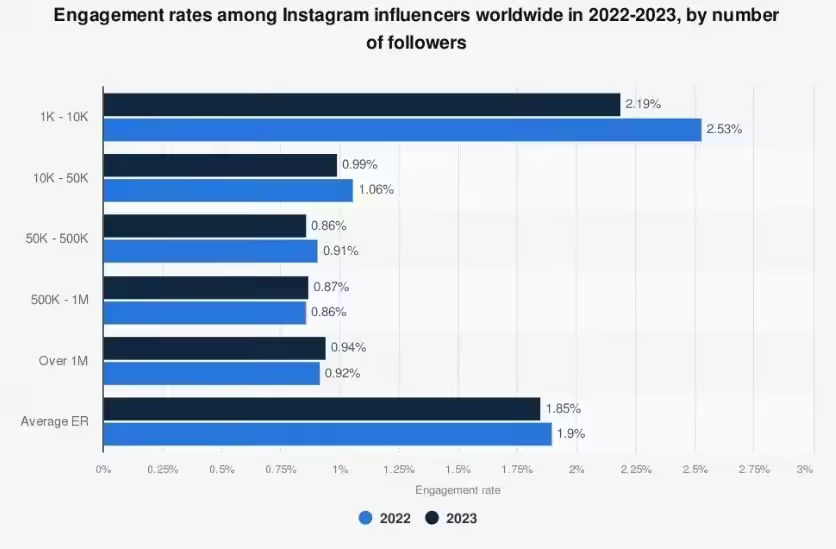
Nano influencers might seem too small to matter, but you shouldn’t cross them out completely. The rate of their followers’ engagement can be pretty high because their recommendations can feel closer to word of mouth than conventional advertising.
Micro-Influencers
Next up, with around 10,000 to 100,000 followers, are micro influencers. Micro and nano influencers are similar in the sense that they tend to have a tight-knit community of followers who consistently engage with their content. However, you have a wider base to reach with a micro influencer.
Micro influencers are often especially useful when a brand needs a credible product demonstration, review, tutorial, or recommendation within a specific niche. Research into micro-influencer marketing links perceived credibility, transparency, and close follower relationships with purchase intention. That makes micro influencers ideal for influencer campaigns that need action as well as awareness. For a practical sourcing process, see our guide on how to find micro influencers for your brand.
Mid-Tier Influencers
Then comes the mid-tier influencer, someone boasting a following between 100,000 and 500,000. Even though their popularity varies, followers of mid-tier influencers have similar expectations from them.
They’re usually knowledgeable about their niche, authentic in their presentation, and more engaged than influencers with a higher follower count. Their combination of audience size and polished influencer content can work well for regional product launches, seasonal campaigns, and brands that need both visibility and a credible audience connection.
Macro Influencers
Macro influencers generally have between 500,000 and 1,000,000 followers. In the realm of social media, they’re all considered big deals.
Keep in mind that some of these influencers happen upon their immense following after a bout of virality. In these cases, you should wait out your collaboration with them until they prove their staying power unless your brand has something to do with what made them viral.
Macro influencers fit influencer marketing campaigns that require large-scale reach, professional production, and quick visibility. They can be especially effective when a brand has broad audience appeal, enough media budget to amplify the influencer’s content, and a campaign goal centered on awareness.
Celebrities/Mega Influencers
Unlike in the past, when traditional celebrities were the only true mega influencers, many social media influencers nowadays easily cross the 1,000,000-follower threshold.
These examples are aspirational to most people who’d like a career in content creation and cultivating a social media presence. However, mega influencers are still rare to come by, and their collaborations are usually with high-end brands, or at least those willing to pay their steep fees.
Mega influencers can place a brand inside major cultural moments and generate mass awareness quickly. Their large followings are usually broad, though, so brands should still verify audience demographics, location, sentiment, and category relevance before investing.
Influencer Niches: According to Interests
The internet is an excellent place for like-minded people to gather and create organic communities centered around the same interest. This, of course, leads aspiring content creators to focus their efforts on a single niche they become “experts” in or a couple of closely related interests that don’t divert their audience’s attention too much.
Here are some of the many niches different types of influencers occupy:
Fashion Influencers
Since social media platforms are highly visual by nature, fashion quickly became a hot topic among users of all age ranges. From selfies using the hashtag #OOTD (outfit of the day) to entire magazine editorials or haute couture runway looks posted on Instagram, any fashion enthusiast can get their fix from the influencers they follow.
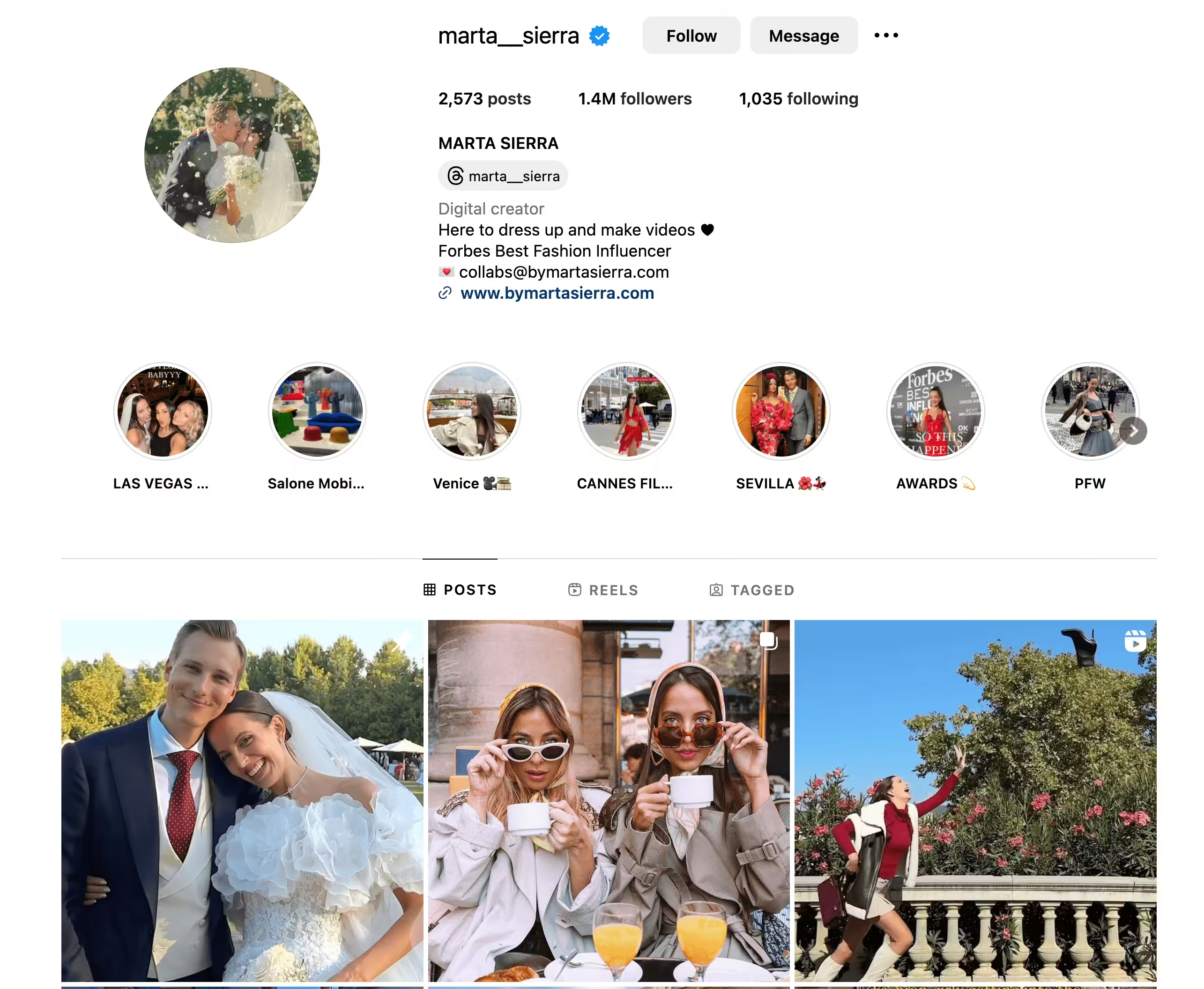
Fashion influencers also help clothing and accessory trends pick up traction, making the “fashion cycle” shorter than ever nowadays.
Potential Brand Collaborations
- Fashion brands
- Travel agencies
- Fragrance brands
- Jewelry brands
Beauty Influencers
Similarly to fashion, beauty has a prominent following among people who want to stay on trend with makeup and skincare.
Recently, a move toward “natural-looking” beauty led influencers to shift their focus from makeup toward permanent and semi-permanent procedures, like plastic surgery and injectables.
The beauty industry also includes educational reviewers, makeup artists, dermatologists, aestheticians, hairstylists, and ingredient-focused creators, so brands should match the brief to the creator’s actual expertise.
Potential Brand Collaborations
- Makeup brands
- Skincare brands
- Dermatology clinics
- Plastic surgeons
Lifestyle Influencers
You’ve probably heard the phrase “famous for being famous” thrown around in a derogatory manner, but the truth is that these creators are more prominent than ever. People crave the escapism of living vicariously through the rich and famous, and jet-setting, beautiful influencers are no exception.
Potential Brand Collaborations
- Travel agencies
- Luxury brands
- Clothing brands
Health & Wellness Influencers
There was a surge of interest directed toward holistic health solutions and away from institutional medical authority right after the worst of the COVID-19 pandemic was over. Most influencers touting these methods recommend preventive measures and a natural approach to wellness.
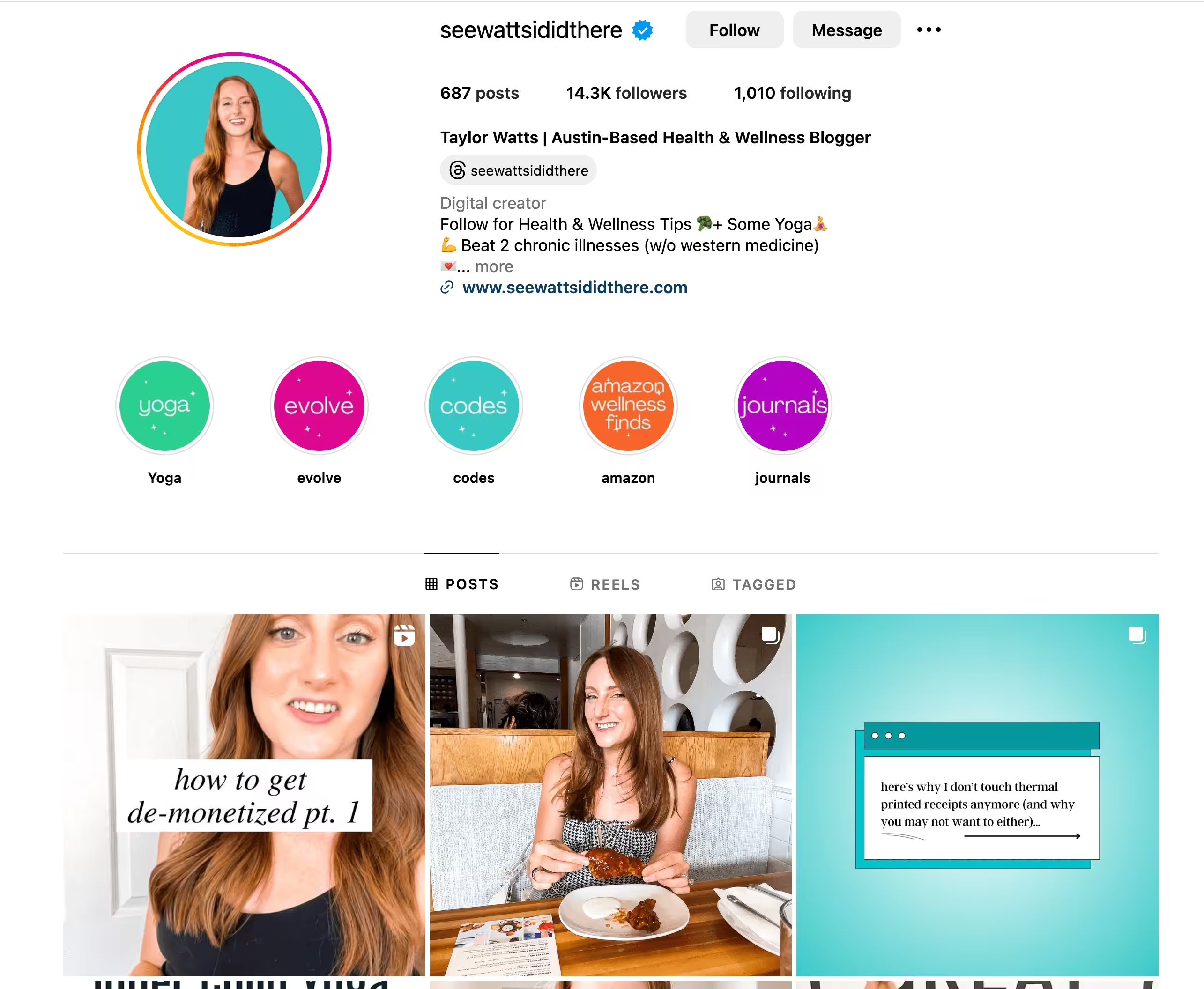
Brands in the health and wellness space should pay particular attention to qualifications, the evidence behind product claims, and the regulations that apply in each market. A large audience does not make medical or nutritional advice reliable.
Potential Brand Collaborations
- Natural supplement manufacturers
- Body care brands
- Eco-friendly clothing brands
- Educational courses like accelerated LVN to BSN programs
Fitness Influencers
Fitness culture had its heyday in the early 2010s when you couldn’t escape gym selfies of extremely toned bodies flexed and posed in a statuesque way. Nowadays, die-hard fitness fans still have a strong community following their favorite bulked-up influencers.
Potential Brand Collaborations
- Athletic wear brands
- Workout gear brands
- Supplement manufacturers
Sports Influencers
Not to be confused with celebrity athletes, sports influencers could be amateurs who love a specific sport and practice it regularly. They could also just be sports fans who always watch sporting events, lending their opinions and making a following in the process.
Potential Brand Collaborations
- Sports gear brands
- Energy food and drink brands
- Betting websites, where legal and appropriate
Gaming Influencers
Streaming platforms like Twitch and Kick have created a new type of immensely popular mega influencer: the gaming influencer. These influencers stream for hours on end and usually have hundreds of thousands, if not millions, of followers watching their gaming sessions.
Many of them move on to create other types of content, especially since long hours of gameplay make for a great opportunity to chat with one’s followers about other subjects, too.
Potential Brand Collaborations
- Energy food and drink brands
- Game developers
- Electronics manufacturers
- Gaming gear brands
Cooking & Food Influencers
Food is one of the most unifying types of content on the internet because, well, everyone has to eat. This encourages people to create special corners where they share recipes, how-tos, and eating content with their followers.
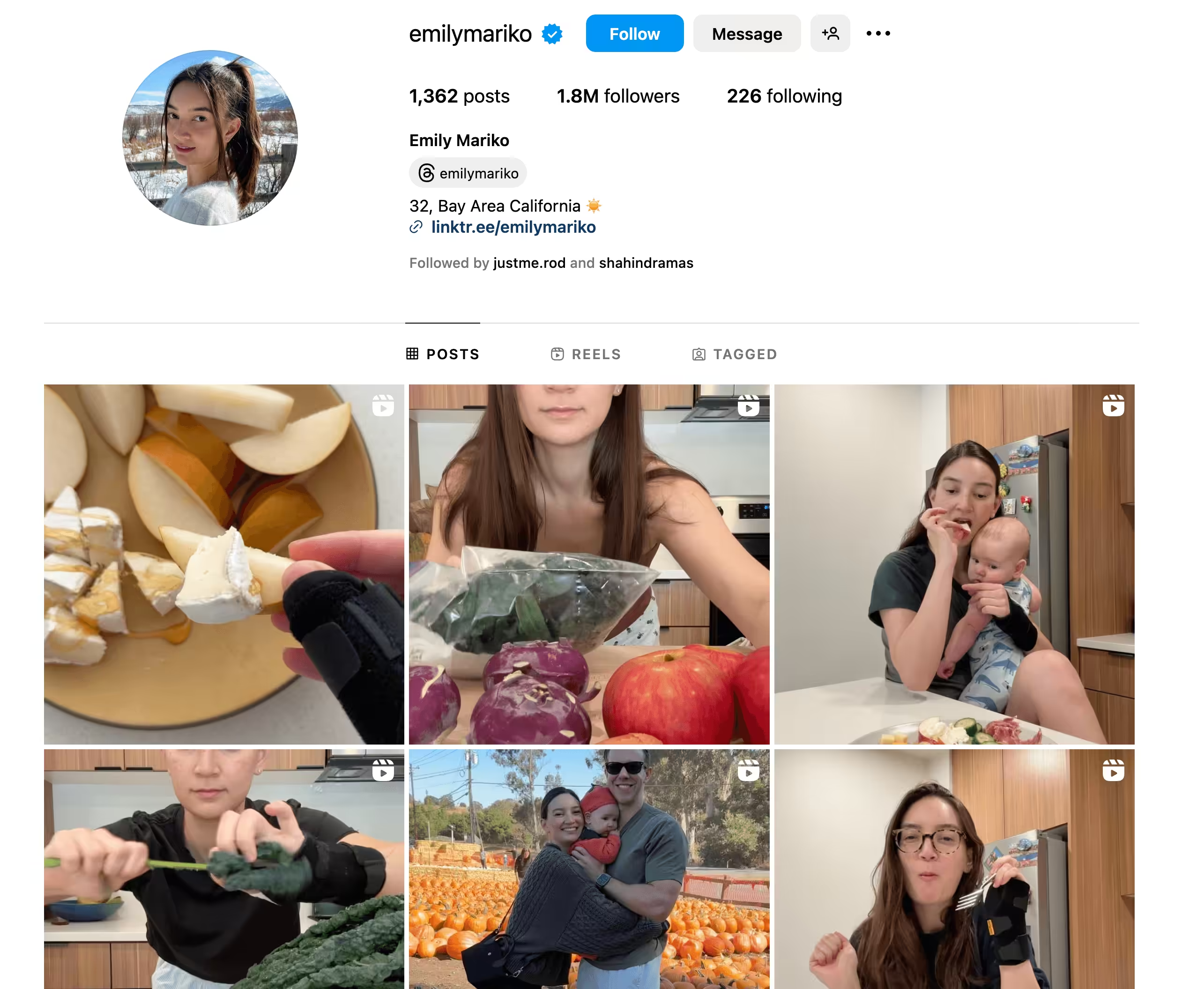
Cooking and food content isn’t without its detractors, though. We’ve seen a rise of bizarre recipes on TikTok that look more like stunts than actual meals, as well as the ever-controversial “mukbang” content that sometimes encourages overconsumption.
Content related to food is so wide-reaching that it can be categorized into sub-niches, too. But for the most part, it remains a pretty solid opportunity for any aspiring content creator.
Potential Brand Collaborations
- Food brands
- Beverage brands
- Restaurants
- Kitchen appliance manufacturers
Home Renovation Influencers
Unlike in the past, you don’t have to be glued to HGTV to view the most satisfying home renovation content out there. Many home flippers-turned-influencers document their flips and create a following in the process.
Potential Brand Collaborations
- Hardware brands
- Furniture manufacturers
- Lawn care companies
Pet Influencers
Do you know all the accounts posting cute videos of super cute, super smart pets responding to their owners or doing general animal shenanigans? Well, as much as we’d like to believe they’re run by the pets’ owners, or the pets themselves, most of them are not.
They could very well be run by an influencer marketing agency that handles all the dealings with brand collaborations and schedules postings, but that’s not entirely a bad thing. This arrangement usually leaves the owners to enjoy their pets becoming internet stars without having to be their managers, too.
Potential Brand Collaborations
- Pet food
- Pet toys and supplies
- Veterinary clinics
Travel Influencers
Travel influencers turn destinations, hotels, transportation, food, and local experiences into practical or aspirational content. Some focus on luxury travel, while others build a personal brand around budget itineraries, solo travel, family trips, outdoor adventures, or a specific region.
Travel influencer partnerships work best when the creator’s audience geography and travel style match the destination or hospitality product. A beautiful video can generate reach, but itinerary saves, booking clicks, destination questions, and audience location may be more useful indicators of genuine travel intent.
Potential Brand Collaborations
- Hotels and resorts
- Tourism boards
- Airlines and transportation providers
- Travel technology and luggage brands
Parenting & Family Influencers
Parenting influencers create relatable content around pregnancy, childcare, education, family routines, food, travel, and household decisions. Their followers often return for actionable advice and product recommendations that respond to a specific stage of family life.
Because this influencer category may feature children, brands should establish clear safeguarding standards, usage rights, age-appropriate messaging, and parental consent before content is created or repurposed.
Potential Brand Collaborations
- Baby and children’s brands
- Family travel providers
- Educational products
- Food and household brands
Tech Influencers
These influencers explain devices, software, apps, artificial intelligence tools, gaming hardware, and other technical products through reviews, comparisons, demonstrations, and educational content. Their value often comes from making a complex purchase easier to understand.
For tech brands, niche expertise and the quality of the creator’s testing process can matter more than raw reach. A specialist with loyal followers may drive more qualified consideration than a broad lifestyle creator with a much larger audience.
Potential Brand Collaborations
- Consumer electronics brands
- SaaS companies
- App developers
- Telecommunications providers
Finance Influencers
Finance influencers, sometimes called finfluencers, cover topics such as budgeting, saving, investing, tax, entrepreneurship, insurance, and financial products. They can make difficult subjects accessible, but this is also a high-trust, highly regulated niche.
Finance brands should review a creator’s qualifications, previous claims, audience location, disclaimers, and local advertising requirements before entering brand partnerships. Relatable content should never come at the expense of accuracy or risk disclosure.
Potential Brand Collaborations
- Financial education platforms
- Banks and payment companies
- Accounting software
- Regulated investment or insurance providers
Pop Culture & Entertainment Influencers
Pop culture influencers cover film, television, music, celebrity news, books, online trends, and fandoms. Their content can move quickly and is often shaped by releases, live events, platform trends, and cultural moments.
These creators can be valuable for entertainment launches and timely influencer campaigns, especially when the brand gives them enough creative freedom to respond in the voice their audience already recognizes.
Potential Brand Collaborations
- Streaming services
- Entertainment studios
- Publishers and event organizers
- Consumer brands tied to relevant releases and events
Specialist Influencers
Professionals of all kinds have started posting more about their work, garnering the attention of fellow professionals and regular people alike.
If you were ever curious about what a day at work for a physicist, dentist, lawn-care specialist, or even fast-food employee is like, you can find it all on social media. In professions that require extensive study or fieldwork, you can expect the higher-tier influencers to be considered KOLs, or key opinion leaders, within the field.
These opinion leaders often create educational content for a more defined audience. Their authority, subject-matter fit, and audience trust can make them especially useful for B2B, healthcare, science, finance, and technical products, even when their following is modest.
Potential Brand Collaborations
- Any brand or manufacturer relevant to their field
Social & Political Commentary Influencers
The whole world is experiencing a shift in political and cultural leanings, and many people are looking for voices that mirror their beliefs and values amidst the indecision. Politicians, celebrities, and even lay people can have a huge impact on the culture by participating in ongoing social and political commentary, with specific voices gaining large followers.
The issue with this type of content is how polarizing it is. It leads to heated debates in comment sections that can cause unrest if they are applied to real life.
Potential Brand Collaborations
- Open, with careful ethical and brand-safety review
How to Choose the Right Influencers for Your Brand
Finding the right influencers begins with the campaign objective. Follower count matters, but it should sit beside category fit, audience connection, content quality, credibility, and measurable past performance in your influencer marketing strategy.
Match the Influencer Tier to the Campaign Goal
For mass awareness, high-profile product launches, or major brand moments, macro and mega influencers can create reach quickly. For conversion-focused influencer campaigns, local activations, affiliate campaigns, and product education, micro and nano influencers often give brands more precise access to an interested target audience.
Mid tier influencers can sit between these two approaches. They offer enough scale to build visibility while often retaining a clearer content niche and more engaged audiences than creators with much larger followings.
A strong influencer marketing strategy may combine tiers. A campaign can use one macro creator to introduce the message, several mid-tier influencers to build repetition, and a larger group of nano and micro influencers to create social proof, relatable content, and conversion-focused recommendations.
Look Beyond How Many Followers a Creator Has
Follower count influencers can tell you the potential size of an audience, but it does not tell you how many people care, whether the followers are real, or whether they match your target audience. Review recent reach, average views, saves, shares, meaningful comments, audience geography, age, interests, and past sponsored content.
Engagement rates also need context. A smaller creator may have a higher percentage of engagement, while a larger creator may still deliver a greater total number of relevant interactions. Compare creators within the same platform, influencer tier, content format, and niche instead of applying one benchmark to everyone.
Check Niche Alignment, Brand Values, and Brand Messaging
The influencer’s content should make sense beside the product before a sponsorship is introduced. Look at their usual content themes, tone, visual style, values, past brand partnerships, and the subjects that generate the strongest audience response.
The best influencer partnerships feel consistent with the creator’s personal brand and the company’s brand values. If a collaboration requires the creator to abandon their normal voice or explain why the product belongs on their page, the match is probably weak.
Match the Creator to the Right Content Format
Different social media platforms and content formats serve different purposes.
Short form video content can demonstrate a product quickly, respond to trends, and earn wide discovery. Long-form video can support reviews, comparisons, and tutorials. Static posts can showcase fashion, food, travel, and design. Stories can deliver timely links, reminders, polls, and limited offers. Livestreams can support real-time demonstrations and audience questions.
When reviewing Instagram influencers, compare their Reels, Stories, and static posts separately because each format can reach and persuade audiences differently.
Choose a content creator because they are already strong in the format the campaign requires. A beautiful Instagram feed does not automatically translate into confident on-camera video, and a popular streamer may be far more persuasive live than in a tightly scripted advertisement.
Review Audience and Content Quality Manually
Tools can help screen audience data, follower growth, and suspicious engagement patterns, but your own research still matters.
Read the comments. Watch several videos from beginning to end. Check how the creator handles brand messaging and whether sponsored posts perform naturally alongside organic content. Review more than one piece of creator content so an unusually strong or weak post does not distort the comparison. Compare average engagement rates over a meaningful period rather than using one viral post.
Look for an engaged audience that asks questions, shares experiences, and responds to the subject of the content. Repeated generic comments, sudden follower spikes, inconsistent views, or an audience from markets the creator does not appear to serve may require closer investigation.
Test, Measure, and Build Long-Term Influencer Partnerships
If a creator looks promising, begin with a clear test brief and success metric. Measure outcomes that match the goal, such as qualified reach for brand awareness campaigns, saves on tutorials, clicks and sales for affiliate activity, or usable assets for a user generated content campaign.
Then turn proven creators into longer influencer partnerships. Repeated collaborations help loyal followers understand that the relationship is genuine, give creators more product knowledge, and let both sides improve the work using actual campaign data.
Types of Influencer Content and Campaign Roles
Follower size and niche explain who the influencer is. Their campaign role explains what the brand needs them to do.
Reach creators introduce the brand to a large target audience. These are often mid-tier, macro, or mega influencers used for launches, seasonal activity, and wide awareness.
Community creators are usually nano and micro influencers with a specific niche, location, or identity. They are useful for community trust, product feedback, local relevance, and targeted campaigns.
Expert creators and opinion leaders make complex subjects easier to understand through reviews, tutorials, analysis, and actionable advice. This role is common among technology creators, finance influencers, wellness creators, and professional specialists.
UGC creators produce user generated content for a brand to publish or advertise through its own channels. They do not always need a large following because the primary value is the content itself. Usage rights, paid media permissions, editing rights, territory, and duration should be agreed before production.
Performance creators use trackable links, codes, storefronts, or affiliate programs to drive measurable action. These creators may be paid by commission, a flat fee, or a hybrid of both.
Brand ambassadors work with a company repeatedly and develop a longer association with its products. The relationship can include ongoing content, event participation, product access, affiliate commission, and exclusivity.
The same influencer can play more than one role. For example, a micro influencer may create a product tutorial, license the content for ads, and earn commission through an affiliate link. Define the role in the brief so the deliverables, payment model, usage rights, and campaign KPIs are clear.
How Can Your Brand Collaborate with Different Types of Influencers?
There are several types of relationships your business can have with influencers, including:
Sponsorships
When you sponsor a specific piece of content created by an influencer, you usually collaborate on the social media campaign, and your brand name appears next to theirs. This is a simple transactional relationship that usually lasts for a limited time.
Product Gifting and Seeding
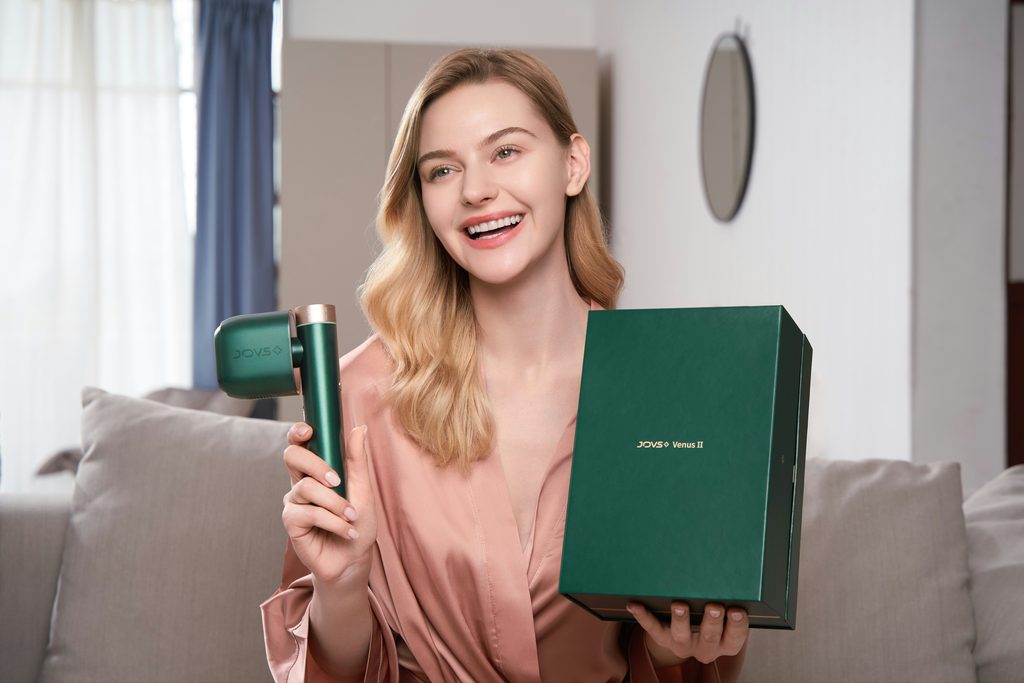
Product seeding gives creators the opportunity to try a product without guaranteeing a post. It can work well with micro and nano influencers when the product has strong relevance to their usual content and the brand is comfortable giving creators genuine freedom over whether and how they discuss it.
Gifting should never be presented as an obligation-free way to secure advertising. If content is required, the deliverables, compensation, deadlines, and disclosure expectations belong in a written agreement.
User-Generated Content
In a UGC partnership, the creator makes content for the brand’s own social media, website, or paid advertising. The creator’s follower count may be less important than their production skill, on-camera delivery, and ability to create authentic content that fits the brand messaging.
Brands should distinguish the creation fee from usage rights. Using the influencer’s content in ads, editing it into cutdowns, or keeping it live for an extended period may require separate permission and compensation. See our guide to influencer whitelisting and usage rights for a more detailed breakdown.
Affiliate Programs
An affiliate program involves giving the influencer a share of the earnings you make from purchases and sign-ups your brand receives through them. Setting up an affiliate marketing program is a great idea if you get a lot of traffic this way.
Affiliate partnerships are particularly useful when the brand wants influencer marketing efforts to connect directly to sales. The creator can receive a unique link or code, while the brand measures clicks, conversion rate, revenue, and customer value alongside content performance.
Brand Ambassadorships
When an influencer is your brand ambassador, they usually already love your brand and promote it regularly. Some ambassadors begin as genuine advocates, while formal ambassador programs commonly include products, experiences, fees, commissions, or a combination of these.
The strongest brand ambassadors have clear category fit, a consistent relationship with the product, and the freedom to communicate in their usual voice. Long-term brand partnerships can also make campaign performance easier to improve because the creator and brand gather data across several pieces of content.
Advocacy
If you work for a not-for-profit organization, especially one concerned with environmental and social issues, you might want to reach out to concerned influencers and celebrities. They often have a passionate following of people looking to make a difference, and they might be interested in advocating for your cause.
Events and Experiential Campaigns
Brands can invite influencers to launches, trips, pop-ups, workshops, and cultural events where the experience becomes the basis for the content. These influencer marketing campaigns can create multiple formats at once, including short form video content, stories, live coverage, interviews, and recap posts.
The guest list should reflect the campaign’s target audience and content needs, rather than simply prioritizing the largest accounts. A mix of lifestyle creators, specialist influencers, and local voices can create broader and more credible coverage.
A Note on Disclosure
Paid posts, gifts, affiliate commission, free travel, and other material relationships should be disclosed clearly. The FTC’s guidance for influencers and brands states that disclosures should be clear and conspicuous, and Meta defines branded content as creator or publisher content influenced by a business partner in exchange for value. Brands should also check the rules that apply in the creator’s and audience’s markets.
Want to Build an Influencer Marketing Campaign? We Can Help!
With a proven track record of successful marketing campaigns, Vivian Agency can help your business identify the right influencers, define the right campaign structure, and draw up a plan that works.
Schedule a meeting with one of our expert team members, or contact us for more information.
Frequently Asked Questions
What are the main types of influencers?
The five main types of influencers by follower count are nano influencers, micro influencers, mid-tier influencers, macro influencers, and mega influencers. Influencers can also be grouped by niche, such as fashion, beauty, lifestyle, food, gaming, travel, parenting, tech, finance, wellness, or pop culture.
How many followers does an influencer need?
There is no universal minimum. A nano influencer often has around 1,000 to 10,000 followers, while some creators can influence a highly specific community with fewer. What matters is whether the influencer has a real audience connection and can affect awareness, consideration, or action within a relevant target audience.
What is the difference between nano and micro influencers?
Nano influencers usually have 1,000 to 10,000 followers, while micro influencers commonly have 10,000 to 100,000. An Instagram nano influencer may sit at the lower end of that range and still influence a highly specific local or interest-based community. Nano creators tend to offer a more personal relationship with followers. Micro influencers provide wider reach while often retaining strong niche relevance and engagement rates.
Are micro influencers better than macro influencers?
It depends on the campaign. Micro influencers are often well suited to specific niche audiences, product education, affiliate programs, and targeted campaigns. Macro influencers fit campaigns that need broad visibility, polished production, and faster large-scale awareness. Many brands combine both influencer tiers.
Which type of influencer is best for brand awareness campaigns?
Mid-tier, macro, and mega influencers are common choices for brand awareness campaigns because their large followings can generate reach quickly. A network of nano and micro influencers can also build awareness through repeated recommendations across several engaged communities. The right approach depends on budget, audience composition, geography, and the level of niche precision required.
Is follower count or engagement rate more important?
Neither metric should be used alone. Follower count estimates potential reach, while engagement rates help show how actively people respond. Brands should also consider average views, saves, shares, comment quality, audience data, past conversions, category relevance, and the quality of the influencer’s content.
How should sponsored influencer content be disclosed?
The commercial relationship should be easy for the audience to notice and understand. Payment, free products, affiliate commission, travel, or another material benefit may require disclosure. Brands and influencers should follow the laws in the relevant markets as well as the disclosure tools and branded-content policies of each social media platform.