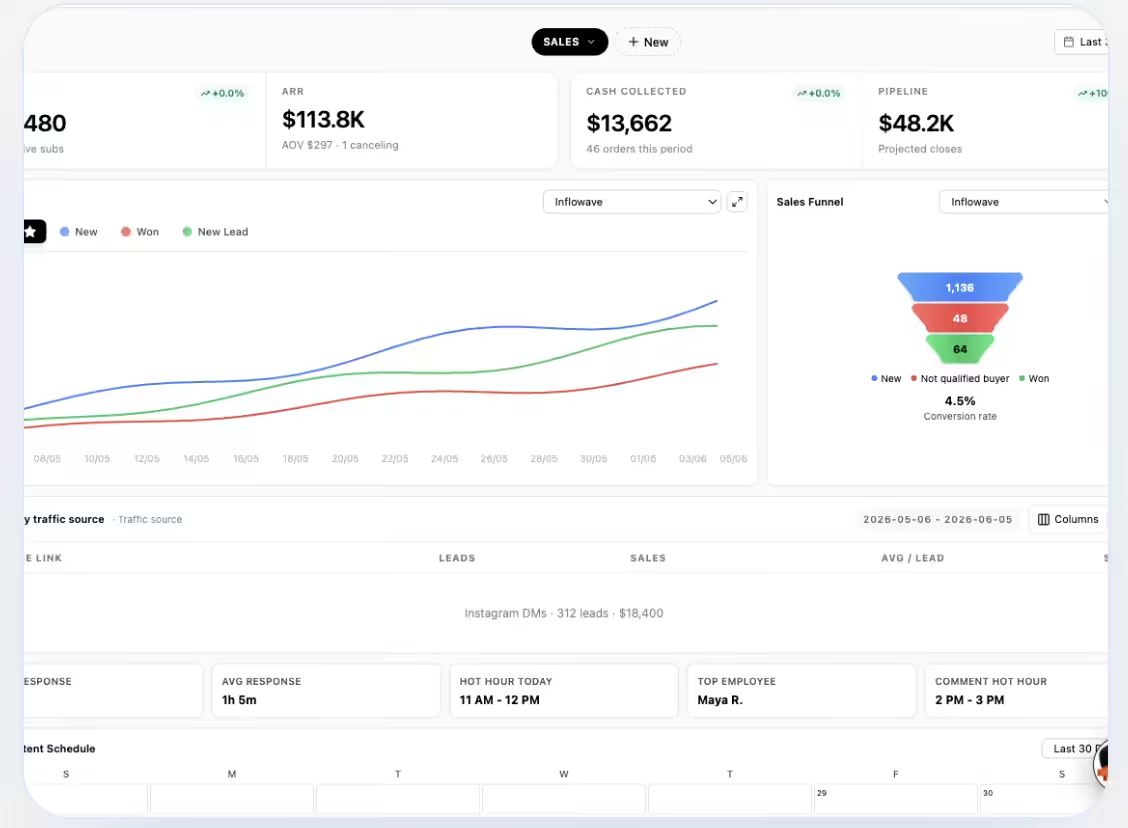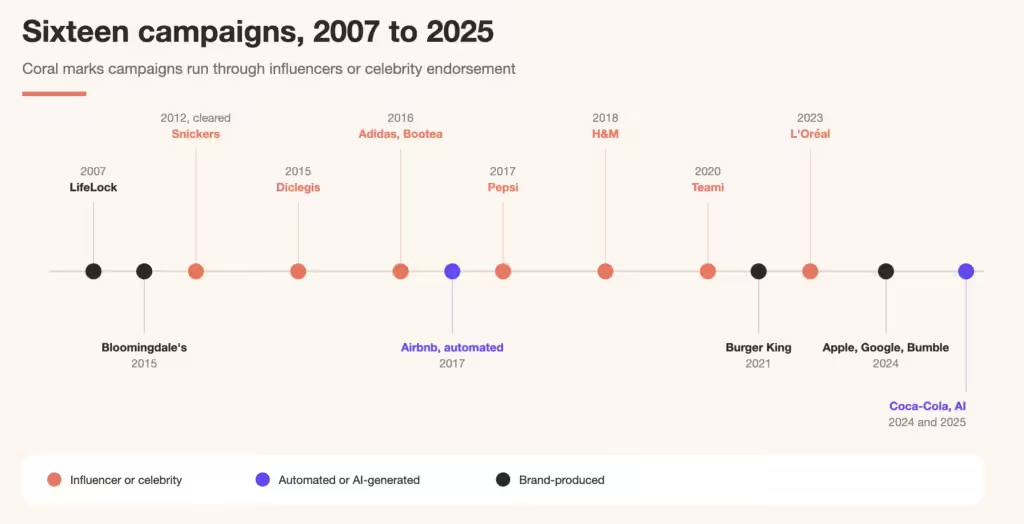

Sending free product to creators sounds simple until you try to do it at volume. Someone has to find the creators, chase their shipping addresses, place the orders, generate discount codes, check whether anyone actually posted, and then figure out whether any of it drove sales. Run that out of a spreadsheet and a shared inbox and you hit a wall at around 30 creators a month.
That’s why product seeding has moved from a side project to a core part of most influencer marketing programs. Gifting is the cheapest way to start a creator relationship, it produces authentic content you can repurpose into ads, and the best-performing gifted creators become your future affiliates and paid partners. The catch is the operations behind it, and that’s exactly what product seeding and influencer gifting platforms were built to handle.
Below are the platforms brands rely on to run gifting at scale in 2026, what each one does well, who it’s built for, and a comparison table so you can see how they stack up at a glance.
Table of Contents
Why a Dedicated Gifting Platform Actually Matters
Most influencer tools can technically “do” gifting. The difference shows up in the details. A tool that only exports creator lists still leaves you copying addresses into Shopify by hand. One without per-creator discount codes can’t tell you which gifted creator drove sales. And one without automated follow-ups means your team spends half its week sending “Hey, did the package arrive?” emails.
A proper seeding platform connects four jobs in one flow: finding the right creators, getting product into their hands, tracking the content that comes back, and tying that content to revenue. If you’re still at the first step, our guide on how to find micro influencers for your brand covers where to start, since micro creators are where gifting tends to deliver the best return. If you’re ready to scale, here’s where to look.
8 Best Product Seeding & Influencer Gifting Platforms
1. Influencer Hero
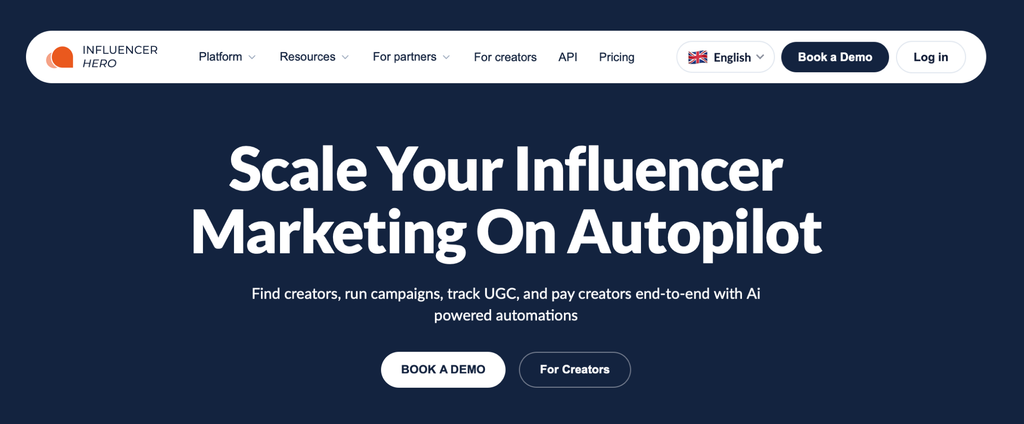
Influencer Hero is the best product seeding and influencer gifting platform for brands that want to run gifting as a repeatable system rather than a monthly scramble. It’s an all-in-one influencer marketing platform, and gifting sits at the center of how it’s designed: most programs on the platform start with a product send and grow into affiliate or paid partnerships from there.
Where Influencer Hero pulls ahead is the logistics. Creators can pick their own products and submit shipping details through a branded application page, orders sync straight into Shopify, and every creator gets a unique discount code so sales are attributed to the person who drove them, not to the campaign as a whole. Automated email flows handle outreach, address collection, shipping updates, and the follow-ups that turn a gifted package into a post. Content is tracked automatically, so you can see who posted without checking profiles one by one.
It also scales well for complex brands. With 65+ integrations, an MCP that lets teams run large-scale actions from AI assistants like Claude or ChatGPT (not just pull reports), and 24/7 human account management for brands on managed plans, it’s built for teams seeding hundreds or thousands of creators a month.
Best for: D2C brands and agencies that want gifting, affiliate, and creator management in one platform, from the first product send to long-term partnerships.
2. GRIN
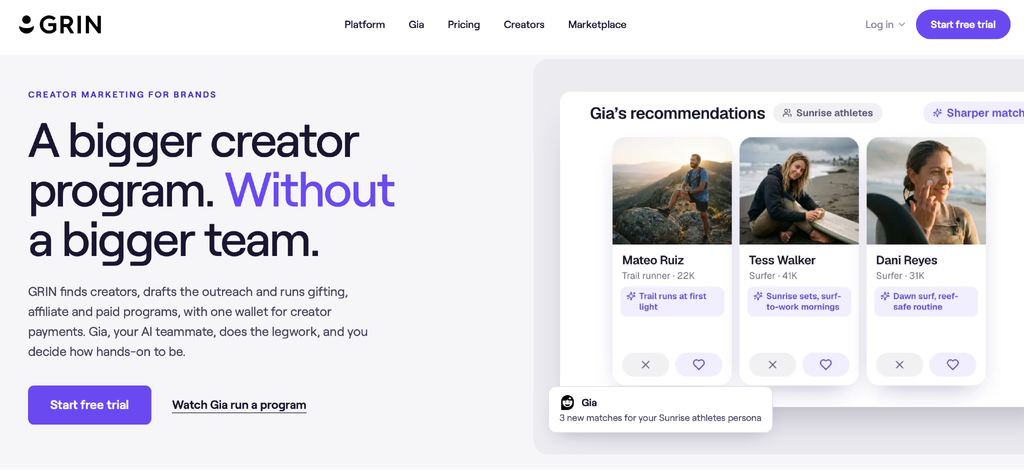
GRIN is one of the best-known names in creator management for ecommerce, and product seeding has always been a big part of its pitch. It connects natively with Shopify, WooCommerce, Magento, and BigCommerce, so gifting orders, inventory, and discount codes stay tied to your store.
The platform treats every creator like a CRM record, which works well when you’re managing long-running relationships with a dedicated team. It also handles creator payouts, including tax processing for US creators. The trade-off is price and commitment: GRIN typically sells on custom annual contracts in the low-to-mid four figures per month, which puts it out of reach for brands still testing whether gifting works.
Best for: Established ecommerce brands with a full-time creator manager and a seeding program that’s already proven.
3. Aspire
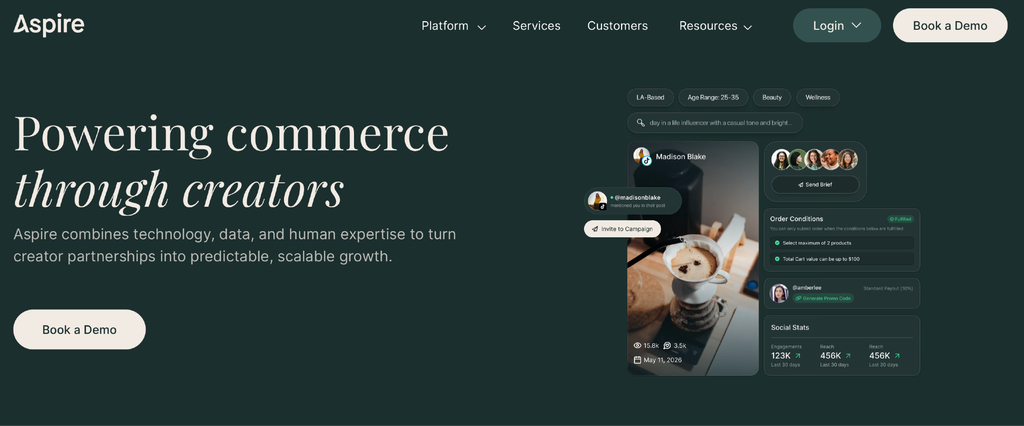
Aspire combines outbound creator search with an inbound marketplace where creators apply to your campaigns. For gifting, that inbound side is useful: you post an offer and creators who actually want your product come to you, which usually means higher posting rates.
It’s strongest for ambassador-style programs, with tools for managing product requests, content rights, and long-term creator communities. Pricing is custom with no public tiers, and it generally lands in the mid-market to enterprise range.
Best for: Mid-size and larger brands building ambassador communities with a steady flow of inbound creator applications.
4. Statusphere
Statusphere works differently from most of this list. It’s a managed product seeding service with software around it, focused on micro creators and on always-on content built for TikTok and Instagram search. It even runs its own fulfillment, so you send inventory in bulk and they handle the individual shipments.
That hands-off model comes at a price: plans start at around $3,500 per month and run on a credit system. It also stays inside its own creator network, so it won’t cover outreach to creators outside it, affiliate programs, or paid deals with bigger creators. Most brands that use it run a second tool alongside it.
Best for: Brands that want micro-creator seeding fully outsourced and don’t need to manage individual relationships.
5. Insense
Insense started as a UGC marketplace and has grown into a seeding option as well. Brands post a product seeding campaign, creators from its vetted marketplace apply, and Insense syncs with Shopify for bulk shipping. It offers both a self-serve platform and a fully managed service.
Its sweet spot is content production: if the main goal of your gifting is a library of creator videos to run as ads, Insense handles usage rights and whitelisting well. It’s less suited to discovering creators outside its own marketplace.
Best for: Brands using gifting mainly to source UGC and creator ads for paid social.
6. Upfluence

Upfluence covers search across a wide range of channels and leans heavily into ecommerce attribution. Its Shopify and WooCommerce integrations let you send gifted product and issue affiliate codes from the same place, and it can scan your existing customer list to find shoppers who already have an audience.
That customer-to-creator angle is useful for seeding, since people who already bought from you are far more likely to post. Pricing is custom and typically sold on annual plans.
Best for: Ecommerce brands that want to turn existing customers into gifted creators and affiliates.
7. Stack Influence
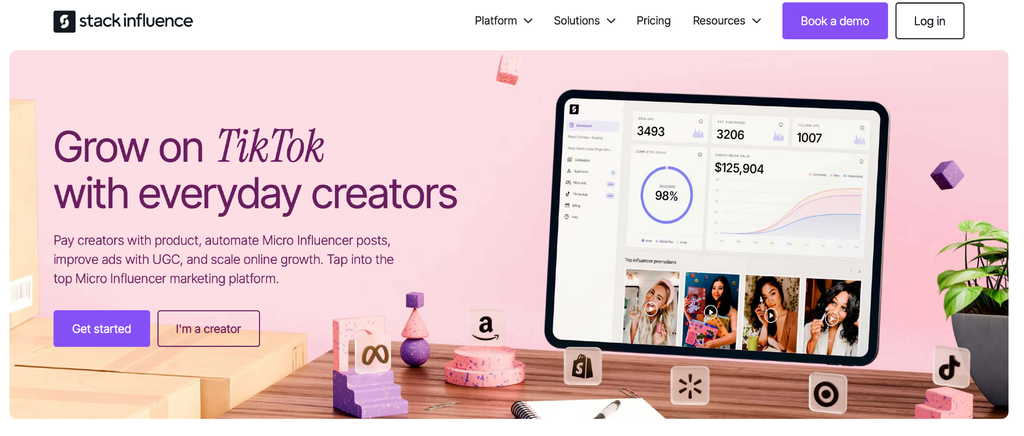
Stack Influence focuses on micro-influencer seeding with a product-only model: creators are rewarded with your product rather than cash, and brands pay when a creator actually posts. It’s popular with Amazon sellers who use seeding to build reviews, ranking, and social proof.
The model keeps costs predictable, but you trade away control over who you work with and depth of relationship. It’s a volume play rather than a partnership-building tool.
Best for: Amazon and ecommerce sellers who want pay-per-post micro-creator seeding at volume.
8. Shopify Collabs
Shopify Collabs is built into the Shopify admin and covers the basics: finding creators, sending gifts, issuing discount codes, tracking affiliate sales, and paying commissions. Because it runs inside your store, there’s no extra monthly software fee.
It’s a sensible way to test gifting, but it’s light on discovery depth, outreach automation, and reporting. Brands usually move to a dedicated platform once they’re seeding more than a few dozen creators a month. If your store runs on Shopify and you want to connect gifting to a proper commission structure, our Shopify affiliate marketing team can help you set that up.
Best for: Small Shopify brands running their first gifting program.
Side-by-Side Comparison: Product Seeding Platforms at a Glance
| Platform | Gifting Model | Shopify Sync | Best For |
| Influencer Hero | Self-serve + managed plans | Yes, auto orders + codes | All-in-one gifting to affiliate |
| GRIN | Self-serve | Yes, native | Established ecommerce brands |
| Aspire | Self-serve + marketplace | Yes | Ambassador communities |
| Statusphere | Managed service | Own fulfillment | Outsourced micro seeding |
| Insense | Marketplace + managed | Yes, bulk shipping | UGC for paid social |
| Upfluence | Self-serve | Yes | Customer-to-creator programs |
| Stack Influence | Product-only, pay per post | Partial | Amazon sellers |
| Shopify Collabs | Self-serve, in Shopify | Native | First gifting program |
Influencer Hero, GRIN, and Upfluence cover the full seeding workflow, from discovery to shipping to sales attribution, without needing extra tools. Statusphere and Stack Influence trade control for convenience, which works if you want seeding run for you. Insense is the pick when content for ads is the main goal, while Aspire suits brands building inbound ambassador communities, and Shopify Collabs is a free starting point you’ll likely outgrow.
How to Choose the Right Gifting Platform for Your Brand
Step 1: Decide How Hands-On You Want to Be
Managed services like Statusphere or Stack Influence run seeding for you but keep the relationships on their side. Software platforms like Influencer Hero or GRIN keep the creators, data, and relationships in your hands, which matters if you want gifted creators to become long-term affiliates.
Step 2: Check How Shipping Actually Works
“Integrates with Shopify” means very different things. Look for platforms where an approved creator triggers a real order automatically, with address collection and tracking built in. Anything that ends with you copying addresses by hand won’t scale.
Step 3: Make Sure Discovery Fits Your Niche
Gifting fails when the product doesn’t match the creator’s content. Test each platform’s search with your actual brief before you buy. Our breakdown of the best influencer search tools goes deeper on what good discovery looks like.
Step 4: Insist on Per-Creator Attribution
A shared campaign code tells you gifting worked overall, not who made it work. Unique codes and links per creator are what let you spot the 10% of creators worth turning into paid partners. Before committing budget, use our influencer ROI calculator to set clear benchmarks, and read our guide on how to tell whether an influencer partnership actually sold anything.
Step 5: Plan for What Comes After the Gift
The real value of seeding is the pipeline it builds. Pick a platform that can move a gifted creator into an affiliate or paid deal without switching tools, so the relationship and the data stay in one place.
Wrap Up
The right gifting platform takes the busywork out of product seeding: no more address spreadsheets, manual orders, or guessing who posted. What it can’t do is decide which creators fit your brand, write a brief they’ll actually follow, or know when a gifted creator is ready for a bigger deal. That’s strategy, and it’s where most seeding programs win or lose.
Want help building a gifting program that turns free product into real revenue? Book a free call with Vivian Agency to talk through your goals and creator strategy.
FAQ
What is product seeding in influencer marketing?
Product seeding is sending free product to creators with no guaranteed obligation to post, in the hope they’ll share it with their audience. It’s essentially influencer gifting done at scale, usually with dozens or hundreds of creators per campaign rather than one-off sends.
What’s the difference between influencer gifting and paid partnerships?
Gifting gives creators product with no fee and no guaranteed deliverables, so content tends to feel more authentic but posting isn’t guaranteed. Paid partnerships include a fee and agreed deliverables. Most brands use gifting to test creators first and reserve paid deals for the ones who perform.
How many creators should I gift to see results?
It depends on your posting rate, but plan for volume. Not every gifted creator will post, so brands typically seed dozens of creators per product launch to get a meaningful amount of content. A good platform lets you track posting rates by creator tier so you can adjust.
Can I track sales from gifted creators?
Yes, if each creator gets a unique discount code or affiliate link. Platforms like Influencer Hero, GRIN, and Upfluence generate these automatically and attribute orders back to the individual creator, so you can see exactly which gifted posts drove revenue.
Do I need a gifting platform if I work with an agency?
Not necessarily. Agencies usually bring their own tools and creator relationships. A platform can still be useful if you want direct visibility into who’s being gifted, or if you plan to run some seeding in-house alongside the agency’s work.