
More than 70% of YouTube viewers say they’ve bought something after seeing a creator recommend it. That explains why brands keep pouring budget into YouTube collaborations. When the right creator talks about your product, your reach and revenue can climb almost overnight.
But YouTube isn’t a “post and pray” channel. A mismatched creator, a forced integration, or a brief that restricts a creator’s voice can tank your campaign. In the worst case, it could damage trust with both the creator’s audience and your own.
The upside, though, is huge when you plan well and choose partners who genuinely move the needle. Read to learn what actually works in YouTube influencer marketing and how to create collaborations that stay evergreen.
Table of Contents
Types of YouTube Influencer Marketing Collaborations
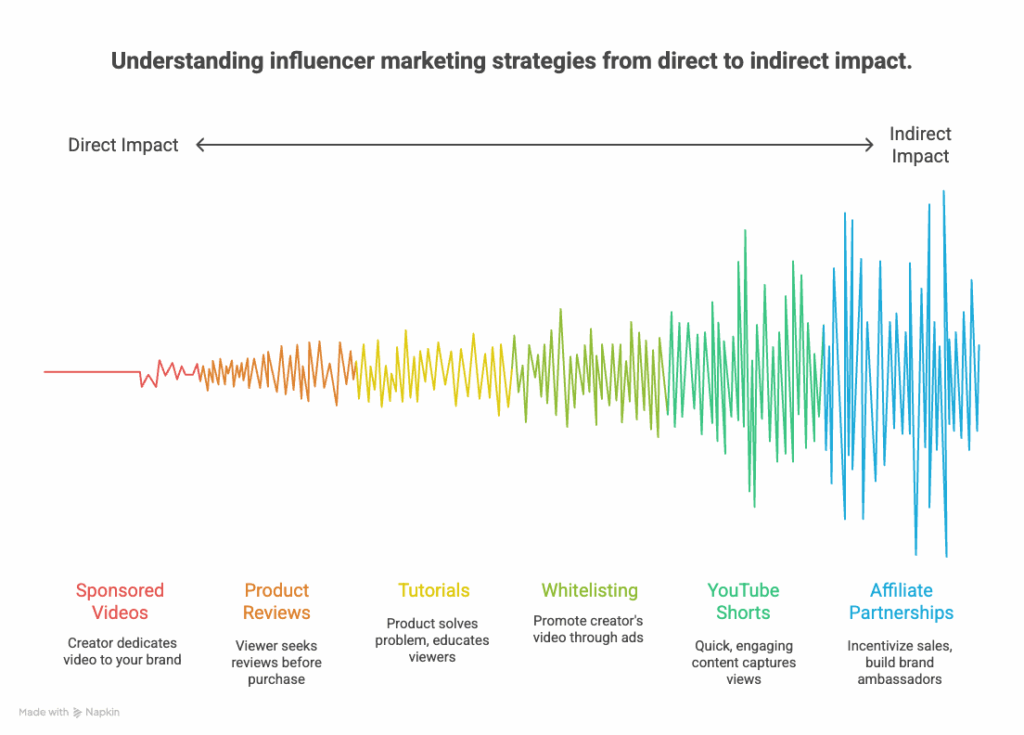
A YouTube collaboration can take many shapes, and the format you choose is just as important as the creator you pick. Here are six ways you can collaborate with creators on YouTube:
- Sponsored videos. This is where a creator dedicates a portion of their video, or the entire piece, to your brand. It can include dedicated reviews or ad segments woven into the creator’s regular content, like using your meal kit in a “what I eat in a week” vlog.
- Product reviews/unboxings. Viewers actually look for these videos when they’re close to making a purchase. These videos talk about the pros and cons of a product and provide the social proof a buyer needs to make a decision. The unboxing also adds a sense of discovery, which makes the endorsement feel fresh and unbiased.
- Tutorials and demo collabs. In these videos, your product is the hero that solves a problem. A creator shows how to use it to get a specific result, which makes the content both a medium of promotion and education. That can make these videos rank on YouTube for years and continuously attract new customers.
- Creator whitelisting/spark ads-style promotion (YT Ads). After a creator publishes an authentic organic video, you gain permission to promote that exact content through your own YouTube Ads manager. This way, you can get more out of high-performing collabs.
- YouTube Shorts. Shorts are designed for discovery. A quick, engaging Short showing your product can capture millions of views if done right. This helps you attract new audiences, target a younger demographic, and create quick, high-impact touchpoints.
- Affiliate partnerships and ambassadors. When you enter an affiliate or brand partnership with a creator, you give them unique affiliate links or codes. These incentivize them to drive sales over the long term. The most successful affiliates often become your brand ambassadors and drive consistent revenue.
How to Find the Right YouTube Creators
Finding a YouTube creator isn’t usually as simple as landing on someone you like and reaching out to them. You need to know how the creator works as a business, what they can do for you, how they’ve helped brands in the past, and whether they could be a good fit for you.
It all comes down to learning how to see a channel the way we do: as a potential business partner. Here’s the framework we use to separate great fits from mere views:
1. Figure Out What You’re Looking for
Before you even type a name into a search bar, you need to know exactly what you’re looking for. That’s how you can find a channel you enjoy and a partner who can drive growth for your business.
Here’s what you need to define first:
- Your primary goal. Are you launching a new product and need mass awareness, focused on driving direct, measurable sales and need conversions, or building long-term authority and need evergreen content? Your goal will dictate the path you take.
- Your ideal viewer. Who are you actually trying to reach? If you’re selling organic meal prep ingredients, you want to look for home cooks who value that specificity.
- Your collaboration style. Do you want to create a dedicated review for your product? Or do you want the creator to talk about it in a segment in their regular videos?
- Your budget. Most YouTube influencer collaborations entail a cost, with YouTubers’ sponsorship rates varying according to their audience size, reach, the type of content they produce, and many other factors. To avoid spending time chasing potential partners outside your price range, it’s best to define how much you can spend on your YouTube influencer marketing upfront.
If you’re unsure how to translate your goals into a creator shortlist, our team at Vivian Agency helps brands build targeting frameworks that convert. You can always share your goals with us, and we’ll help you shape them into a clear creator profile.
2. Create Your Ideal Content Creator Profile
The next thing you want to do to build a successful YouTube influencer marketing collaboration is to create a detailed creator profile. It will keep you from chasing the wrong people, wasting budget, or ending up with a partnership that looks good on paper but falls flat once the video goes live.
Your profile should clearly describe the type of creator who can move your audience. Here’s what it should include:
- Creator audience demographic. This includes age range, location, gender, interests, and buying power. You also want to know specifics, like where a creator’s audience is concentrated (to make specific offers or for shipping).
- Content niche. What does your ideal content creator do? Are they a tech reviewer, beauty educator, or fitness coach?
- Audience size. How large is their audience? Nano/micro (1k to 100k subscribers), mid-tier (100k-500k subscribers), or macro/mega (500k+ subscribers)?
- Content quality and style. A creator’s aesthetic and tone will reflect on your brand, so you want to know exactly the content they create. Is it cinematic, authentic, valuable, or fast-paced and energetic? Can you imagine your product fitting into their existing content format?
- Brand safety. Have they worked with any of your direct competitors? If so, you may want to draft up an exclusivity contract. You also want to be aware of any past controversies or values that conflict with your brand. This is your due diligence.
- Location. You want to know a creator’s location for shipping and order purposes. If you only ship within the US, working with a British influencer might not be the best plan.
- Age. Your creator’s age range will determine their audience range, to an extent. And this will translate to how successful your collaboration will be. For instance, if you’re an alcohol brand, you wouldn’t want to partner with someone under 21.
We build these profiles for every creator campaign we run. If you want a second set of eyes on yours, our team can review it and help refine it before you begin outreach.
3. Set Up Your Vetting Criteria
A creator might look perfect at first glance, but if their audience is unresponsive, inflated, or doesn’t trust them, your campaign won’t deliver anything close to what you paid for.
Here’s what to check before you ever hit “send” on an offer:
- Minimum engagement rate. Views are a vanity metric; engagement is what actually tells you whether a creator is doing well. You can calculate using this formula: likes + comments/views x 100. A good benchmark is above 3.5% for a healthy, active channel.
- Audience authenticity. You’re paying for access to real humans, not bots. Read the creators’ comments. Are they genuine or specific to the video’s content? Or are they generic? The latter may mean inorganic growth.
- Spikes in follower count. A sudden, massive jump in subscribers without a viral video to explain it often points to bought followers.
- Brand fit. Your chosen creator’s content is an extension of your brand for the duration of this collaboration. Do a deep dive on their past content and social media.
4. Find a YouTube Creator
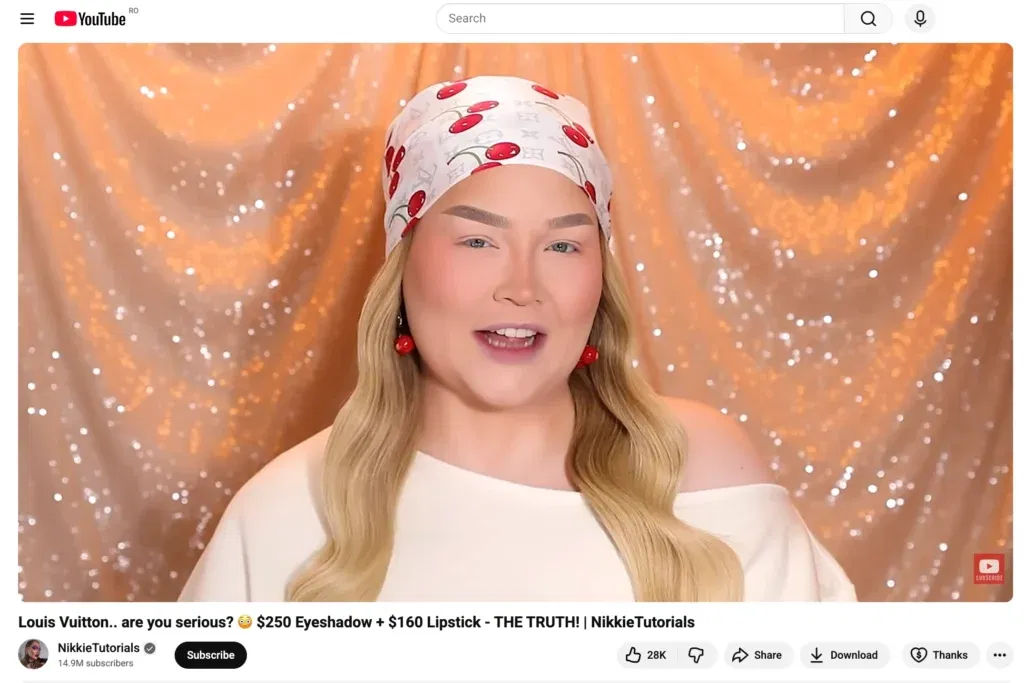
Once you’ve got your ideal creator profile and your vetting criteria down, you want to start building a list of creators who fit the profile you’re looking for. Here are nine ways to do this:
- Use an influence search tool. You can use a tool like Upfluence, Modash, AspirelQ, or Influence.co to quickly find YouTube influencers you could work with. You’ll input your ideal creator profile into the platform’s filters to get hundreds of YouTubers you could contact.
- Search on Google. Just make sure you’re as specific as possible, so say “fitness influencer in Atlanta” instead of “best fitness YouTubers.” You can also click on the “Video” tab and go through videos to find the best influencers.
- Perform a YouTube search. There are five ways to do this. You can use:
- Keyword research, where you search for your product category, competitors, and related topics on YouTube using keywords. You can also use hashtags to find relevant YouTube creators.
- Trending tab. Click the “Trending” tab to find recently popular content that may be relevant for your brand. This won’t really be a good option if you’re looking for niche creators.
- YouTube hashtags. Creators use hashtags in their video descriptions and titles to make their content more discoverable. You could search for specific hashtags to find influencers who might fit your ICP.
- Ad hashtags. Aside from SEO hashtags, you could also search for ad disclosure hashtags like #paidpromotion, #ad, or #sponsored. This could help you find posts specifically tailored to your market.
- Competitor tracking. You could search “competitor brand review,” “unboxing,” or “my experience with X brand” to see who your competitors have worked with. Then find similar creators.
- Ask for referrals. If you’ve successfully worked with a creator before, ask them for recommendations. Influencers know other influencers, and a warm introduction is infinitely more powerful than a cold email.
- Create a brand ambassador program. Create a branded landing page inviting creators to apply to work with you. This will save you the time you’ll spend on finding influencers, and you’ll get pre-qualified creators in your pipeline.
- Find creators on Instagram and TikTok who produce high-quality, vertical videos. These creators often repurpose their content on YouTube to build a long-form audience. You can get in early as they grow.
- Check industry conferences. If you’re selling B2B or niche products, the speaker lists at relevant conferences can be a goldmine. The people on stage may have dedicated YouTube channels where they break down complex topics for their audience.
5. Vet Your Chosen Creator
No matter how much you like a channel, a collaboration is a business partnership. Once you have a list of influencers you want to work with, you want to vet them using the vetting criteria you drew up.
Here’s how you could go about it:
- Watch at least two to three of their recent videos all the way through. Is the production quality acceptable for your brand? Is their presentation style authentic and engaging? How do they integrate products? Does it feel natural or forced?
- Read the comments. Are they genuine, thoughtful, and related to the video content? Or are they generic?
- Analyze audience sentiment. How does their audience react to sponsored content in past videos? Are they supportive?
- Look at their collaboration history. Have they worked with similar brands before? Was the collaboration successful?
- Try to see patterns. Do they only do one-off sponsorships? Or do they have long-term ambassador relationships? The latter is a very positive sign.
- Check their statistics. Are their engagement levels high? Did they have any videos that went viral that helped them gain more followers?
Once you’ve done your due diligence, create a spreadsheet with your top 10 to 20 vetted creators. This should include their channel name, subscriber count, contact email, average views, engagement rate, notes on brand fit, and a link to a representative video.
And if you’d rather skip the manual work and focus on results, we can help you run the entire YouTube creator process for every collaboration you want to commit to.
Let Vivian Agency Build Your YouTube Influencer Marketing Strategy
YouTube collaborations can drive serious revenue when they’re done with intention. The right creator can educate, demonstrate, and convince in ways paid ads never will. But that’s only true if your strategy is built on strong targeting, careful vetting, and campaigns that feel natural.
That’s where most brands stumble, and it’s exactly where we step in.
At Vivian agency, we design YouTube influencer programs that grow with you. We match brands with creators who convert, structure campaigns that stay evergreen. We also build briefs that give creators the space to make content their audiences trust.
Our team handles sourcing, vetting, negotiations, and performance tracking, so you don’t end up paying for views that never translate into sales. If you’re ready to turn YouTube creators into a real acquisition channel, book a call with our team or send us a message. We’ll help you build a YouTube influencer strategy that delivers results long after the video goes live!