
Wondering how much do sponsors pay YouTubers in the current influencer market? Here’s the short answer:
YouTube channels with 1,000–10,000 subscribers can earn between $100 and $500 per sponsored video, while larger channels above 100,000 subscribers typically command $2,000 to $50,000+ — depending heavily on niche, audience quality, and content format.
But subscriber count is only one piece of the equation. In 2025, sponsored YouTube videos surged 54% year-over-year, with tracked sponsorships generating over 19 billion views in the first half of the year alone.
The market has matured, and so has the pricing complexity. Today, how much YouTubers make from sponsorships varies across multiple factors: niche, video views, watch time, audience engagement, and the type of deal structure they negotiate.
This guide breaks down every variable that influences what brands pay with current benchmarks, niche-by-niche CPM data, format breakdowns, and practical guidance for maximizing your YouTube influencer budget in 2026.
Table of Contents
🔑 Key Takeaways
- Niche beats size. A finance creator with 50K subscribers will often out-earn a gaming creator with 500K.
- Video views matter more than total subscriber count. Brands evaluate the last 10–15 videos — not peak performance or your channel’s lifetime numbers.
- Brands open low on purpose. Expect first offers to be 30–40% below the actual budget. Creators who counter with data-backed rates close 40–60% higher.
- Short-form videos are a growing revenue stream. Rates are lower per video ($100–$500 for most creators), but production costs are a fraction of long-form and 62% of brands are increasing Shorts budgets in 2026.
- Hybrid payment models are the new standard. A base flat rate plus affiliate commission aligns incentives for both sides and is increasingly expected by mid-tier creators and above.
- Long-term retainers beat one-off deals — for brands (compounding trust, lower per-unit cost) and creators (revenue stability, less admin overhead).
- YouTube’s Brand Partners Suite (launched 2026) now lets brands find, brief, and contract creators entirely within the platform — reducing average setup time from two weeks to 48 hours.
YouTube Sponsorship Rates by Creator Tier (2026)
How much do YouTubers make per sponsored video? Here are the current benchmarks, based on aggregated data from SponsorRadar, Influencer Marketing Hub, and CreatorIQ:
| Creator Tier | Subscriber Range | Typical Rate Per Video |
|---|---|---|
| Nano | 1,000–10,000 | $100–$500 |
| Micro | 10,000–100,000 | $500–$5,000 |
| Mid-Tier | 100,000–500,000 | $5,000–$10,000 |
| Macro | 500,000–1,000,000 | $10,000–$20,000 |
| Mega | 1,000,000+ | $20,000–$100,000+ |
Mega influencers and large channels command the highest rates, but they’re not always the best investment. A micro-influencer in the personal finance niche with 7% audience engagement can realistically out-earn a macro-influencer in gaming. Niche and engagement are often more predictive of actual earnings than subscriber count alone.
💡 These are starting benchmarks. Many creators with a significant following but low engagement earn less than small creators with a loyal audience that converts consistently.
What Actually Determines How Much Sponsors Pay YouTubers?
Here’s how much YouTubers get paid by sponsors based on key profile factors:
1. Number of YouTube Subscribers (a Starting Point)
A YouTube channel’s total subscriber count sets the floor for initial conversations, but it’s a blunt instrument.
A channel with 500,000 subscribers posting twice a month will have far less actual reach per video than a channel with 100,000 subscribers posting weekly with strong watch time.
More subscribers doesn’t automatically mean more sponsorship income. Brands increasingly ask for average video views and engagement rate before any rate discussion begins, and they have the tools to validate it.
Still, subscriber count matters for headline rates. Mega influencers don’t just command premium pricing because of their following: they bring production value, cultural relevance, and documented conversion history. For most brands, the 100K–500K tier offers the best balance of reach, engagement, and cost efficiency.
2. Video Views (the More Honest Metric)
Experienced brand marketers look at average video views across a channel’s last 10–15 uploads (excluding anything under two weeks old, since YouTube videos typically take that long to fully index and surface). This gives a realistic projection of how many people will actually see the sponsored content, and by extension, what actual earnings the creator can justify charging.
Calculating the average views a YouTube channel receives can help you project the number of views your sponsored content will receive. Using AI video generator tools can also help creators produce more consistent and engaging videos, which often leads to better viewership. Moreover, optimizing their YouTube Scheduler can ensure they post regularly and at peak engagement times to maximize their video views.
| Average Views Per Video | Typical CPM Range | Estimated Rate Range |
|---|---|---|
| 5,000–15,000 | $50–$100 CPM | $1,000–$1,500 |
| 15,000–50,000 | $30–$50 CPM | $1,000–$2,500 |
| 50,000–250,000 | $25 CPM | $1,250–$6,250 |
| 250,000–750,000 | $10–$15 CPM | $2,500–$11,250 |
| 750,000+ | Negotiated | $50,000+ |
💡 Brands almost always open 30–40% below their actual budget. A brand with $8,000 available will typically open at $4,800–$5,600. Creators with market-rate knowledge consistently close 40–60% higher than those negotiating without it.
A YouTube influencer with more average views will have more reach and, as a result, charge you more.
3. Video Watch Time and Audience Engagement
Watch time plays a vital role in YouTube’s algorithm and it’s one of the strongest proxies for audience quality. A YouTube channel whose viewers consistently watch 60%+ of each video signals a genuinely engaged audience, not passive scrollers. For potential YouTube sponsors, that translates to better message retention and stronger conversion potential.
A 100,000-subscriber channel with a 7% engagement rate will outperform a 500,000-subscriber channel with 0.5% engagement for almost any campaign objective.
Likes, comments, shares, and click-through rates in video descriptions give potential YouTube sponsors a much clearer performance picture than raw reach alone. An engaged audience is what separates a channel worth paying a premium for from one that simply looks good on paper.
4. Niche (the Biggest Lever on CPM)
Nothing moves the rate needle more dramatically than niche. A finance YouTube channel and a gaming YouTube channel can have identical subscriber counts, post identical types of engaging videos, and target the same platform, and the finance creator will consistently earn three to five times more from sponsorship deals.
Niche channels covering gaming, technology, travel, or health may charge more than lifestyle or entertainment channels. This is because these industries have large marketing budgets and can afford to pay more for influencer campaigns.
| Niche | Sponsorship CPM Range (2026) | Top Sponsoring Categories |
|---|---|---|
| Finance & Business | $40–$200 CPM | Fintech, trading apps, SaaS, banking |
| Insurance & Legal | $30–$80 CPM | Legal software, insurance platforms |
| Technology & SaaS | $30–$60 CPM | Consumer electronics, VPNs, dev tools |
| Health & Wellness | $25–$45 CPM | Supplements, fitness apps, mental health |
| Education & Productivity | $20–$40 CPM | Online courses, note-taking tools |
| Beauty & Lifestyle | $15–$30 CPM | Skincare, fashion, DTC brands |
| Travel | $10–$25 CPM | Booking platforms, luggage, tourism |
| Gaming | $3–$15 CPM | Peripherals, game titles, energy drinks |
| Entertainment | $10–$20 CPM | Streaming platforms, consumer goods |
Data sourced from SponsorRadar (50,000+ brand campaign database), Creators Agency, and upGrowth (10,000+ channel analysis, Q1 2025–Q1 2026).
💡 Sub-niche matters enormously within these categories. A personal budgeting channel might see $15 CPM while a wealth management review channel commands $40+. The closer the viewer is to a high-value purchase decision, the more a brand pays to reach them.
Sometimes, the more niched down a creator is, the fewer sponsorship opportunities they have and the more they are likely to charge.
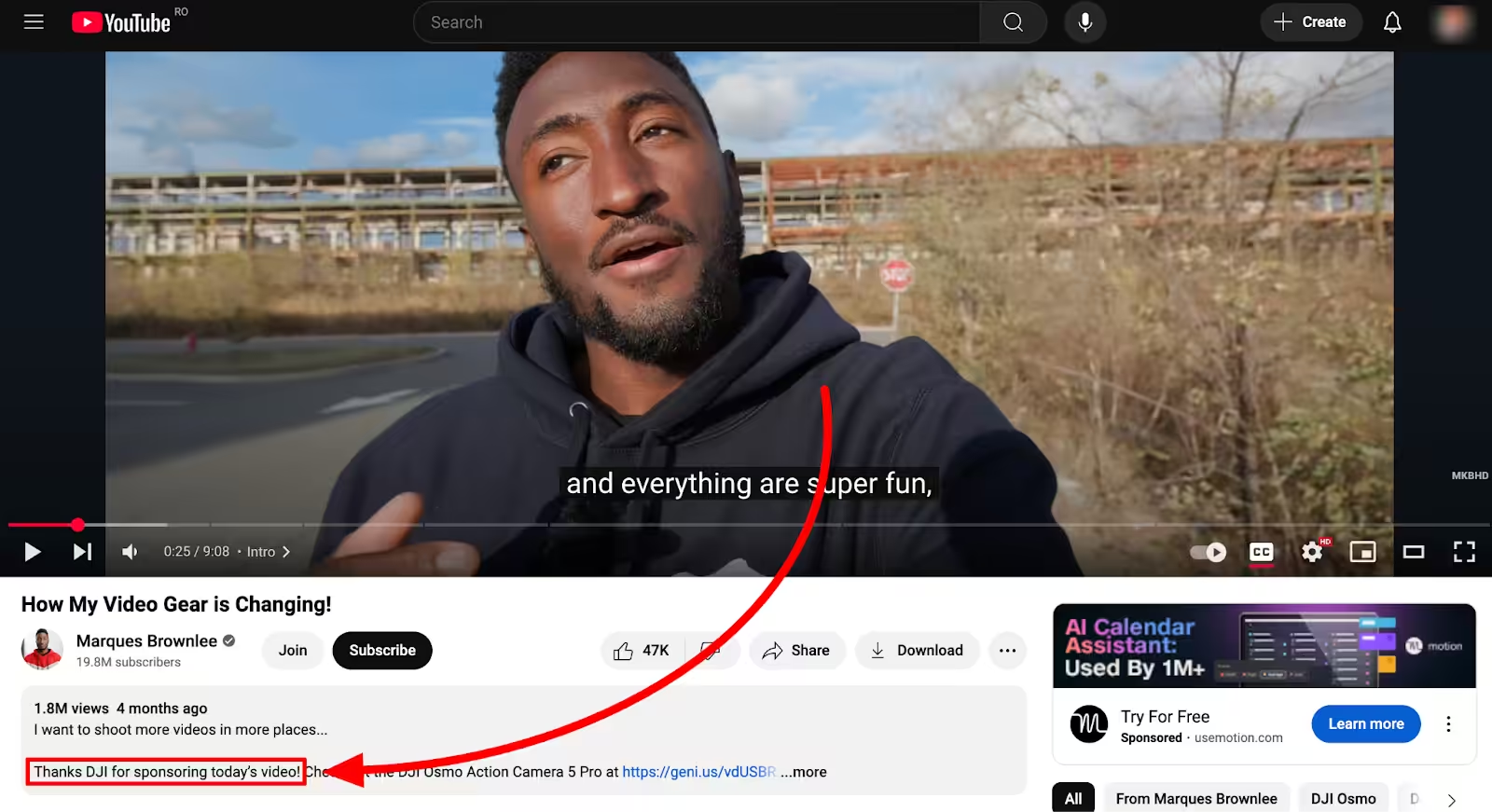
For instance, tech YouTuber Marques Brownlee (MKBHD) produced a full video centered around showcasing DJI’s latest equipment, providing an in-depth look at their products and highlighting their benefits throughout the video. This kind of dedicated sponsorship not only demands higher production values but also commands a premium price, which can range anywhere between $50,000 to $100,000 or more.
These types of creators may cost more, but the benefit is that their niche audience is usually more likely to follow up from the influencer’s content. MKBHD audiences follow him specifically for his product reviews, so chances are DJI got a pretty good ROI from this video.
5. Content Format and Placement Type
Not all sponsorship deals are priced equally, even on the same YouTube channel. Format significantly affects what brands should expect to pay:
- Dedicated videos: The entire video is about the brand or product. Highest rates — expect a 1.5–2x premium over integrated content. Used by high-production-value brands like MKBHD’s DJI partnerships, which can reach $50,000–$100,000+.
- Mid-roll integrations: A 60–90 second sponsored read placed mid-video, when audience engagement and retention are still high. The industry workhorse. CPM benchmarks typically reference this format.
- Pre-roll mentions: First 30 seconds of a video, typically 15–30 seconds long. Reaches the full audience before any drop-off, but with less depth. Usually priced at 0.5–0.7x the mid-roll rate.
- Short-form videos (YouTube Shorts integrations): An emerging and fast-growing format. Most deals currently fall in the $100–$500 range for most creators, up to $5,000 for large channels with significant Shorts followings.
- Product placements / unboxings: The product is present throughout the video. Can be expensive due to sustained visibility, especially for luxury or tech products.
6. High-Quality Content and Production Value
High-quality content commands higher rates. YouTube channels that invest in professional equipment, clean editing, and strong storytelling consistently earn more from sponsorship deals because their videos retain audience attention more effectively. For brands, quality content signals a creator who takes their craft seriously, and who will represent the product accordingly.
Not sure which creator tier and format fits your budget?
Curious how your influencer program could perform on YouTube? Take our quick quiz and get tailored insights delivered straight to your inbox.
How Much Do YouTubers Make? Estimated Earnings Breakdown
Understanding how much YouTubers make requires separating ad revenue from sponsorship income. These are calculated very differently. Many creators rely on a YouTube money calculator to estimate their earnings, but these tools typically only reflect AdSense revenue from the YouTube Partner Program, not brand deals.
Here’s a more complete picture of monthly earnings and yearly earnings across creator tiers, combining ad revenue and estimated sponsorship income:
| Creator Tier | Monthly Earnings (Est.) | Yearly Earnings (Est.) |
|---|---|---|
| Nano (1K–10K subs) | $50–$1,000 | $600–$12,000 |
| Micro (10K–100K subs) | $500–$8,000 | $6,000–$96,000 |
| Mid-Tier (100K–500K subs) | $3,000–$25,000 | $36,000–$300,000 |
| Macro (500K–1M subs) | $10,000–$60,000 | $120,000–$720,000 |
| Mega (1M+ subs) | $50,000+ | $600,000–$54M+ |
Estimated daily earnings for most full-time creators fall between $100 and $2,000, though top creators with elite brand deal portfolios can earn tens of thousands per day. These figures reflect combined income across multiple revenue streams — AdSense revenue, sponsorship deals, affiliate commissions, and channel memberships.
💡 AdSense revenue and sponsorship income are separate. A channel averaging 500,000 monthly views might earn $1,000–$2,500 from AdSense but $5,000–$15,000 from direct brand deals — sometimes more, depending on niche. For a deeper look at how YouTube affiliate marketing works as a revenue stream, we break it down further on the blog.
The Rise of YouTube Shorts Sponsorships
YouTube Shorts now reach 2 billion monthly users — more than TikTok and Instagram Reels — with 70 billion daily views and a 5.91% average engagement rate that leads all short-form video platforms. A 2025 Aspire survey found that 62% of brands planned to increase their Shorts sponsorship budgets in 2026, making it one of the fastest-growing sponsorship opportunities on any social media platform.
Current Shorts sponsorship rates:
- Most Shorts deals: $100–$500 per video for most creators
- Large channels with significant Shorts viewership: up to $5,000 per deal
- Shorts earn 40–60% less per video than long-form, but with a fraction of the production overhead
- 74% of Shorts views come from non-subscribers — making Shorts YouTube’s primary discovery surface
The most effective approach for brands is bundling: negotiate packages that include both long-form integrations and short-form videos, typically unlocking a 10–20% discount on combined rates. Many YouTube creators using both formats grow 41% faster, which compounds the value for sponsors over time.
💡 YouTube’s 2026 NewFronts introduced a dedicated Brand Partners Suite that consolidates creator discovery, brief distribution, contract execution, and measurement into a single interface, replacing the fragmented email and spreadsheet workflows that previously managed influencer campaigns. Read more about how YouTube influencer marketing compares to other platforms.
Types of YouTube Sponsorship Deals
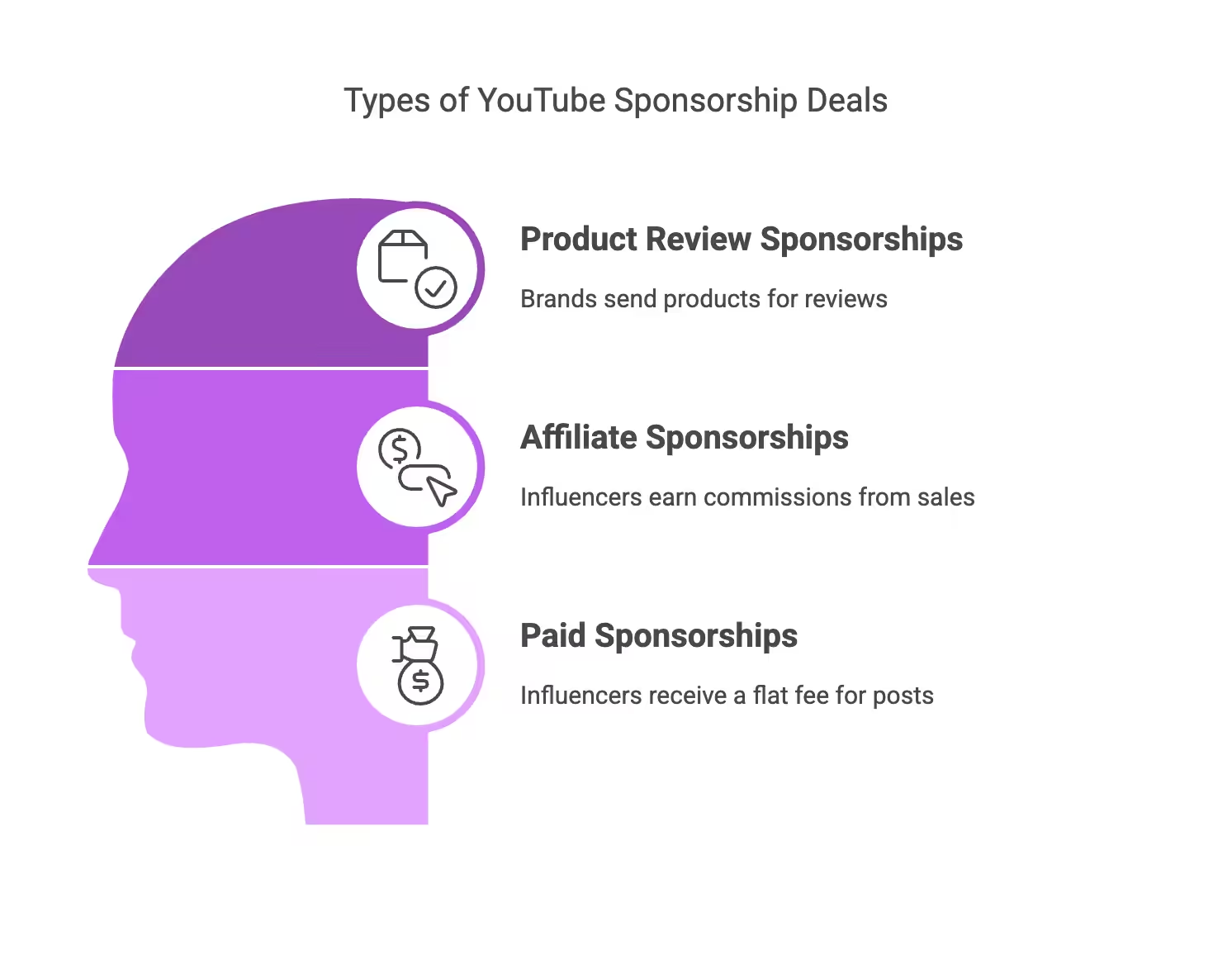
YouTube sponsorships can come in different forms. They include:
- Product Review Sponsorship Packages: In this kind of sponsorship deal, a brand sends free products to a YouTube creator in exchange for a mention or video review. Depending on your agreement with the influencer, they may discuss the product extensively or mention it in passing in their video.
- Affiliate Sponsorship Packages: The creator receives a commission on every sale through their unique link or code in the video descriptions — 5–30% depending on the product and agreement. Often stacked on top of a flat fee for larger channels. Vivian Agency runs end-to-end affiliate program management — from creator recruitment to performance tracking — for global brands looking to scale this model across multiple YouTube creators. If you’re evaluating whether an affiliate or referral approach fits better, our breakdown of affiliate marketing vs referral marketing is worth a read.r buys using the affiliate link in their video description.
- Paid Sponsorship Packages: Paid sponsorship is the most traditional type of YouTube sponsorship agreement. In this arrangement, the brand pays the influencer a flat fee to post quality content about its product on their YouTube channel.
Ready to explore what a YouTube affiliate or influencer program looks like for your brand?
Let’s talk. Book a free call with our team — no pitch, just a conversation about what fits your goals.
YouTube Sponsorship Payment Models
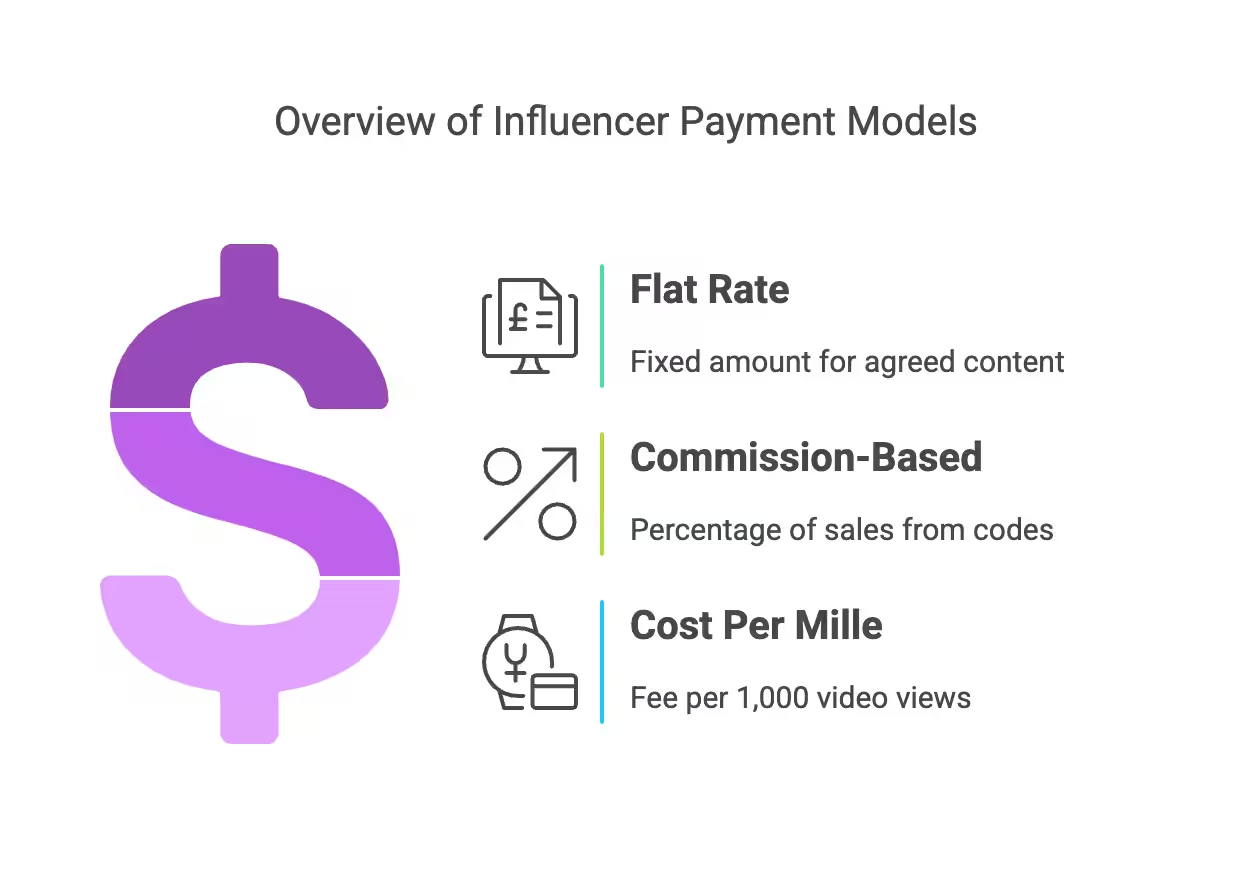
There are several ways brands can pay for YouTube sponsorships:
Flat Rate Payment Model
With the flat fee payment method, the brand and the influencer agree on a fixed amount for a specific number of videos or mentions. This payment type is very predictable and can help brands plan their marketing budgets more effectively.
Commission-Based Payment Model
In the commission-based payment model, the influencer earns a percentage of the sales via their discount or affiliate code. The percentage influencers receive usually ranges from 5 to 20%, and it may even hit 25 to 30% for high-ticket products or partnerships.
Cost Per Mille (CPM)
Cost per mille is a set fee for every 1,000 views the sponsored video gets. In this payment model, you pay the influencer for every 1,000 views your sponsored video gets. CPM rates vary widely depending on audience demographics and other factors I explained earlier. They typically range from $5 – $75 CPM.
You can also choose to opt for a cost-per-view (CPV). CPV is a simplified version of CPM. Instead of calculating for every 1,000 views, you break it down to every view the video gets. You can multiply it with an agreed number of projected views and arrive at a flat rate. CPV can range from $0.018 to $0.023 per view.
Finding the Right YouTuber for Your Sponsorship Deals
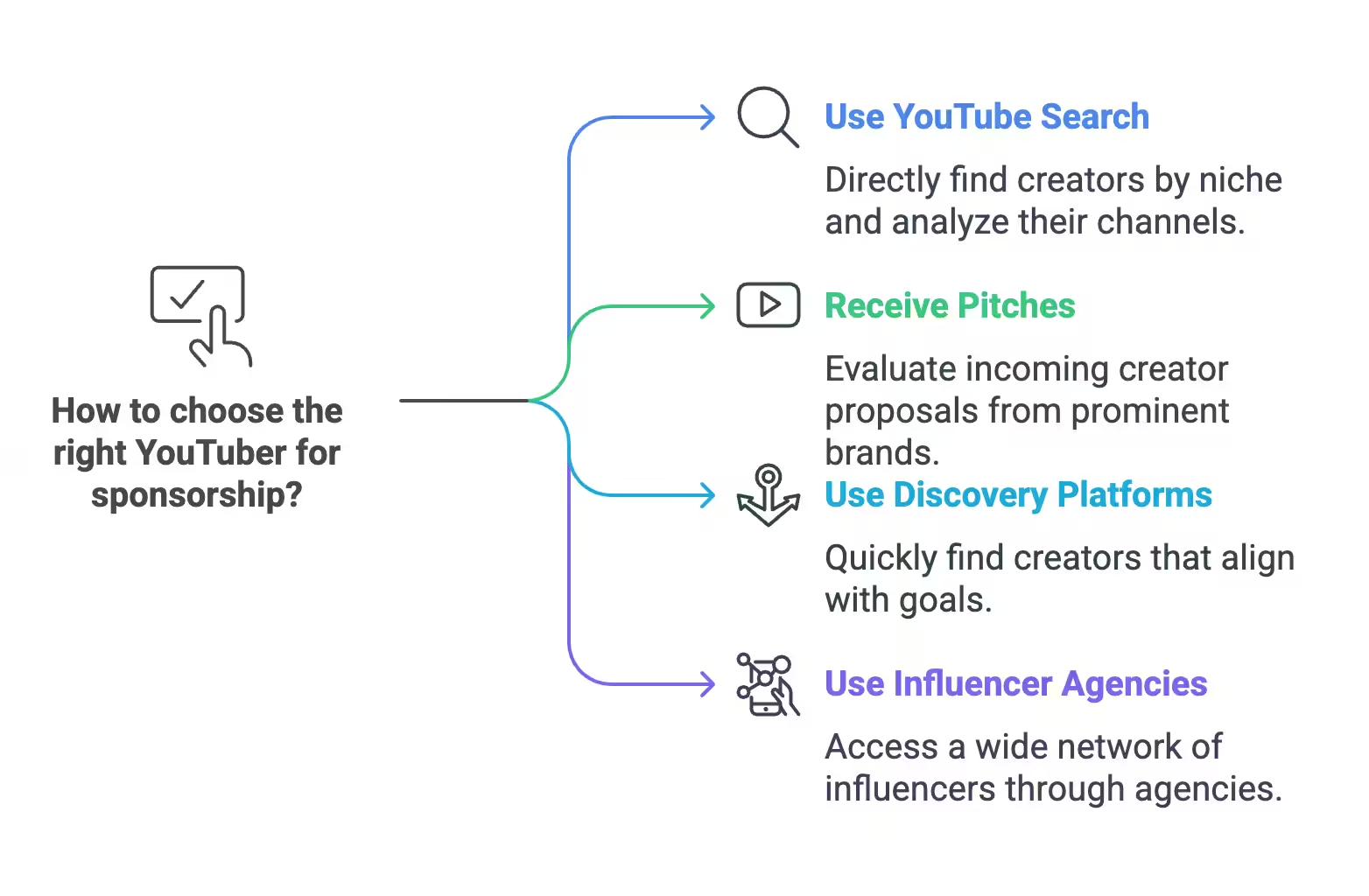
Finding the right YouTube creator for your influencer marketing strategy can be daunting. However, proper guidance can ease the burden.
One of the first ways to find influencers is through YouTube. Enter keywords associated with your niche and see the channels that come up. Analyze their pages for views, engagements, subscriber base, and type of content, and highlight the channels that meet your specifications.
If you’re a prominent brand, you might be lucky to receive pitches from content creators seeking sponsorship opportunities. You can analyze their channels and reach out to the ones who meet your specifications.
You can also use an influencer discovery platform or agency like Vivian Agency to find creators that align with your goals. Influencer discovery platforms often have search functions that help you find influencers that align with your goals in seconds.
On the other hand, influencer agencies have a wide network of influencers with which to connect brands. Some best practices when choosing the right YouTube creators for your brand include:
- Ensure they align with your brand image and values.
- Ensure their channel meet the requirements of the YouTube partner program and follows YouTube policies.
- Thoroughly peruse their media kit. Usually, their media kit includes information about their niche, demographics, subscriber count, watch time, and previous brand deals.
- Ensure you negotiate usage rights when negotiating prices for creating content.
Let Vivian Agency Handle Your YouTube Creator Network
Finding and managing your creator relationships can be a hefty task for small and medium businesses. It becomes even harder when you don’t have a dedicated team handling it.
However, a much easier alternative is outsourcing it to an influencer agency. They will help you find influencers that align with your niche and manage your influencer relationships (including the negotiation process).
Thankfully, Vivian Agency can help. We have the skills, network, and manpower to handle all your influencer and digital marketing needs across all platforms, including YouTube.
We are a boutique digital marketing agency specializing in affiliate and influencer marketing. Contact us today or schedule a call with us to discuss the many ways we can help you.
FAQs:
How much do YouTubers make with 1,000 subscribers?
At this level, most YouTube sponsorships are product-only — a brand sends free products in exchange for a mention or review. Paid cash deals do happen, particularly for hyper-niche channels whose audience demographics align tightly with a brand’s target audience. Expect $50–$200 for paid placements at this tier. Estimated daily earnings from AdSense alone are typically under $5. To join the YouTube Partner Program and unlock ad revenue, channels need at least 500 subscribers and 3,000 watch hours.
How much do YouTubers make with 10,000 subscribers?
Roughly $100–$500 per sponsored video, depending on niche and audience engagement. Finance or tech YouTube channels at this size can command the higher end. Monthly earnings from a combination of AdSense revenue and one or two brand deals could realistically reach $500–$2,000. Many YouTubers at this stage are actively building their media kit and pitching potential YouTube sponsors directly.
What is a YouTube money calculator and is it accurate?
A YouTube money calculator estimates a channel’s earnings based on video views, subscriber count, and estimated CPM. Most only reflect advertising revenue from YouTube’s Partner Program — they don’t account for direct sponsorship deals, affiliate income, or channel memberships. Use them as a rough baseline for ad revenue, but understand that for most mid-tier and above YouTube creators, brand deals represent the majority of actual earnings.
Is CPM or flat rate better for brands?
Flat rate offers budget predictability, you know exactly what you’re paying regardless of how a video performs algorithmically. CPM ties cost to actual video views, which appeals to performance-focused advertisers. In practice, most YouTube sponsorships are structured as flat rates, with CPM used as the calculation framework behind the scenes.
What should I look for in a creator’s media kit?
A media kit should include average video views (not just subscriber count), audience demographics, geographic breakdown, previous brand deals and their formats, engagement rate, and typical watch time. The best media kits include documented results from past influencer campaigns — click-through rates, affiliate conversion data, or brand lift metrics. Check out our post on how to find affiliates for your brand for what a strong outreach and vetting process looks like from the brand side.