
Influencer marketing has shifted. Gone are the days when a large following was all a creator needed to work with brands. The spotlight is no longer predominantly on celebrities, mega influencers, and larger influencers. Many brands are increasingly recognizing that smaller creators with loyal communities often outperform macro influencers on every metric that actually matters.
Today, many brands prefer to work with micro-influencers as a core part of their marketing strategy and future marketing strategies alike. These content creators have small but loyal followings (between 10,000 and 100,000 followers), and brands trust them for authentic and niche-focused promotion.
Don’t believe it? I’ve curated a list of 19 brands that work with micro-influencers, including popular brands like Sephora and Coca-Cola.
Keep reading to learn about these brands, how to benefit from micro influencer marketing, and how to start your program in 2026.
Here’s an overview table to add right after the intro and before the brand list:
Table of Contents
Overview
| What is a micro-influencer? | A content creator with between 10,000 and 100,000 followers. Known for loyal communities, high authentic engagement rates, and niche audiences that convert better than larger influencer followings. |
| Why do brands work with micro-influencers? | Higher engagement rates, more authentic connections with specific audiences, lower cost than macro influencers, and better ROI on paid collaborations and PR packages. |
| Which brands work with micro-influencers? | Beauty brands like Sephora and Glossier, fashion brands like ASOS and Levi’s, fitness brands like Nike, Gymshark, and Lululemon, and global consumer brands like Coca-Cola and Airbnb. |
| What do micro-influencers typically receive? | Free products, PR packages, free clothes, promotional codes, flat fees for paid collaborations, commission-based affiliate arrangements, or a hybrid of all of the above. |
| What platforms do they work on? | Instagram, TikTok, YouTube, and emerging social platforms. Short form videos and visual storytelling perform best across all of them. |
| What results can brands expect? | Higher community engagement than macro influencer campaigns, more user generated content, stronger authentic connections with niche audiences, and better conversion rates from specific communities. |
| How do you find the right micro-influencers? | Through influencer marketing platforms, manual social media search, your own customer base, or by working with a specialist agency like Vivian Agency that handles creator sourcing, vetting, and outreach end to end. |
| How do you measure success? | Track engagement rates, conversions via promotional codes or affiliate links, user generated content volume, brand mentions, and direct sales attributed to each small influencer using attribution tools. |
19 Brands That Work With Micro-Influencers
See some of the top brands that actively collaborate with micro-influencers to promote their products across platforms like Instagram, YouTube, and TikTok.
1. Sephora
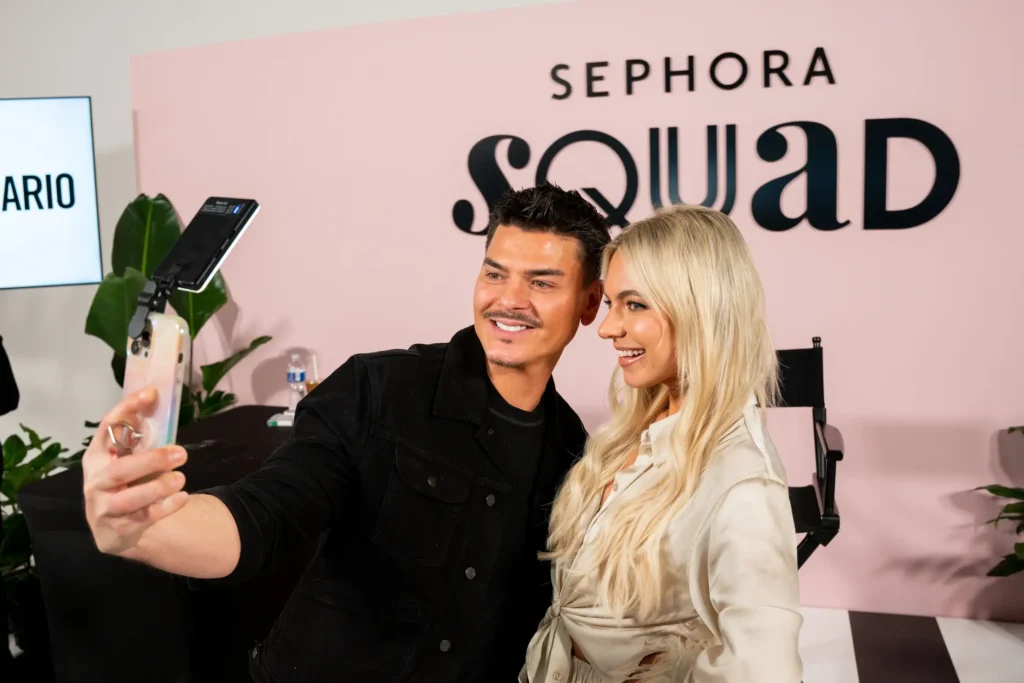
If you open your Instagram app right now and search #sephorasquad, you’ll find over 100,000 posts from fans who have become brand ambassadors of Sephora beauty products. The brand uses paid collaborations with small influencers to connect with a wider audience and build brand identity through authentic engagement rather than traditional advertising.
Sephora is one of those brands that sends PR packages to small influencers and invites them to share their honest reviews. As you probably guessed, this builds trust and credibility with their target audience.
Sephora’s approach is a masterclass in community engagement — by giving micro creators the tools and free products they need to create authentic content, the brand generates fresh content and user generated content at scale without sacrificing content quality.
2. Glossier
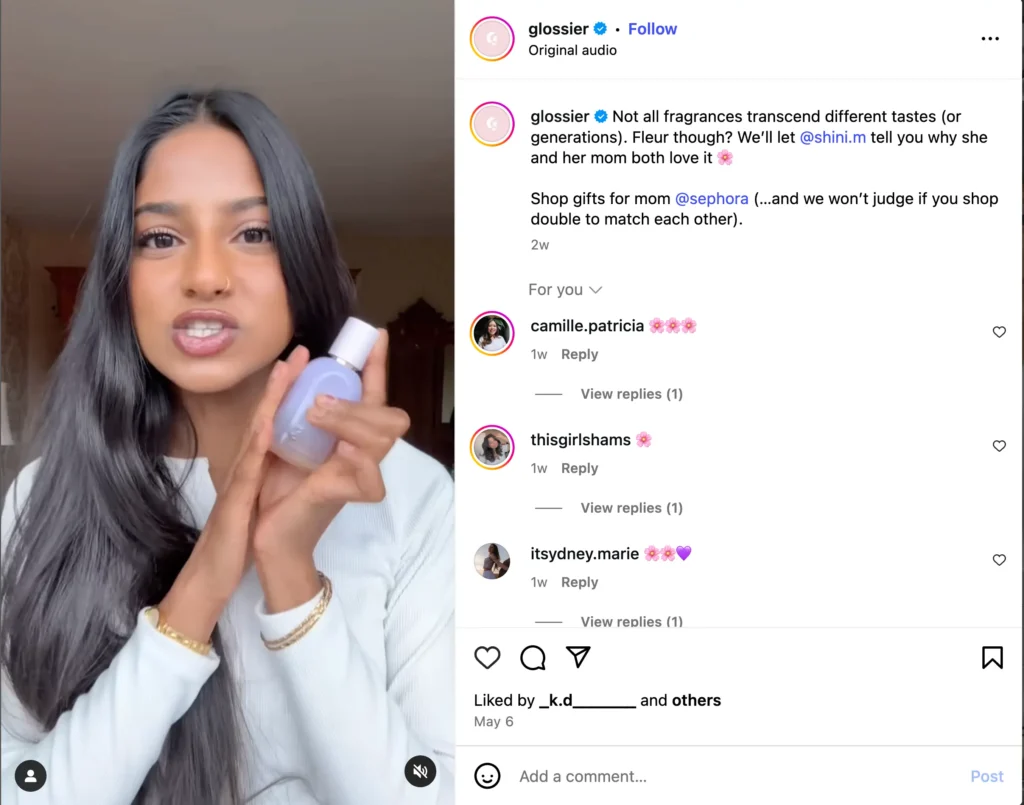
Glossier is another beauty brand in the beauty industry that encourages its fan base and customers to become brand evangelists. This is one of the most effective glossier industry strategies for brands aiming to build authentic connections without relying on traditional advertising.
They offer promotional codes, discounts, or other rewards to customers in exchange for posting Glossier products they like, creating a steady stream of authentic content and user generated content that boosts engagement across social platforms.
So, anyone can be an influencer for brands like Glossier, regardless of their number of followers, as long as they can share honest opinions about their favorite products.
3. Daniel Wellington
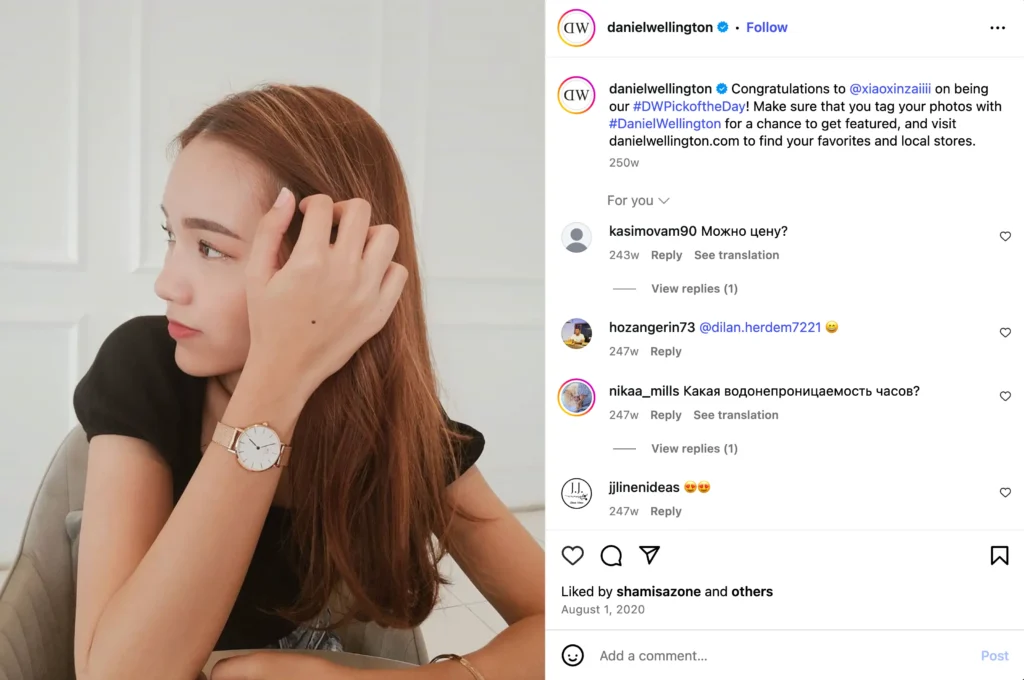
Daniel Wellington is one of the most cited fashion brands in the daniel wellington industry of micro influencer marketing. The brand offers incentives including free products and promotional codes to small influencers to promote its products on social media platforms such as Instagram. The brand also uses these influencers’ content as user-generated content (UGC) on its feed through their daily #DWPickoftheDay contest.
This adds a little competition to the entire campaign because it challenges influencers to create high quality content and engaging content to feature on Daniel Wellington’s page — a smart marketing tactic that drives content creation at scale.
4. Coca-Cola
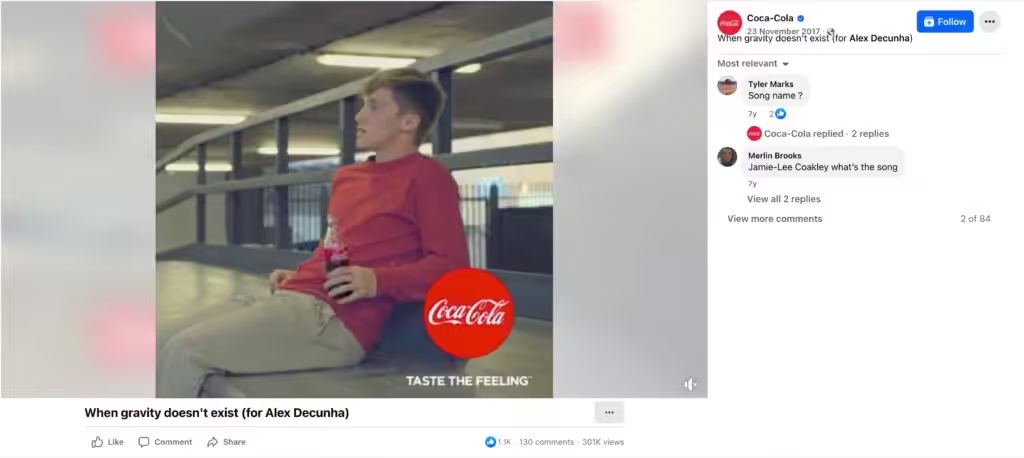
Are you surprised to see Coca-Cola on the list of brands that work with micro-influencers? You’d expect the beverage brand to use macro influencers or celebrity influencer campaigns based purely on reach. However, their marketing campaigns feature small influencers and micro creators as well, proving that even the world’s largest brands work with micro influencers to reach specific communities and specific audiences more effectively.
One particular campaign I remember is the one with @cocacolabelgium. They launched this campaign to connect with Belgian consumers through 14 Instagram influencers in Belgium. Eight of these influencers had less than 100k followers.
The brand picked lifestyle creators with different niche audiences to show consumers how their product can fit into their various lifestyle moments — one of the most effective marketing tactics for brands aiming to reach specific audiences authentically.
5. Nike
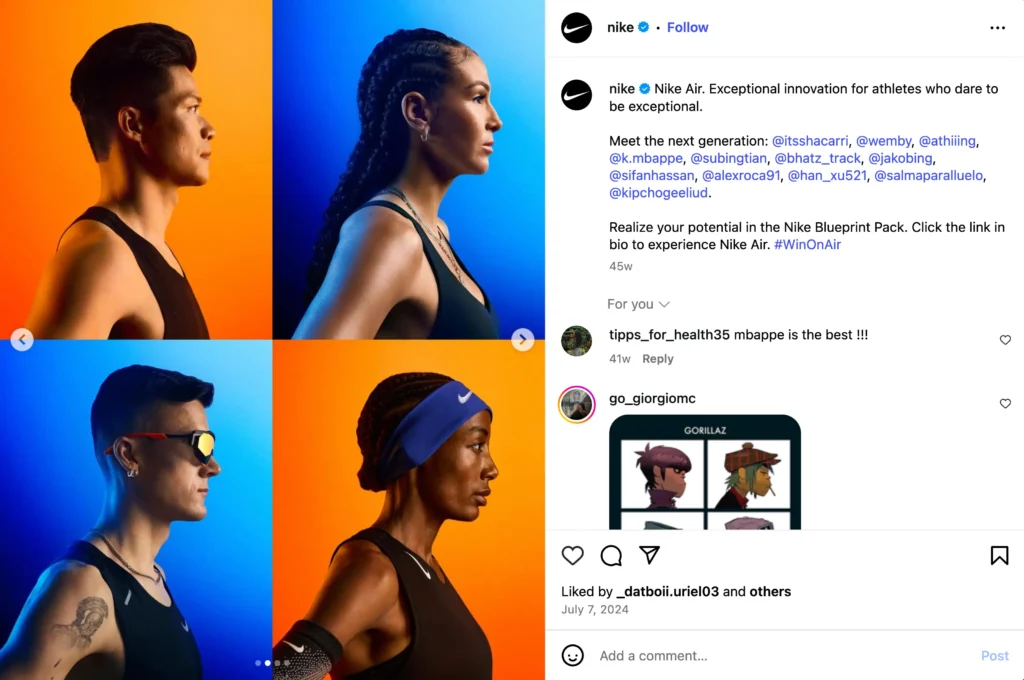
Nike Nike is one of the top fitness apparel brands that recognizes the power of small influencers and harnesses it to market their product in a relatable way. Nike’s micro influencer marketing approach demonstrates how even global brands benefit from the authentic engagement and community engagement that smaller creators deliver. Micro-influencers contributed 52% of Nike’s Media Impact Value in the first half of 2023.
6. ASOS
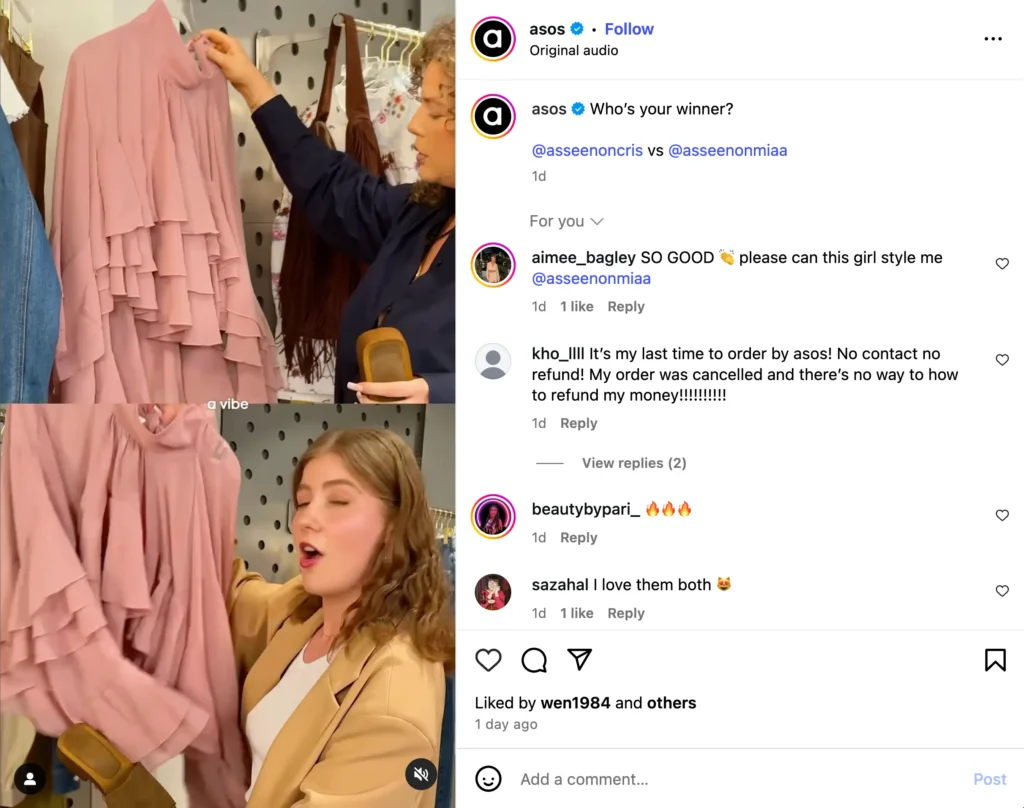
ASOS actively collaborates with small influencers to promote its products and connect with specific audiences across social media platforms. Their approach combines paid collaborations with organic community engagement to maximize brand presence.
They have a campaign called ASOS Insiders, in which selected fashion and beauty influencers share content styling or using the brand’s products with the product code in the caption. While ASOS selects the influencers they invite to the Insiders program, micro-influencers can draw their attention by posting creative content representing ASOS using the hashtag #ASSEENONME.
7. HelloFresh
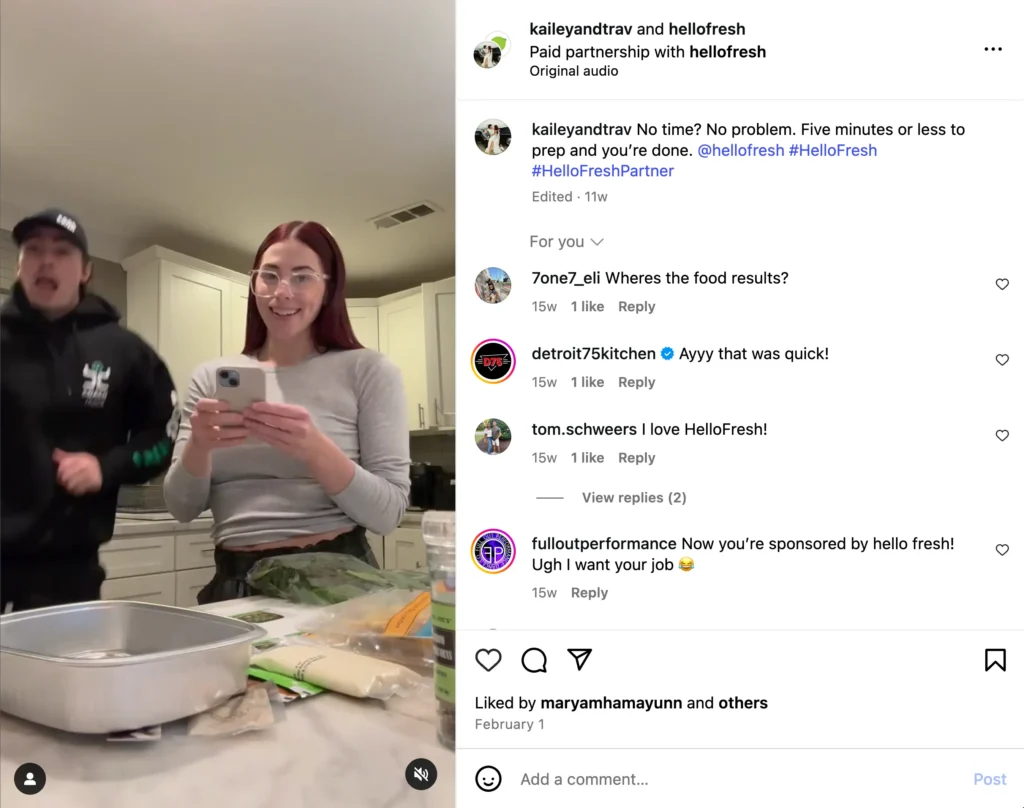
HelloFresh partners with lifestyle creators like busy parents and food influencers to create authentic content showcasing how their meal kit delivery service fits seamlessly into real life moments. These small influencers create relatable content that resonates far more than traditional advertising with their health conscious followers.
Their strategic micro influencer marketing effectively highlights the convenience and variety of their offerings, proving how community engagement built through authentic content outperforms generic promotional campaigns.
8. Amazon’s Audible

Audible is Amazon’s subsidiary for audiobooks, and like the brands we’ve discussed so far, it’s a prominent player in its industry. Audible works with niche influencers like book bloggers, podcasters, and YouTube creators to promote its social media presence and attract more users.
The brand opens its doors to relevant small influencers and gives them creative freedom to create authentic content that best resonates with their audience. One Instagram creator, Jesse Driftwood, posted content that demonstrated his love for running while a friend recommended a book and positioned Audible as a tool for listening to audiobooks on the go.
Authentic content like this is what drives brands that work with micro influencers to opt for this strategy over traditional advertising — the relatable personalities of small influencers create authentic connections that macro influencers simply cannot replicate at the same cost.
9. Sperry
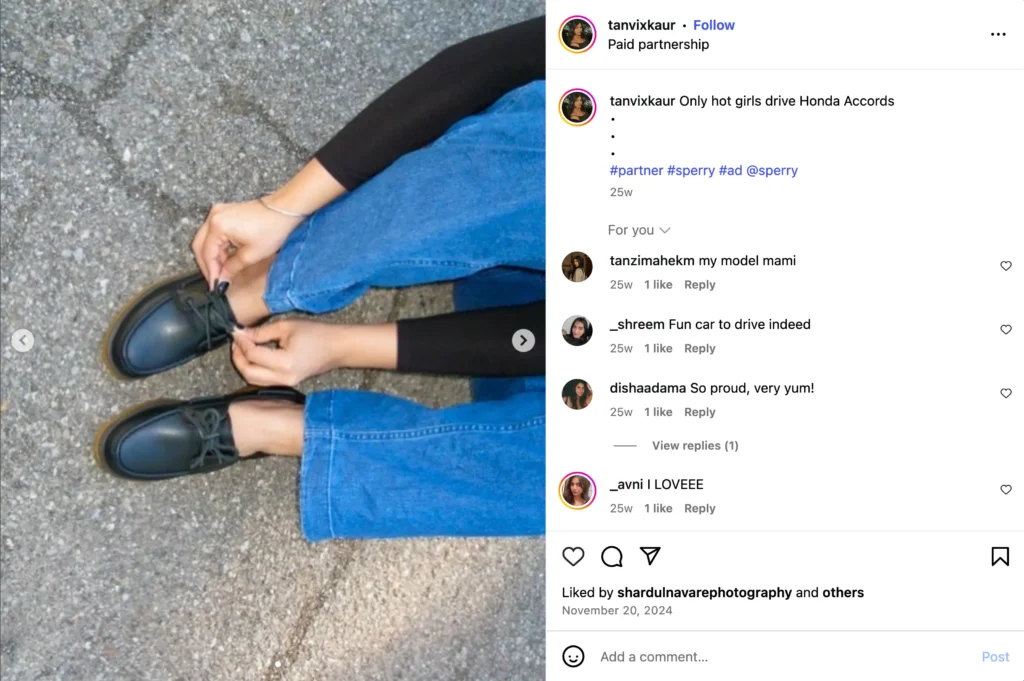
Sperry was smart in their micro influencer marketing. Between 2016 and 2017, they worked with 100 small influencers who had previously bought Sperry shoes. The strategic part was launching the campaign during the rainy season.
So, not only did they leverage the authentic engagement of smaller creators, but they also used the weather to their advantage — campaigns based on real life context perform significantly better than generic promotional content. It was no surprise when they got over 66% increase in website traffic.
10. Gillette
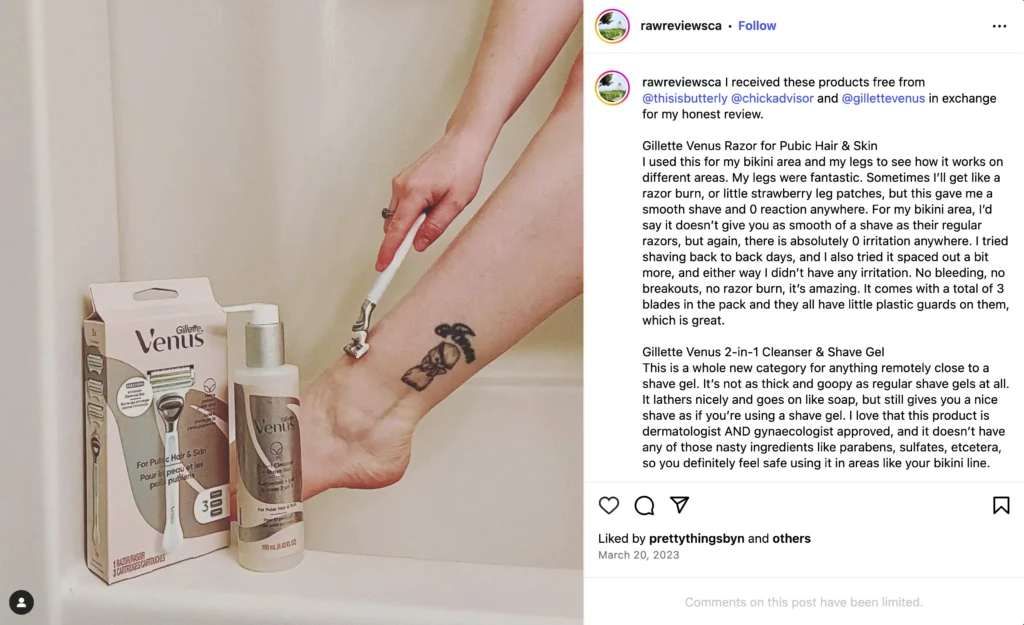
If you’re a millennial or older, you’ll surely know Gillette. But the brand realized that they hadn’t conquered the Gen Z market. So they launched a campaign to get beauty influencers, specifically women, to promote their Venus product line.
They sent PR packages to these small influencers so they could show their audience how well the product works. If this campaign had used only celebrities and big influencers, there would have been an influx of lavish bathrooms unfamiliar to the average person. However, by using micro and nano influencers with relatable personalities and typical bathrooms, Gillette could create authentic connections and community engagement with specific audiences in a way that celebrity influencer campaigns based purely on reach never achieve.
11. Airbnb
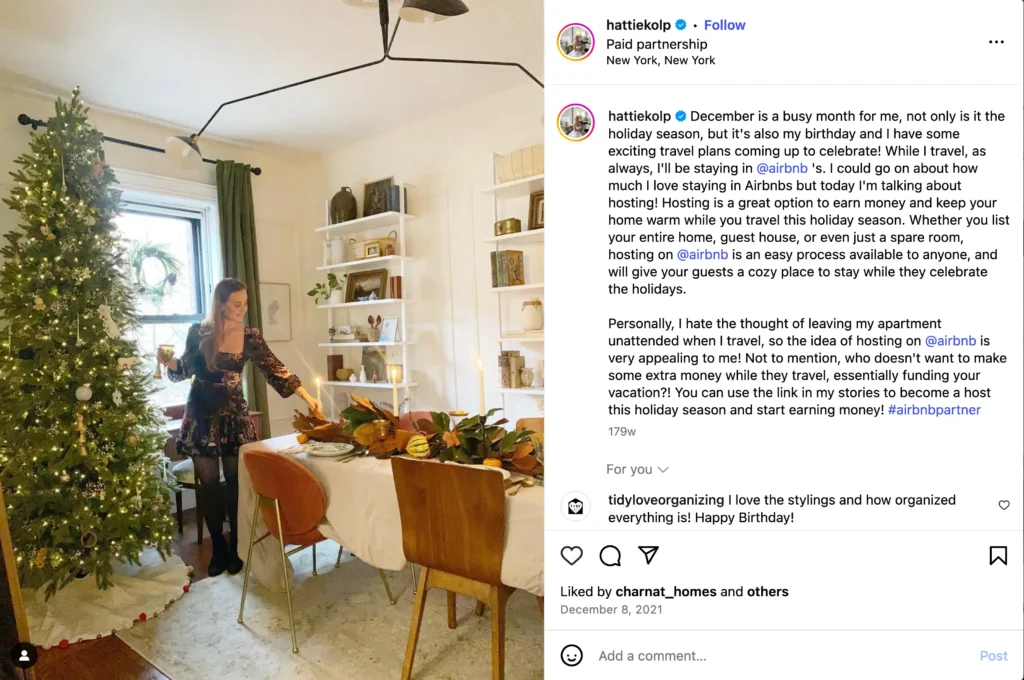
Airbnb partners with travel small influencers who highlight unique stays and travel experiences through visual storytelling and short form videos across social media platforms. These influencers often share travel stories, encouraging their followers to book trips.
For instance, an influencer can share short form videos of different rooms, views, special features, and how the apartment made them feel. These micro creators often reply to comments asking about their stay to provide more information that helps their followers decide.
Airbnb’s approach to brand partnerships with micro creators is a strong example of how lifestyle moments and authentic engagement can drive bookings more effectively than traditional advertising.
12. Levi’s
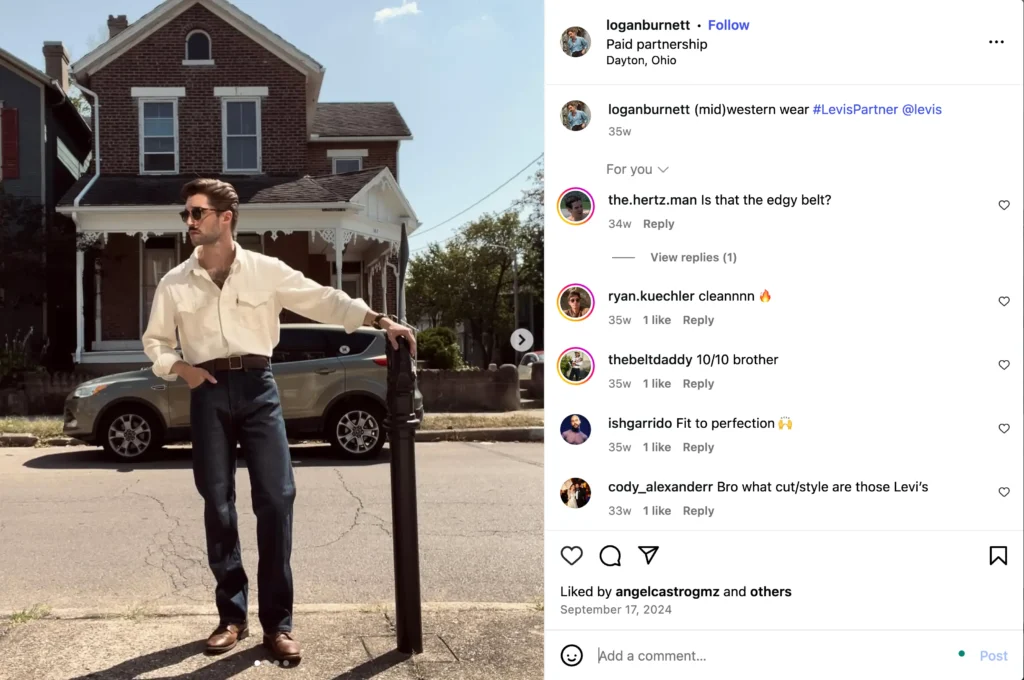
Working with small influencers is a culture at Levi’s, — one of the fashion brands most committed to authentic influencer marketing as a core marketing tactic, especially for events like product launches or sustainability campaigns. On such occasions, the brand collaborates with niche micro-influencers to create outfit posts and reels showcasing the product.
For example, an influencer for a sustainability campaign would wear recycled Levi’s denim, showing the audience the fit while emphasizing that it’s recycled. This kind of content will resonate with an eco-conscious audience, improve brand identity, and strengthen community engagement with specific communities who care deeply about sustainability.
13. Thinx
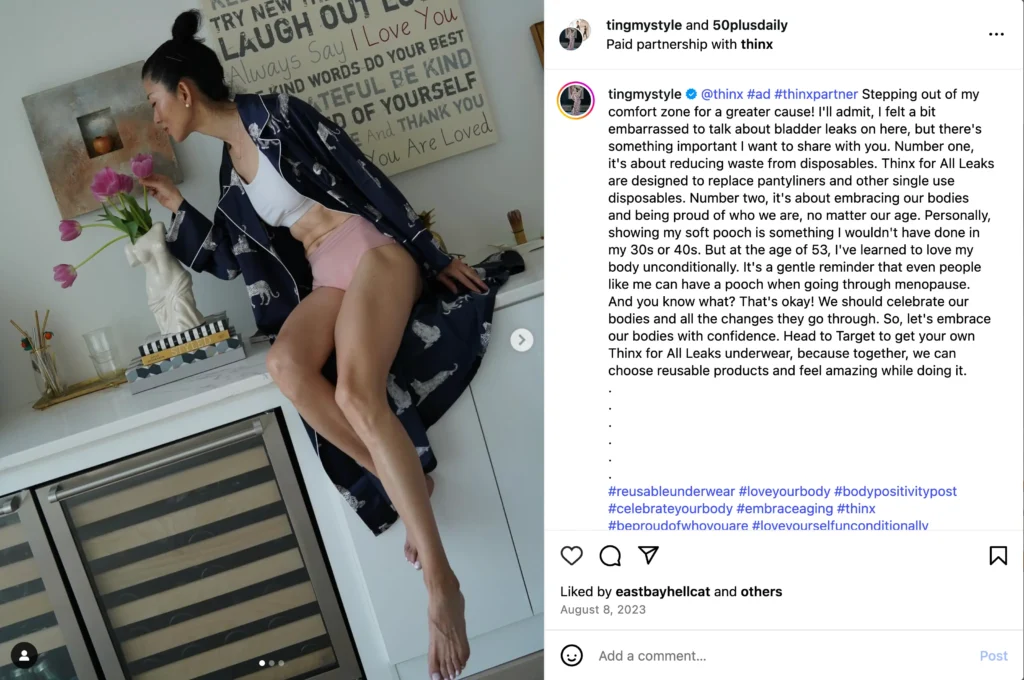
Thinx is a period underwear brand that works with micro-influencers to feature its product in honest, body-positive content. The brand encourages lifestyle creators and influencers in the health and wellness space to share personal experiences and create authentic content, helping normalize conversations about menstruation and women’s health. This community engagement approach builds loyal communities around the brand that traditional advertising could never create.
14. Pura Vida Bracelets
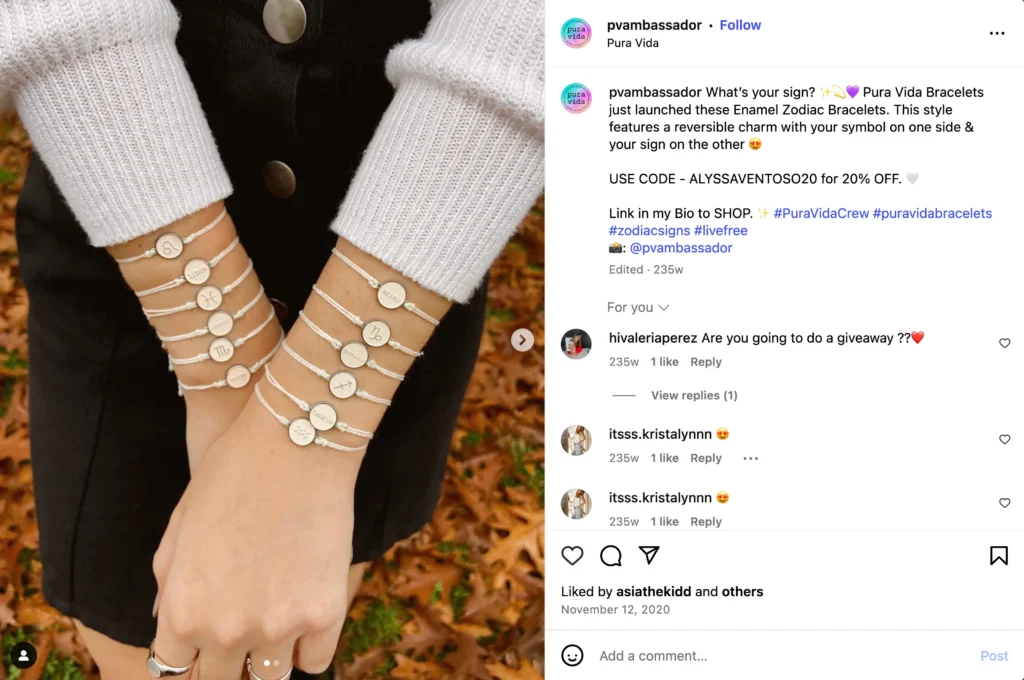
Pura Vida is a jewelry brand known for handcrafted accessories. The brand collaborates with small lifestyle influencers on Instagram and TikTok to create authentic content and user generated content to promote its products. This builds trust and drives conversions because it’s easier for consumers to trust other people’s reviews than a brand selling to them.
User generated content from small influencers creates authentic connections and boosts engagement across social platforms in a way paid collaborations with larger influencers often can’t replicate.to them.
15. Fabletics
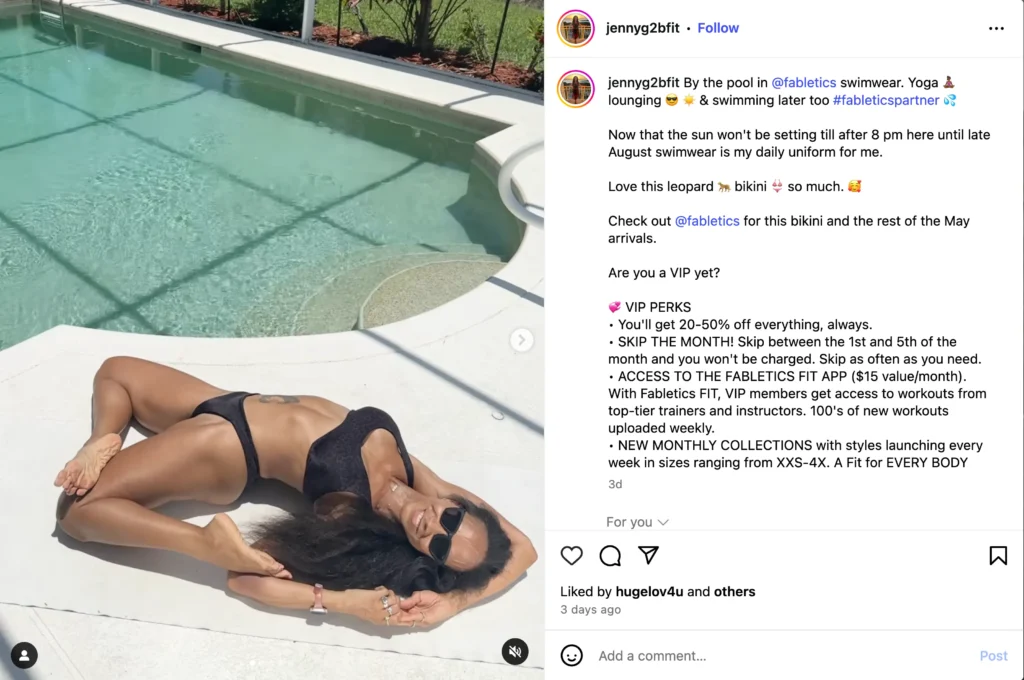
Fabletics uses influencer collaborations to boost brand awareness and engagement. They work with different sizes of fitness influencers to showcase their activewear during workouts.
This fabletics industry approach to community engagement extends beyond paid collaborations — the brand also encourages customers to post their Fabletics activewear using the hashtag #MyFabletics, creating an ongoing stream of authentic content and user generated content from real life users. Currently, there are over 170,000 posts with that hashtag. This is a prime example of how you make customers brand ambassadors for your brand.
16. Gymshark
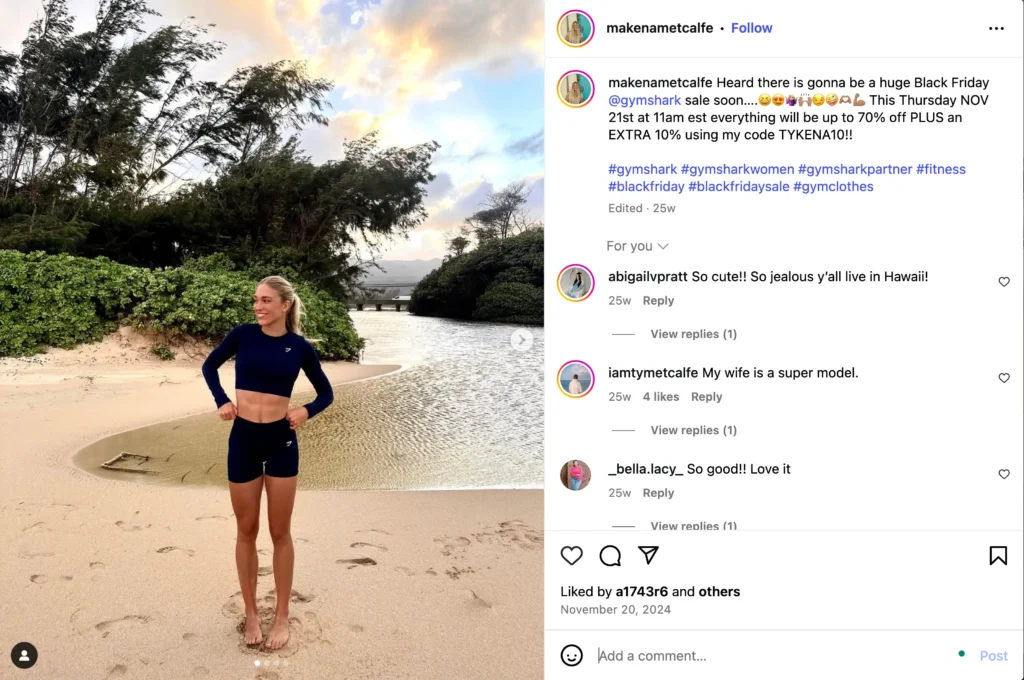
Gymshark leverages brand partnerships with small influencers to create genuine and relatable content on platforms like Instagram and YouTube. They usually work with fitness creators, offering free clothes, free products, or monetary incentives to incentivize them to create content.
Gymshark’s brand partnerships with small influencers demonstrate how community engagement and high quality content can build brand identity far more effectively than macro influencer campaigns based on reach alone.
17. Lululemon
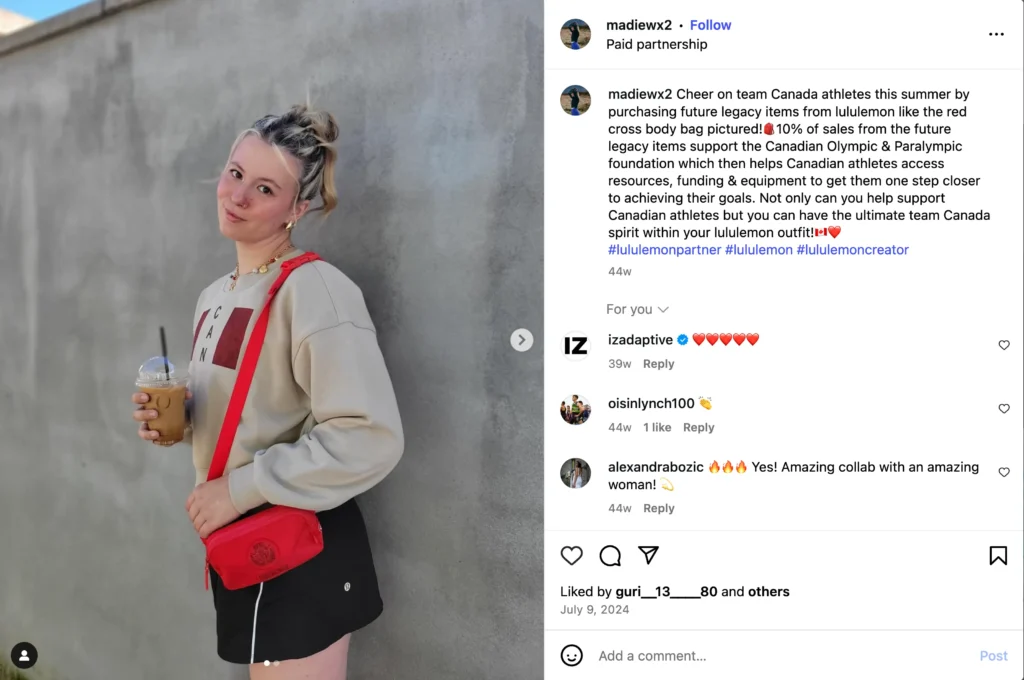
Lululemon has collaborated with micro-influencers to build a community. They work with fitness and wellness creators who share similar brand values. This has helped Lululemon increase brand engagement and loyalty and gain a competitive edge in its industry.
18. La Croix
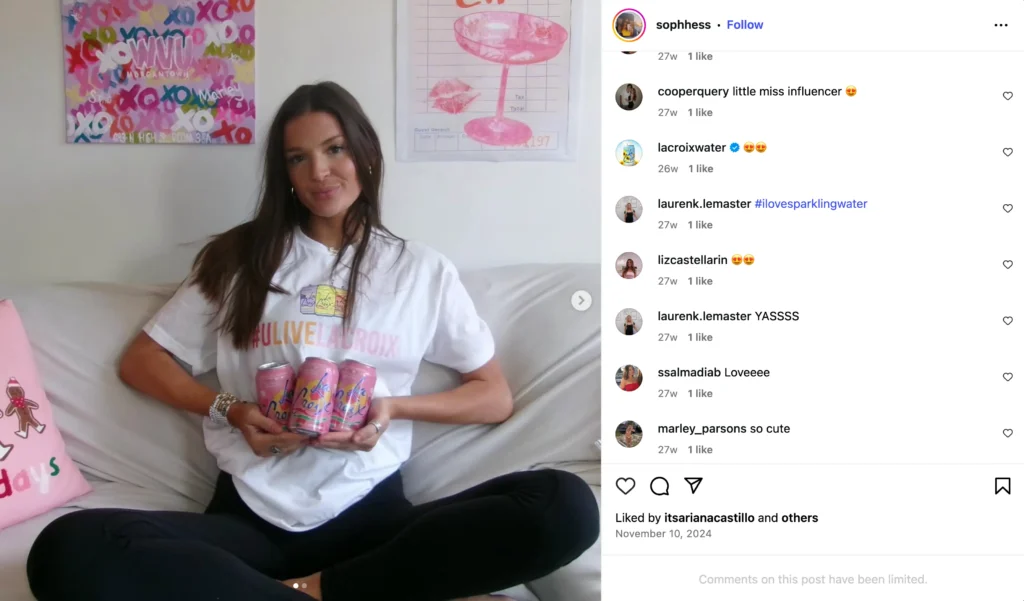
La Croix encourages small influencers to promote its product by sending PR packages with free products — specifically free cases of its drinks. This approach to sending PR packages is one of the most cost effective marketing tactics for brands aiming to reach health conscious followers and specific communities organically.
The brand has made brand partnerships with micro creators part of its digital marketing strategy and even displays some content on its website and feed.
19. Banana Republic
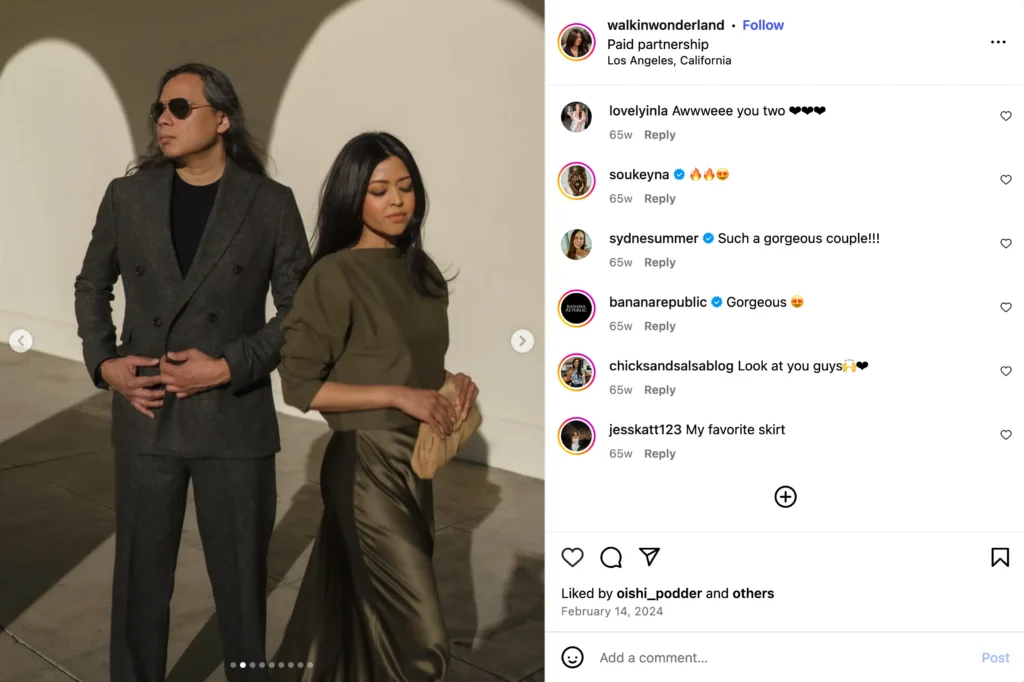
Banana Republic’s influencer program welcomes creators of all sizes, including micro-influencers. These creators often join seasonal campaigns, receive free products to showcase in their content, and create authentic content that drives community engagement across social platforms.
Banana Republic’s marketing efforts demonstrate how fashion brands can use small influencers to extend brand presence across specific audiences at scale. The brand has run 13 campaigns, reaching over 43 million consumers through influencer collaborations.
Why Do Brands Work with Micro Influencers?
Many brands are increasingly recognizing that micro influencer marketing delivers results that traditional advertising and macro influencer campaigns simply can’t match. Here’s why brands that work with micro influencers consistently outperform those relying solely on larger influencers.
The most important reason is higher engagement rates. Small influencers tend to have more active and loyal communities, resulting in authentic engagement and meaningful interaction. This community engagement translates directly into stronger marketing efforts and better campaign performance across social media platforms.
Small influencers also feel genuine and relatable to their audiences. Unlike larger influencers who may appear out of touch, micro creators share their honest thoughts, promote products naturally through real life content, and build authentic connections personally.
Brands that work with micro influencers also benefit from targeting niche audiences. Whether it’s beauty enthusiasts, lifestyle creators in the fitness space, or sustainable living advocates, small influencers help brands reach specific audiences and specific communities with pinpoint accuracy — a marketing tactic that macro influencers and traditional advertising struggle to replicate.
Additionally, micro influencer marketing is cost effective. Many brands can collaborate with multiple small influencers, offer free products or free clothes as compensation, and generate more fresh content and user generated content without breaking the bank — creating broader brand presence with more content quality and diversity across social platforms.
How to Collaborate with Micro-Influencers in 2026
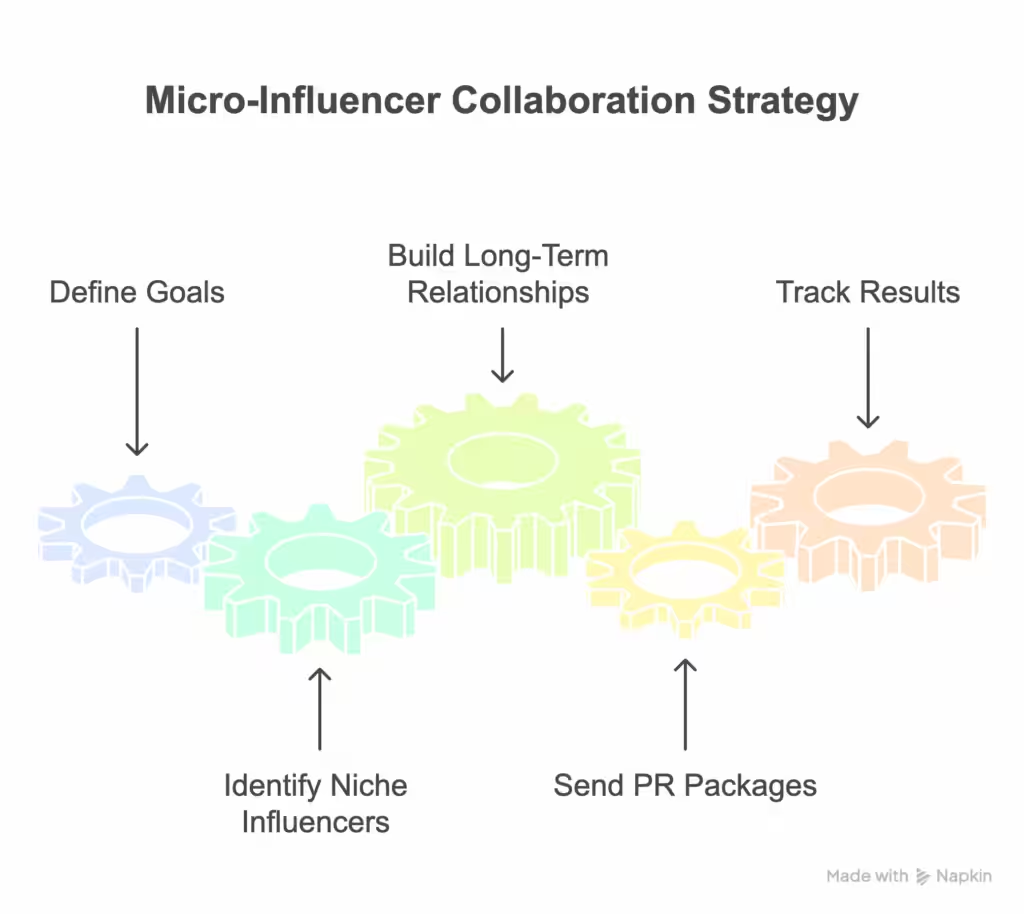
Your brand can also benefit from a micro-influencer partnership. But you need to create a strategy that works for your specific needs. For example, Gillette discovered they needed Gen Z on board, so they targeted them. Sperry leveraged the rainy season to make their campaigns more impactful. How can you make yours relevant and effective?
Start by Defining Your Goals
Determine what you want to gain from the influencer collaborations. Check what your brand needs at the moment. Is it brand awareness, sales to boost revenue, or user generated content to connect with the audience?
When you figure that out, the next step is to set clear KPIs such as website traffic, community engagement, and conversions before reaching out to influencers. Your marketing strategy should also define whether you want short form videos, visual storytelling, or long-form content — since content creation requirements shape which small influencers are the right fit.
Next, Look for Niche Influencers
Find small influencers and lifestyle creators in your niche or complementary niches to promote your brand. Influencer marketing platforms like Upfluence make this faster and more accurate than manual searching across social platforms. Alternatively, search for terms like “health influencer” on Instagram to find relevant micro creators manually.
If you choose to find influencers yourself, use this checklist to pinpoint the best for your brand:
Brand Value Alignment: Ensure they align with your brand identity and brand values. For instance, Lululemon only collaborates with lifestyle creators who uphold their values of healthy living and active lifestyle.
Target Audience Match: Look into their audience demographics (location, age, interests) to see if they match your specific audiences and niche audiences.
High Engagement Rate: Prioritize small influencers with high authentic engagement rates. Low engagement signals that the influencer’s content doesn’t create authentic connections with their followers.
Organic Growth and Authenticity: Work with micro creators who grew their audience through genuine content and real life posts. Authentic content and high quality content are what make micro influencer marketing work effectively for brands.
Media Kit: Request a media kit before committing to paid collaborations. A strong media kit signals content quality and a professional approach to brand partnerships.
But even better, you can outsource this part to an agency like Vivian Agency to accurately find micro-influencers that align with your brand values and can effectively achieve your goals. You don’t want a hit-or-miss case with your campaign because of resources. So, the best option would be to outsource this task to professionals for better ROI.
Engage Micro-Influencers to Build Long-Term Relationships
Instead of one-off paid collaborations, develop a consistent marketing strategy built around long-term brand partnerships. A brand ambassador program gives small influencers the creative freedom to create authentic content consistently — which builds community engagement and boosts engagement with specific communities over time.
To pass this message effectively, the content has to be natural, authentic, and less salesy. Otherwise, their audience will categorize the influencer as just another affiliate trying to sell to them.
Send PR Packages
Sending PR packages is one of the most impactful marketing tactics in micro influencer marketing. You’re missing a major opportunity if the small influencers you work with don’t get first-hand experience of the product you’re trying to sell. Think about it: how else would they give genuine reviews if they didn’t use the product?
If you can afford it, send PR packages to your micro-influencers. They can create content including unboxing short form videos, authentic content reviews, and user generated content that drives community engagement across social platforms.
However, if your brand can’t afford full PR packages, work with existing customers like Glossier does — offer promotional codes, free products, or free clothes in exchange for fresh content. This is one of the most cost effective future marketing strategies for brands aiming to generate high quality content without large paid collaborations budgets.
Track Results
Finally, track your micro influencer marketing campaigns. Many brands fail at this step, which means they can’t optimize their marketing efforts or prove ROI from their brand partnerships.
Banana Republic could tell that their 13 campaigns reached 43 million consumers because they tracked relevant KPIs. When you measure your results, you gain insights into what’s working and what isn’t, and with that information, you adjust your strategy.
Use attribution tools and promotional codes to connect specific small influencers to actual conversions — this is what separates campaigns based on vanity metrics from marketing campaigns that drive real business results.
Create an Effective Influencer Campaign with Vivian Agency
Working with micro-influencers is a smart way to connect with your target audience. People tend to trust people more than brands. While a brand might come off as just another company trying to sell, an authentic creator feels like a friend making a recommendation. That trust leads to stronger connections and eventually, more sales. This summarizes why you should join the ranks of brands that work with micro-influencers today.
So, if you’re ready to start, Vivian Agency can help. You don’t have to stress about outreach, logistics, or results. Vivian Agency helps you collaborate with micro-influencers that yield desirable results. Want more details about our process? Book a call here.
As you’ve read, established brands see the impact of micro-influencers and collaborate with them. There’s no reason you shouldn’t. If you want more details about how they can fit into your marketing strategy, let’s talk.
FAQs
What types of brands work with micro-influencers?
Brands across virtually every category work with micro-influencers in 2026, but the approach is especially common among beauty brands, fashion brands, fitness and wellness companies, food and beverage brands, and lifestyle categories.
As this list shows, it’s not limited to small businesses either — global brands like Nike, Coca-Cola, and Sephora have all made micro influencer marketing a core part of their marketing strategy because the authentic engagement and community engagement small influencers deliver consistently outperforms what larger influencers achieve at the same cost.
How do micro-influencers differ from macro influencers and mega influencers?
Micro-influencers have between 10,000 and 100,000 followers, while macro influencers typically have between 100,000 and 1 million, and mega influencers have over 1 million.
The key difference isn’t size — it’s performance. Small influencers generate significantly higher authentic engagement rates, build loyal communities around specific niche audiences, and create relatable content that drives actual conversions.
Micro-influencers also charge considerably less than larger influencers, making it possible for brands to run paid collaborations with multiple small influencers for the same budget as a single macro influencer deal.
How do brands find micro-influencers to work with?
There are three main approaches.
First, influencer marketing platforms like Upfluence allow brands to search for small influencers by niche, location, engagement rate, and audience demographics. Second, manual social media search — searching relevant hashtags and keywords on Instagram, TikTok, and YouTube surfaces active micro creators in your category. Third, looking at your own existing customer base, as Glossier does, to identify brand ambassadors who already love your product and have an engaged following.
Many brands also partner with agencies like Vivian Agency to handle creator sourcing, vetting, and outreach entirely, which removes the time and guesswork from the process.
Do micro-influencers expect free products or paid collaborations?
Most do. The most common compensation structures in micro influencer marketing are free products or PR packages in exchange for honest reviews, paid collaborations with a flat fee per post or per campaign, promotional codes that earn the influencer a commission on every sale they drive, or a hybrid of all three.
For smaller nano influencers, free products or free clothes are often sufficient. As influencers move toward the higher end of the micro tier (50,000 to 100,000 followers), paid collaborations become the expectation. Including a commission component alongside a base fee is increasingly standard in 2026, as it aligns the influencer’s incentives with your actual sales goals.
How do you measure the success of a micro-influencer marketing campaign?
The metrics that matter most depend on your campaign goals. For brand awareness, track reach, impressions, and brand mentions. For community engagement, track likes, comments, saves, and shares per post. For direct sales, track conversions attributed to each influencer through unique promotional codes, affiliate links, or UTM parameters. For user generated content campaigns, track the volume and quality of content created.
The brands on this list that see the strongest results — like Banana Republic reaching 43 million consumers across 13 campaigns — do so because they define clear KPIs before the campaign launches and use attribution tools to connect each small influencer’s content directly to measurable business outcomes.