
Proper media positioning can help you reach a broader audience, boost credibility, and inspire brand loyalty. However, there’s a catch: the results you experience are determined by the type of media you employ.
While paid, owned, and earned media are vital parts of any digital marketing strategy, they each have their strengths and limitations. You need a thorough understanding of each type to effectively leverage their benefits — and more importantly, to know how to combine them into an effective digital marketing strategy that actually moves the needle.
In this post, I’ve explained how paid, owned, and earned media work and shared tips on combining them to form a solid, data-driven digital marketing strategy for your brand.
Table of Contents
Key Takeaways
- Paid, owned, and earned media each serve a distinct role in your digital marketing strategy. Understanding all three is what separates brands that scale from those that stall.
- Paid media delivers fast results and precise audience targeting but requires ongoing budget and struggles with consumer trust.
- Owned media gives you full control over your brand narrative and is the most cost-efficient long-term play, but has limited reach on its own.
- Earned media is the most credible form of marketing available, but it can’t be bought or controlled. It can only be earned through consistent quality and genuine relationships.
- The most effective digital marketing strategies don’t choose between paid, owned, and earned media. They combine all three so each type amplifies the others at different stages of the customer journey.
Understanding Paid Media
Paid media is any type of media you pay for. Also called bought media, it covers any digital marketing channel that requires you to exchange money for publicity, exposure, reach, or conversions. It is one of the oldest and most effective ways to increase brand visibility and reach potential customers at scale.
Examples of paid media include:
- Pay-per-click (PPC) search engine advertising and paid search campaigns
- Display advertising such as Google Ads, banner ads, and native ads
- Video ads on YouTube and social media platforms
- Social media advertising and paid social media advertising on platforms like Facebook and Instagram
- Paid ads through sponsored content published on external websites and blogs
- Search engine marketing (SEM) and search ads targeting key demographics
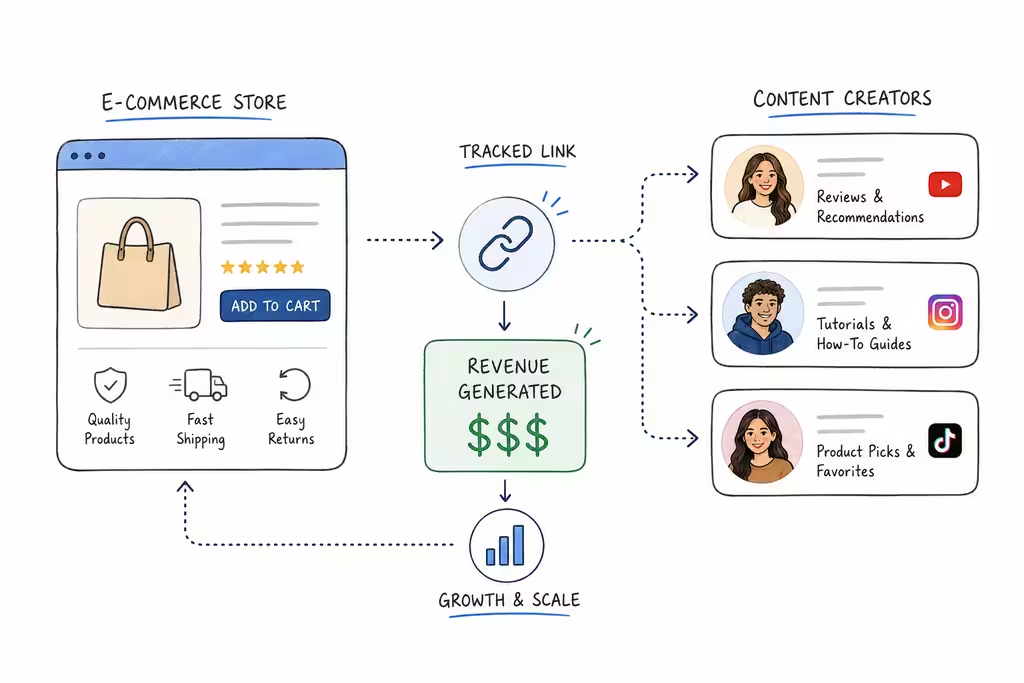
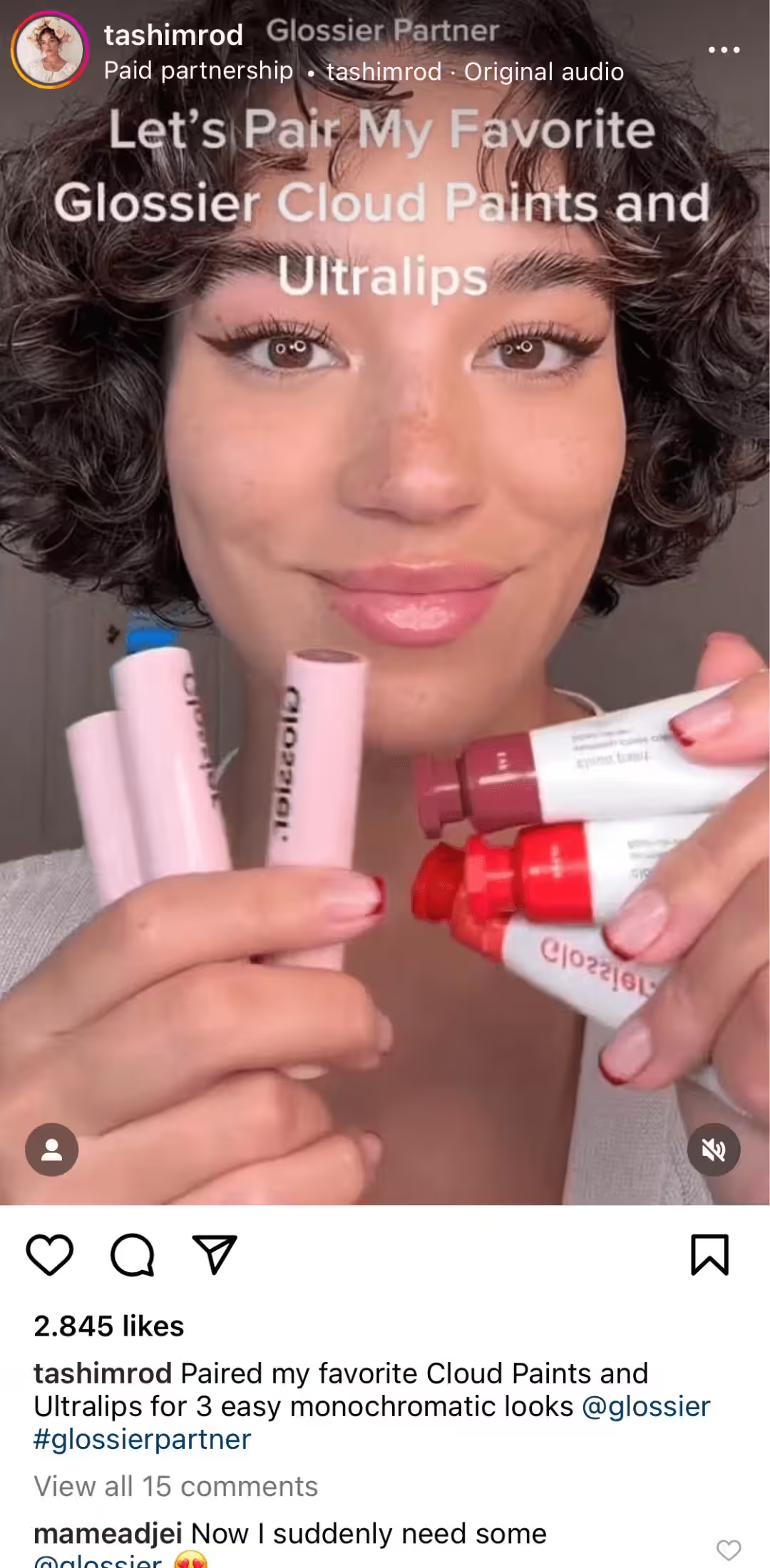
- Influencer marketing partnerships and promotional content
Benefits of Paid Media
- Expanded Reach: One of the biggest benefits of paid media is its ability to reach a larger audience quickly. Effective paid media channels let you get in front of far more potential customers than your owned channels alone can manage. Sponsoring content on another website, for instance, exposes your brand to an entirely new audience, while paid search ensures your brand appears when your target audience searches for keywords related to your industry.
- Precise Targeting: Paid media offers precise audience targeting based on demographics, interests, behaviours, and pain points. This makes it easy to target specific audiences, control your spend, and manage campaign performance in real time. You choose when to run a campaign, which digital channels to use, and exactly who sees your message.
- Measurability: Return on investment is central to any digital marketing strategy, and paid media campaigns are fully measurable. You can track key performance indicators, monitor campaign performance, and use data-driven decision making to adjust your approach for better results.
- Quick Results: Paid advertising produces fast results. Whether you’re running Google Ads, social media ads, or display advertising, paid media is a reliable way to increase brand awareness in a short timeframe — making it particularly useful for product launches and time-sensitive marketing activities.
Limitations of Paid Media
While paid media is one of the fastest ways to expand reach, one of its biggest challenges is credibility. Many potential customers don’t fully trust paid advertising, especially digital ads they can clearly identify as sponsored.
There’s also the cost — paid media is more expensive than owned and earned media, and results tend to slow the moment you stop spending.
What Is Owned Media
Owned media is any media you create and publish yourself. It covers any web property or content produced directly by your brand, you don’t pay external parties to create or distribute it.
Most prospective customers check a brand’s online presence before making a purchase. A strong owned media strategy allows you to shape their perception, showcase your expertise, and build genuine customer engagement over time.
Owned content like blog posts, social media posts, landing pages, and email marketing helps you establish brand identity organically — and because it comes directly from you, it’s an authentic way to connect with your target audience at every stage of the customer journey.
Other examples of owned media include:
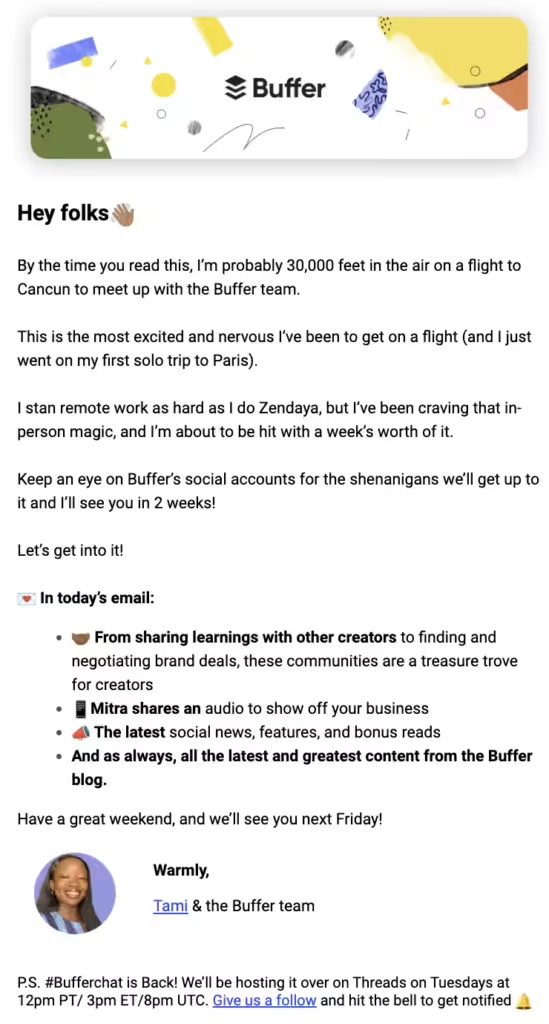
- Company website pages, about us pages, and landing pages
- Blog articles and thought leadership content
- Organic social media posts across your social media channels
- Email marketing and newsletters
- Relevant content designed to nurture leads through the funnel
Benefits of Owned Media
- Showcase Your Industry Expertise: Publishing consistent, relevant content positions your brand as a thought leader in your space. Over time, this builds trust with potential customers who discover you through organic search or word of mouth.
- Absolute Control: Owned media gives you complete autonomy over your digital strategy. You decide the platforms, the message, and how you engage customers without being subject to algorithm changes on paid social media advertising platforms or shifts in media coverage.
- Build a Community: This control also enables stronger customer engagement. A personal, consistent approach to owned media makes it easier to build genuine relationships, foster brand advocates with your target audience and create communities of loyal followers around your brand.
- Low Cost: Owned media is a cost-efficient way to engage your audience. Even if you outsource content creation, publishing through your own channels is always cheaper than paid advertising platforms. It’s one of the most effective forms of organic marketing available.
- Retain Audience Attention: Consistently publishing useful content, articles, infographics, social media posts, keeps your existing audience engaged and supports lead nurturing over the long term. It’s also the most direct way to keep your customer base informed about new products and updates.
Limitations of Owned Media
Owned media offers complete autonomy, but it has limited visibility.
It’s mostly seen by people who already know your brand and are actively searching for or following you. You can combat this through search engine optimization best practices to improve organic search rankings, but owned media is most effective for nurturing leads already in your marketing funnel rather than generating broad awareness on its own.
There’s also the credibility issue — some customers may discount what you publish, knowing it comes directly from you.
Struggling to get your owned media in front of the right people? Let’s look at how a smarter digital marketing strategy could change that — book a free call with our team today.
What Is Earned Media
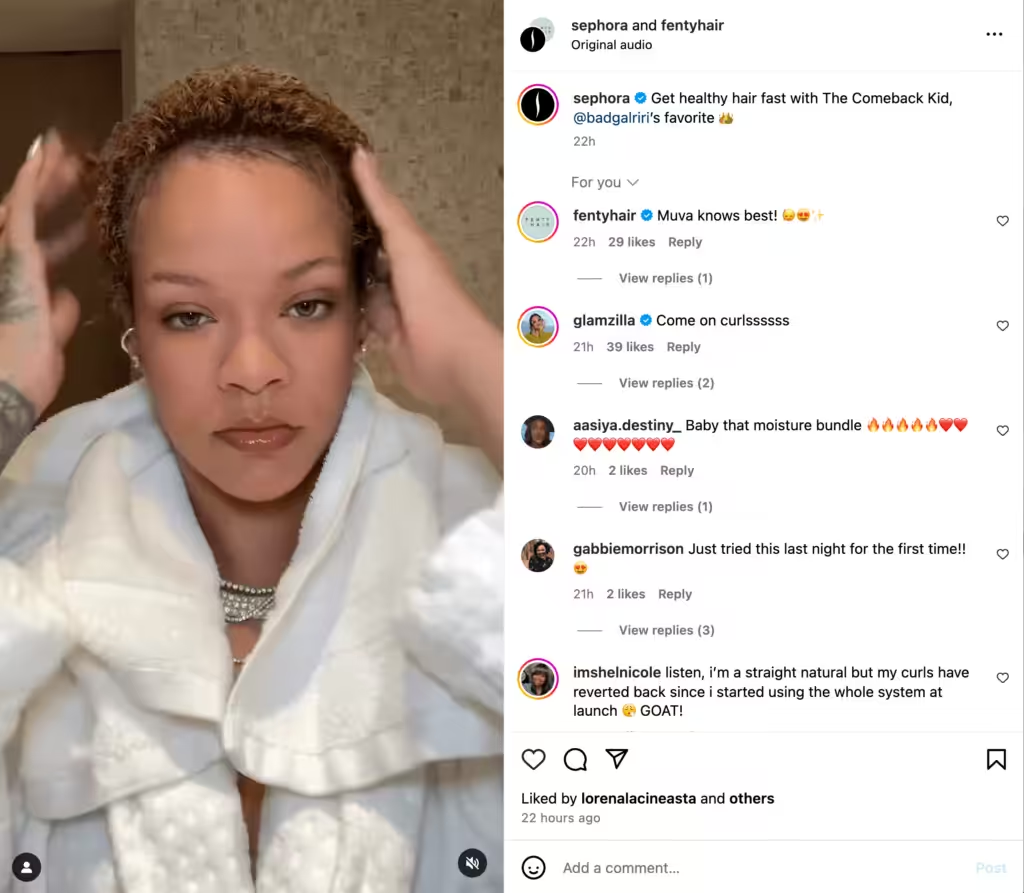
Earned media is any marketing effort that comes from external organisations or individuals without financial incentives from your brand. Think of it as the digital version of word of mouth — it includes social media mentions, influencer endorsements, media coverage, reviews, user-generated content, and organic social media posts by your customers.
Earned media is vital to any digital marketing strategy because it provides the social proof and credibility that paid media and owned media simply can’t manufacture. Some examples include:
- Social media mentions, likes, comments, and shares
- Influencer partnerships and organic influencer endorsements
- Coverage in media outlets and online publications
- Customer reviews and testimonials
- User-generated content and brand advocates speaking up unprompted
- Backlinks, online awards, and public relations mentionss outlets
Benefits of Earned Media
- Increased Credibility: The defining benefit of earned media is trust. Potential customers trust earned media far more than paid advertising or owned content — an external party endorsing your brand carries significantly more weight than anything you say about yourself. This makes it one of the most powerful forms of free media available to brands.
- Increased Visibility: The more external parties mention your brand across digital channels, the greater your brand visibility and reach. Backlinks and website mentions also improve your ranking on search engines, driving organic search traffic and supporting your broader search engine optimization efforts.
- Customer Feedback: Earned media is one of the best ways to gather honest feedback. Through customer reviews and social media mentions, you can identify what’s working and what needs improvement — filling in the gaps your paid and owned media strategies might miss.
Limitations of Earned Media
The biggest challenge with earned media is unpredictability. You have no control over what people say about your brand online, and a single negative review can significantly affect your credibility.
Unlike paid advertising or owned media, earned media can’t be easily scheduled or directed — making it the least controllable of the three, even as it remains the most trusted.nd online.
Comparing Paid Owned and Earned Media
Paid, owned, and earned media differ significantly in cost, control, and impact across the customer journey. Paid media demands the largest budget but delivers the fastest results and the most precise audience targeting.
Owned media is lower cost but struggles with visibility — your content marketing and social media marketing efforts won’t generate results if they’re only reaching people who already know you exist. Earned media is essentially free media, but it comes with the least control and the most unpredictability.
Where paid media excels at top-of-funnel brand awareness and direct traffic generation, owned media is most effective for nurturing leads and deepening customer engagement.
Earned media, meanwhile, provides the social proof that ratifies trust and influences final buying decisions. No single type outperforms the others across every stage of the customer journey — which is exactly why your digital marketing strategy needs all three working together.
Combining Paid Owned and Earned Media for a Successful Digital Marketing Campaign
A successful digital marketing strategy requires a healthy, intentional balance of all three media types. Here’s how they work together in practice:
Start with paid media. Use PPC campaigns, social media advertising, and display advertising to generate direct traffic and increase brand awareness quickly. These paid ads push your brand in front of new audiences and target specific audiences based on key demographics and behavioural data.
Once you’ve driven that traffic, let your owned media do the work of converting interest into intent. Landing pages, blog content, and email marketing help you showcase your expertise, address pain points, engage customers, and give potential customers compelling reasons to choose you over competitors.
Consistent, high-quality content marketing also supports your search engine optimization and organic search performance over the long term.
Then use earned media to close the loop. Strategically place links to customer reviews, testimonials, and user-generated content across your website and landing pages. Build influencer partnerships that generate authentic word of mouth. Encourage brand advocates to share their experiences through organic social media posts.
This is where earned and paid media reinforce each other. Paid social media advertising can amplify earned content, while earned media validates the claims your paid ads and owned media are making.
The key is a cohesive media strategy that treats paid, owned, and earned media not as separate campaigns but as interconnected digital marketing channels, each amplifying the others at different stages of the customer journey.
Get The Digital Marketing Expertise Your Business Needs
Any business looking to thrive in today’s digital landscape must be ready to leverage paid, owned, and earned media effectively. But building an effective strategy across all three isn’t simple. It requires the right expertise, the right tools, and a clear understanding of how each digital marketing channel serves your broader goals.
At Vivian Agency, we specialise in tailored influencer marketing and referral programs for B2C and e-commerce businesses. We help you manage your paid and earned media for maximum results, from influencer partnerships that generate genuine word of mouth, to content strategies that generate leads and build lasting customer engagement.
Want to make your paid, owned, and earned media work harder together? Let’s build you a smarter digital marketing strategy — book a free call with our team today.