
With over 3 billion monthly active users, Facebook is still one of the most powerful social media platforms for connecting brands with audiences. Its niche groups, active pages, and connection-driven communities make it especially effective for companies looking to reach potential customers where they already engage on social media.
At the same time, influencer marketing continues to drive authentic engagement and trust across popular platforms, making Facebook an excellent space for creators and brands to collaborate. Unlike YouTube, Instagram, Twitter, or TikTok, Facebook’s community-first architecture means that influencer content lands inside conversations users are already having, rather than interrupting a content feed.
In this article, I will show you how to find and partner with Facebook influencers to grow your brand’s visibility, authenticity, and long-term success.
Table of Contents
Understanding Facebook Influencer Marketing
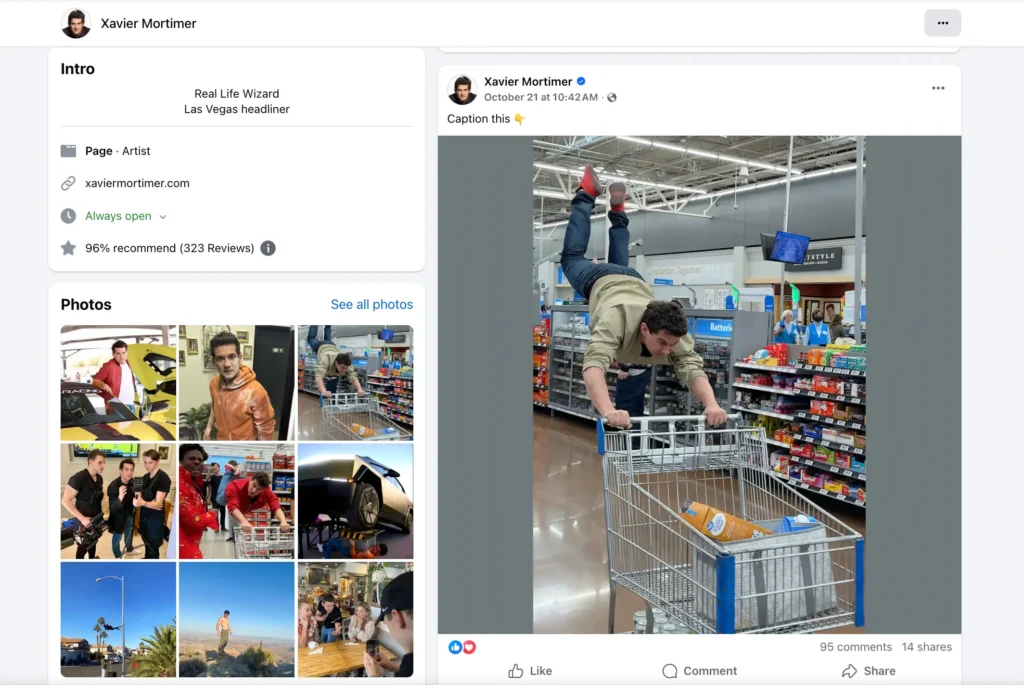
Influencer marketing on Facebook involves collaborating with creators who have established credibility and built strong communities on the platform. These influencers may have a large following or a more focused, mid-sized engaged audience, but what matters most is trust. An influencer with a loyal following of 20,000 followers who genuinely engage with every post will almost always outperform one with millions of passive followers and low interaction.
Facebook influencer marketing is distinct from influencer promotion on Instagram, YouTube, or Twitter because of how the platform is structured. Facebook groups, pages, and events create community spaces where an influencer’s influence compounds over time, rather than fading after a single post.
Why Facebook Still Matters
While Facebook may not be as trending as platforms like TikTok and Instagram among younger users, it remains highly effective for several reasons:
Diverse demographics. Facebook’s social media user base spans multiple age groups, making it an excellent choice for companies targeting adults, families, and professionals. Unlike Instagram or TikTok, which are dominated by younger users, Facebook lets you reach a broader, more varied right audience. For many social media marketing campaigns targeting consumers over 30, Facebook is still the primary platform.
Community-centred platform. Facebook’s strong community culture, especially through groups, makes it ideal for connecting with your target audience. Influencers often use groups to start genuine conversations around the products or services they promote, creating far more engaged audience interaction than a sponsored post on a social media feed.
Built-in ad tools. Meta offers integrated advertising tools that allow brands to track performance, run ads against influencer content, and boost influencer posts for added reach. This advertising infrastructure is more developed than most other social media platforms and gives marketers a significant advantage when amplifying influencer campaigns.
Benefits of Facebook Influencer Marketing
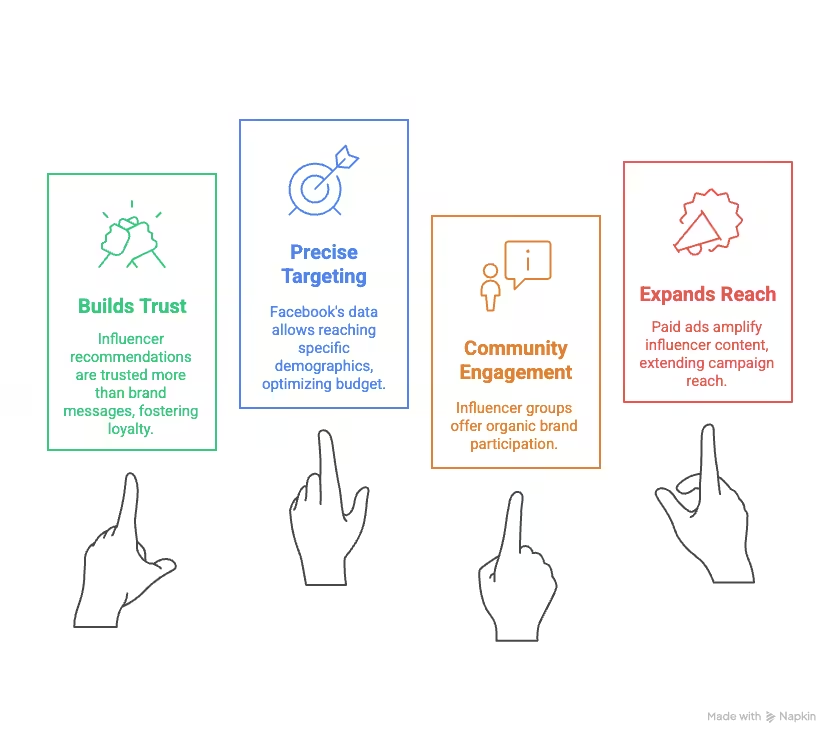
Partnering with Facebook creators offers several key advantages for any social media marketing strategy:
Builds Trust and Authenticity
Consumers are more likely to trust recommendations from influencers they follow than from direct brand messages. Nano- and micro-influencers on Facebook, in particular, often maintain close relationships with followers, driving authentic engagement and long-term brand loyalty. A well-matched influencer with a loyal following and a genuinely engaged audience will build trust for your brand faster than almost any other form of promotion.
Enables Precise Audience Targeting
Facebook’s data-driven targeting allows you to reach social media users by age, interests, and location. Partnering with influencers whose followers align with your brand values helps you reach the right audience while optimising your marketing budget. When you combine an influencer’s organic reach with Facebook’s advertising tools, the targeting precision is difficult to match on other social media platforms.
Strengthens Community Relationships
Influencers often lead Facebook groups centred on shared passions like travel, parenting, or technology. These groups are organic entry points for companies to participate in conversations, discover emerging trends in their niche, and build credibility naturally. A Facebook group with thousands of engaged members is a very different environment from a Twitter or YouTube comment section, and the best Facebook influencers understand how to promote a brand within that culture without breaking it.
Expands Reach Through Paid Amplification
Facebook offers tools for companies to turn influencer content into paid social media ads. This allows you to extend your campaign’s reach using familiar, trusted influencer content as the creative, rather than standard brand advertising. Sponsored posts and sponsored content that already have strong organic engagement from an influencer’s followers tend to perform significantly better as ads than content created purely for promotion purposes.
How to Find the Right Creators for Your Influencer Marketing Campaign
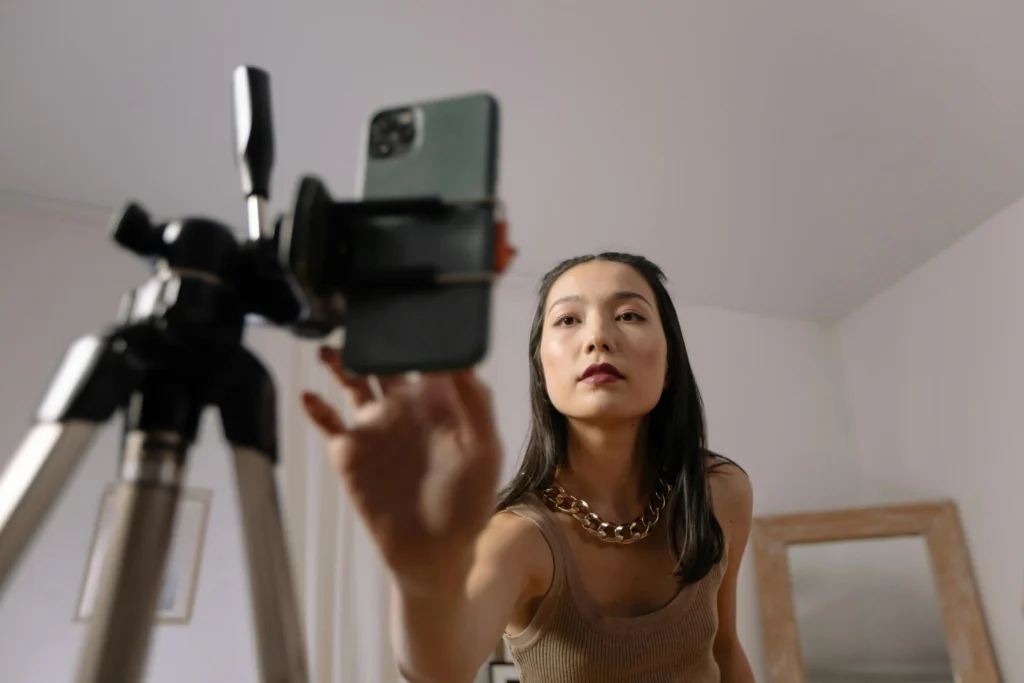
A successful facebook influencer campaign starts with finding the right partners. This framework will help you simplify the process.
1. Define Your Goals
Do you want to boost brand awareness, generate leads, drive sales, or build long-term community trust?
Your social media marketing goals will determine your Facebook influencer strategy and the type of creators you work with. An influencer with a large following and millions of impressions per post suits an awareness campaign. A creator with a smaller but highly engaged audience and a passionate loyal following suits a campaign focused on direct promotion and conversion.
2. Understand Your Target Audience
Once you have established your goals, understand your target audience. Study their social media behaviour: the type of content they engage with, the Facebook groups they join, and the influencers they follow and trust.
Consider age, gender, location, interests, and the problems they are trying to solve. How many followers an influencer has matters less than whether those followers match your ideal customer. With this information, you can discover the right influencers for your own brand’s needs rather than chasing social media metrics that look impressive but do not align with your target audience.
3. Use Facebook’s Search Tools
Search for Facebook influencers using product or niche-specific keywords on the platform, combined with terms like “influencer,” “creator,” or “blogger.” You can also add a location to fine-tune results for local or regional campaigns.
Explore Facebook groups related to your niche. If you offer services to copywriters, searching “copywriting” on the platform will surface Facebook groups and pages centred around that field. The influencers who run or consistently contribute to those groups are often the best partners to create content that will resonate with that community.
4. Check Competitor Collaborations
Look at which influencers your competitors are partnering with by tracking branded hashtags or paid partnership tags on their posts. This helps you discover the creators they work with and uncover others in the same niche. Even if you do not collaborate with those exact creators, following this trail can lead you to new Facebook influencer partnerships and help you understand the influencer strategy that works in your category.
Check their Instagram account and YouTube channel too. Many Facebook influencers operate across multiple social media platforms, and looking at their Instagram stories, YouTube posts, and Twitter activity gives you a fuller picture of how they create content and engage with their audience.
5. Track Brand Mentions and Hashtags
Monitor your brand mentions and hashtags on Facebook to spot creators, or even existing customers, who are already engaging with your page. These organic connections are excellent starting points for authentic influencer promotion because the creator already has experience with your brand and genuine enthusiasm for it.
A site like Brandwatch or a social media listening tool can help you discover these mentions at scale across Facebook and other social media platforms simultaneously.
6. Leverage Influencer Marketing Agencies and Platforms
Influencer marketing platforms make it easier to find creators based on niche, engagement rate, audience insights, and how many followers they have. They save time by giving you the data you need to make informed decisions about which influencer is the ideal influencer for your campaign.
Some agencies go further by managing the entire collaboration. At Vivian Agency, we help brands initiate and manage influencer relationships on Facebook and across other social media platforms, overseeing everything from discovery to campaign analysis so you can focus on your business.
Reaching Out and Building Partnerships
Once you have found the right Facebook influencer for your brand, the next step is to reach out. Here is how to approach it:
Start with a Personalised Message
Successful outreach begins with your first interaction. Before reaching out, research the influencer’s Facebook page, Instagram account, and any other social media platform they are active on. Doing this helps you craft a personalised message that shows genuine interest and builds rapport.
In your message:
- Reference a specific piece of content you found valuable from their page or account
- Explain why you believe their audience would connect with your brand
- Highlight what both sides stand to gain: money, exposure, creative freedom, or a long-term partnership
- End with an open invitation to discuss the collaboration further at their convenience
For ready-to-use outreach templates, see our post on how to reach out to and manage influencer collaborations.
Clearly Communicate Your Goals
Be direct about what you want the collaboration to achieve. The more specific you are about your campaign strategy and expected outcomes, the better the influencer can tailor their content creation to meet your goals. Vague briefs produce generic sponsored content. Specific ones produce quality content that actually promotes your brand.
Offer Genuine Value
Beyond money, think about how you can add value to the influencer. Free products, exclusive event access, early access to new launches, or a long-term ambassador arrangement can strengthen the partnership and motivate the influencer to create content that goes beyond the brief.
Discuss Deliverables and Payment
Define all contract details openly: deliverables, content creation guidelines, usage rights for sponsored posts, and payment terms. Some influencers prefer a flat fee per post, others prefer a commission model. Some want to retain the right to create content in their own voice without restrictions; others are comfortable with more detailed briefs. Settle these details before the campaign begins to avoid complications later.
Prioritise Authenticity and Creative Freedom
Work with influencers who genuinely engage with your products and whose followers trust their recommendations. Authentic enthusiasm from an influencer translates into more engaging content, stronger promotion, and better campaign results than forced sponsored content.
Allow influencers the creative freedom to express your brand message in their own voice. Encourage them to share user-generated content, leverage Facebook Live, and use Instagram Stories if they cross-post. Influencers who feel trusted to create content their way will produce quality content that their engaged audience responds to far better than heavily scripted sponsored posts.
How to Measure Your Campaign Success
Measuring your influencer marketing campaign is essential for understanding what works and building a strategy for future promotion.
Step 1: Set Clear KPIs
Define what success looks like using measurable KPIs. Examples include:
- Post engagement (likes, comments, shares on influencer posts)
- Website traffic from influencer links
- Conversion rate or total sales generated
- Brand mentions and new followers gained
- Reach and impressions across the influencer’s social media platform
These specific metrics help you assess your campaign’s influence and identify areas for improvement.
Step 2: Use Meta’s Built-In Tools
Use Meta Insights, UTM links, and custom discount codes to monitor audience actions and measure campaign performance across Facebook and Instagram.
Meta Insights, available in the Meta Business Suite, provide real-time data on social media performance, audience demographics, and content effectiveness. UTM links help you track where your site visitors are coming from, giving you a clear picture of which influencer’s posts drive the most traffic to your site. Discount codes reveal which creators are directly contributing to sales.
Compare these results with your baseline data to determine the real influence your influencer campaign has had on your brand’s performance.
Step 3: Analyse and Optimise
Use the insights from your data to refine your influencer strategy for future campaigns. Identify which types of influencers fit your brand goals, which content creation approaches generate the strongest engagement, and which social media platform combinations produce the best results.
Over time, this analysis builds a picture of what your ideal influencer partner looks like: how many followers they have, what their engaged audience responds to, what kind of promotion works in your niche, and what budget allocation produces a positive ROI.
Let Vivian Agency Manage Your Facebook Creator Collaborations
Facebook influencer marketing remains one of the most powerful ways to reach and engage diverse audiences. Yet, many brands struggle to fully maximize the opportunities it offers.
That’s where Vivian Agency comes in. Our team of seasoned experts specializes in managing affiliate and influencer relationships, helping brands build authentic, results-driven partnerships on Facebook. We handle the entire process so you can stay focused on growing your business.
Want to learn more? Contact our team today or book an appointment. We’ll be happy to answer all your questions and help you get started.