Affiliate recruitment sounds simple on paper. You launch a program, circulate a signup link, and wait for partners to promote your product.
In reality, what often happens is this: You probably get your first affiliates to sign up, grab a link, and then… nothing. Little to no sales, and not much increase in traffic.
This happens not because affiliate marketing doesn’t work (it totally does!), but because businesses approach recruitment as a numbers game instead of a relationship-driven process.
The truth is, good affiliates have options. They’re selective about the brands they work with, the products they promote, and the effort they put in. Therefore, there are a few steps to consider when thinking about how to recruit affiliates. If you make an unclear offer, your program feels half-baked, or you have generic outreach, chances are you won’t land the right partners.
Table of Contents
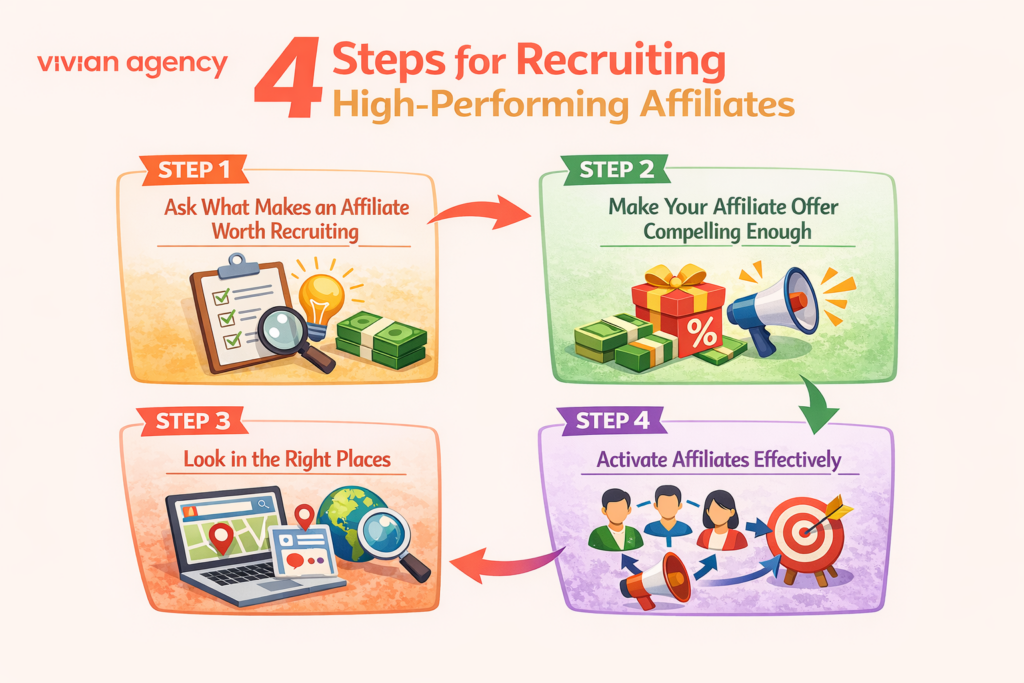
4 Steps for Recruiting High-Performing Affiliates
If affiliate recruitment isn’t about signing up any and everybody, what does it actually look like when done well?
In our experience, the most effective programs follow a clear, repeatable process.
We’ve broken this down into four steps that outline how to consistently attract and engage affiliates who are a good fit for your brand.
Step 1: Ask What Makes an Affiliate Worth Recruiting
Most affiliate programs struggle because brands chase volume instead of fit, resulting in a long list of affiliates who never drive a single sale for you. To avoid this, the first step is to get clear on who you should actually be trying to recruit.
A strong affiliate candidate will check these four criteria:
1. Their Audience Matches Your Customer
This matters more than anything else. The right affiliate already speaks to the target audience you want to sell to. They don’t need to have a massive following. They should have an audience that trusts them in the context of your product category.
Ask the following questions:
- Do they already talk about similar products or problems?
- Are their followers asking purchase-/product-related questions in the comments?
- Does their content naturally lead to a recommendation?
2. They Already Influence Buying Decisions
Not all creators are ideal affiliate marketing partners. Some are great at entertainment or awareness, but don’t really guide their audience towards making a decision or purchase.
To find the right affiliates, look for signs like:
- Product reviews, comparisons, or tutorials
- Past brand partnerships where they’ve given clear calls to action
- Content that breaks down why a product is useful/what pain points it solves
If a creator never recommends tools, products, or services, affiliate marketing may not be a natural fit for them.
3. Their Recommendations Feel Credible
Affiliate marketing depends on trust. Steer clear of creators who are eager to take on any campaign or promote every product under the sun.
Ask yourself:
- Do they promote a small, consistent set of products?
- Are they selective about partnerships?
- Does their content feel honest and not overly scripted or salesy?
If they’re honest and selective in their promotion, they will naturally convert a lot more viewers.

4. They Show Potential for Long-Term Partnerships
Your ideal affiliate relationship is a long-term partnership that doesn’t end with a one-time promotion. Here are some things that indicate long-term potential:
- Willingness to test your product before promoting it
- Interest in performance-based incentives or ongoing campaigns
- Asking thoughtful questions about your audience or products
Step 2: Make Your Affiliate Offer Compelling Enough
Before you reach out to affiliates, scan your offer from their point of view. Here are the three things you should look at:
1. Clear and Competitive Commissions
Affiliates will want to understand how they get paid without having to dig through your offer. This means you should always include:
- A commission rate that makes sense for your product price and category
- Clear payout terms (how often, minimum thresholds, and how long it takes)
You don’t necessarily need to offer the highest commission. But you do need one that feels fair for the effort required to promote your product.
2. A Program that’s Easy to Understand
If an affiliate can’t quickly understand how your program works, they’ll very likely move on.
When skimming through your offer, they should be able to answer the following questions:
- What do I earn per sale?
- How do I join?
- How is tracking handled?
- What support or resources are available?
The easier these are to answer, the more interested the reader will be in your program.
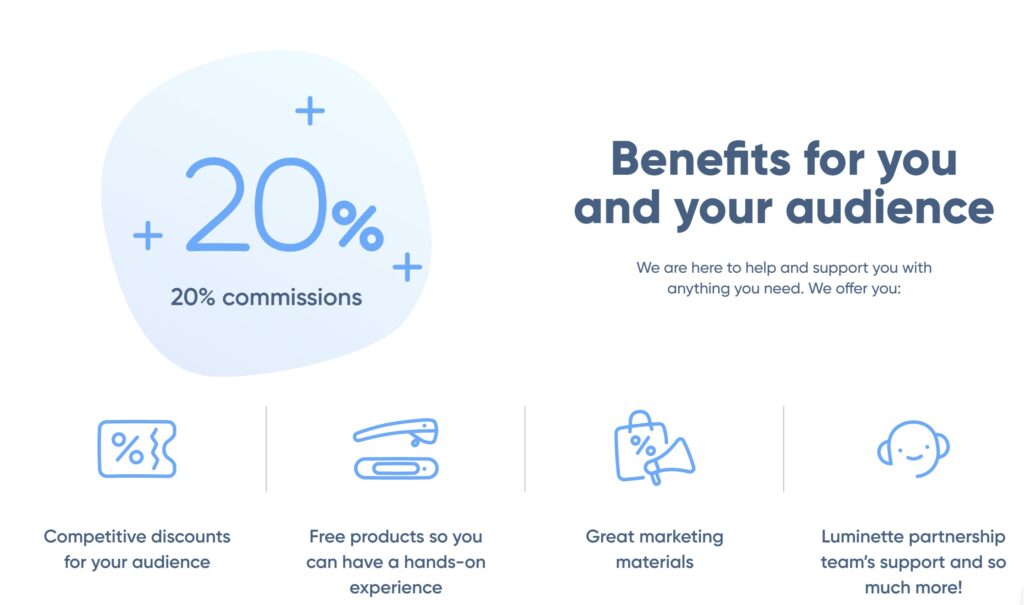
3. Does Your Program Feel Legitimate?
Affiliates have had one or two bad experiences with programs that don’t convert or don’t pay on time. You want to ensure your program looks legitimate at first glance.
Make sure you have real contact information or a named program owner, clear tracking and payout explanations, and evidence that other affiliates are already promoting your product.
Step 3: Look in the Right Places
High-quality affiliates don’t stumble onto your offers by accident. You’ll have to go searching for them intentionally. Here are five strategies to help you reach affiliates that will fit into your campaign:
1. Start with People Who Already Know Your Product
Your existing customer base is often a good source for affiliates. These are people who understand what you sell, why it’s useful, and who it’s for. Within this group, you can reach out to customers who:
- Are repeat buyers or long-term users
- Leave detailed reviews or testimonials
- Mention your product organically on social media
These affiliates convert well because their promotions are based on real experiences with your products and business.
2. Look for Creators in Your Category
Search for creators who are already promoting within your market. This includes:
- Bloggers writing comparisons or “best tools for” posts
- YouTube influencers posting tutorials or walkthroughs
- TikTok or Instagram creators explaining problems your product solves
Whoever you find through these areas, you’ll have the assurance that your affiliate campaigns fit naturally into their content.
3. Use Competitor Research as a Shortcut
Researching affiliates that are promoting your competitors can also be a good start. These are creators who have already decided affiliate marketing works in your space, and likely have a responsive audience that you can take advantage of, too.
You can find them by:
- Searching “[competitor name] affiliate” or “[category] affiliate program”
- Looking at review posts or listicles that include competing products
- Checking backlink profiles of competitor comparison pages
These affiliates already understand the audience and your market. Your goal is to show why your program is worth adding, or perhaps switching to.
4. Don’t Ignore Niche Communities
Some of the best affiliates aren’t influencers. They’re active members of niche communities where customers make real buying decisions.
This might include:
- Industry-specific Slack or Discord groups
- Subreddits or Facebook groups tied to your niche
- Newsletter writers or podcast hosts with a focused audience
These affiliates may have smaller audiences, but they help you reach exactly the demographic you need, and often have higher trust with their readership.
5. Leave Room for Passive Discovery
While you should always take initiative by searching for affiliates, it doesn’t hurt to let them find you. You can do this by having a visible affiliate page on your site and listing your program in relevant affiliate directories or roundups. You could also mention the program in customer emails or post-purchase flows.
Step 4: Activate Affiliates Effectively
Once you’ve identified the right affiliates, your goal is to make it easy for them to say yes and start promoting.
This comes down to a few things:
- Reach out with context and purpose. Reference something specific they’ve created and explain why your product fits their audience.
- Be clear about the next step. Share a direct signup link, and briefly explain what happens after they join your program.
- Make it easy for them to get started. Suggest a potential first angle, product, or use case instead of leaving affiliates to figure it out alone.
- Keep track of early performance. If someone joins but hasn’t started promoting yet, reaching out with a short check-in can be a good idea.
Put the Affiliate Recruitment Playbook into Practice with Vivian Agency
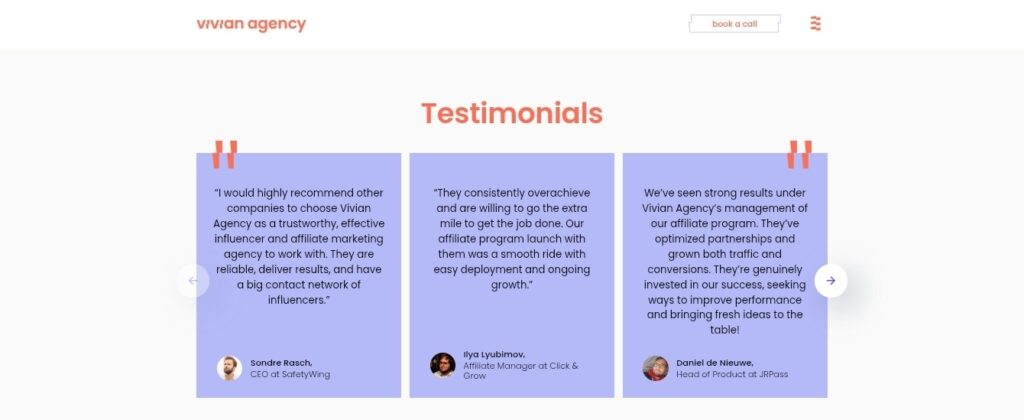
You now know that how to recruit affiliates is about being selective, reaching out with intent, and giving affiliates enough clarity and support to successfully promote your product. It’s something many teams struggle to do consistently. That’s where we can help.
At Vivian Agency, we help brands handle the recruitment, outreach, and early activation side of affiliate marketing. We focus on matching you with affiliates who make sense for your products, and help those partnerships turn into real traction and revenue.
If you’d like help applying this playbook to your own program, we’d be happy to talk. Book a call with our team or send us a message. We’ll walk you through what affiliate recruitment could look like for your brand.