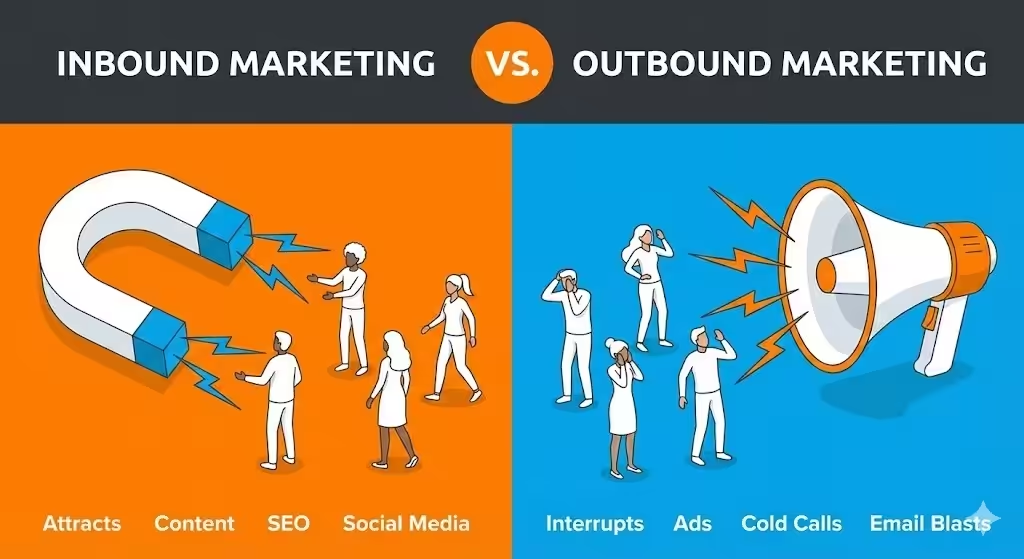
Running an eCommerce brand requires choosing how attention comes to you. And attention, more than products, is what drives sustainable growth.
Think of attention like fishing. You can either build a pond where fish naturally gather over time, or go into the ocean and cast a net to catch some immediately. This is the clearest way to visualize inbound vs outbound marketing, and these two methods briefly explain the difference between inbound and outbound approaches to growing a brand.
Think of attention like fishing. You can either build a pond where fish naturally gather over time, or go into the ocean and cast a net to catch some immediately. These two methods briefly explain the difference between inbound and outbound marketing.
While inbound attracts customers, outbound pushes your message to the audience. When you understand both clearly, you stop guessing and start building a strategy that balances fast revenue with long-term brand equity.
Table of Contents
At a Glance: Inbound vs Outbound Marketing for E-Commerce Brands
| Factor | Inbound Marketing (Attraction-Based) | Outbound Marketing (Push-Based) |
| Core Approach | Customers discover you | You actively reach customers |
| Speed of Results | Slow at the beginning | Immediate traffic and visibility |
| Cost Structure | Lower ad spend, higher time investment | Higher ad spend, faster execution |
| Trust Level | Builds trust gradually through value | Relies on persuasion and interruption |
| Sustainability | Compounds over time | Stops when you stop paying |
| Scalability | Slower but steady growth | Rapid scaling if campaigns are profitable |
| Examples in Ecom | SEO blogs, organic social, email flows | Facebook ads, Google Shopping, influencer ads |
| Risk Level | Lower financial risk, slower payoff | Higher financial risk, faster payoff |
| Long-Term Impact | Builds brand authority and assets | Drives quick sales and cash flow |
Have questions about partnering with a reliable marketing agency? Let’s talk and find the best fit for your goals.
Inbound Marketing (They Find You)
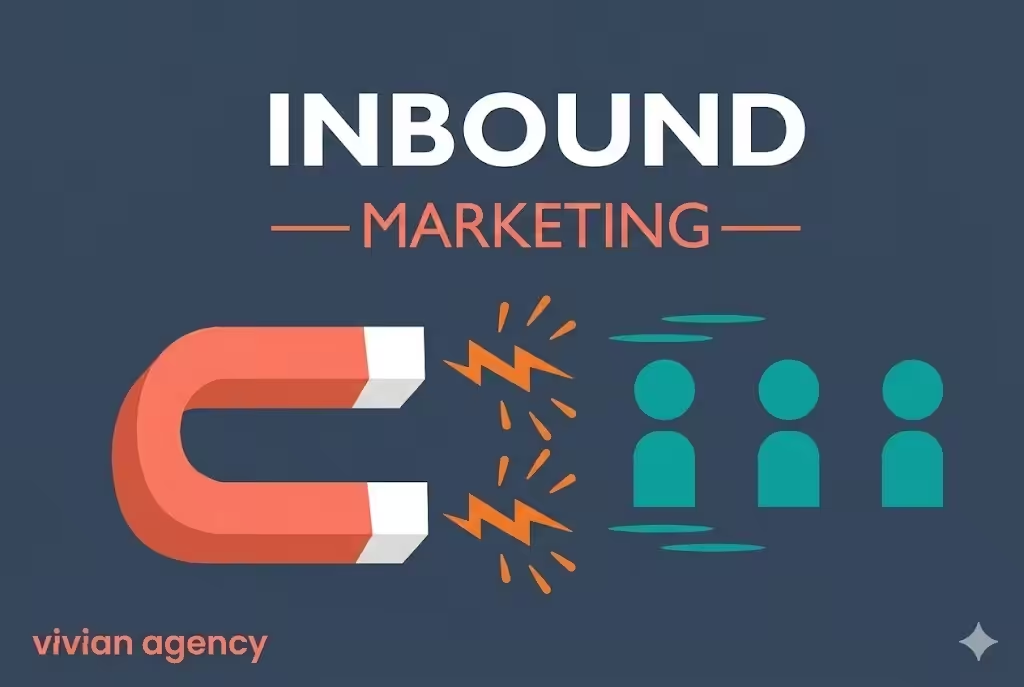
Inbound marketing is a marketing strategy built on creating value before asking for anything in return. Instead of interrupting potential customers, inbound marketing attracts customers by meeting them where they already are: searching for answers, watching tutorials, or scrolling through content that speaks to their problems.
The core idea behind inbound marketing focuses on relevance. When your content matches what prospective customers are already looking for, trust builds naturally, and conversions follow. Many growth-focused agencies, including Webcazador Digital Solutions, use inbound marketing strategies to help eCommerce brands build long-term visibility, organic traffic, and customer trust through content-driven campaigns.
A well-executed inbound marketing strategy takes time to gain momentum, but it creates compounding returns. Unlike outbound marketing, which stops the moment your budget runs out, inbound marketing efforts continue generating traffic, leads, and sales long after the initial work is done.
How It Works for eCommerce Brands
- SEO-Optimized Blog Posts: You write articles to rank on Google when people search for problems related to your product. This positions your store where buyers are already looking. If you’re building a skincare brand, for example, ranking for “how to treat hyperpigmentation” can bring traffic for years.
- Organic Instagram, TikTok, Pinterest Content: This is unpaid social media marketing designed to attract attention naturally. You educate, entertain, or inspire so people follow you and eventually buy. Organic social is one of the most accessible inbound tactics for early-stage brands because it requires creativity over capital.
- YouTube Tutorials or Product Demos: These videos show how your product works or solves a problem. They build trust because potential customers can see value before spending money. Video is one of the highest-performing inbound marketing tactics for driving both traffic and conversion.
- Email Newsletters and Automated Flows: Newsletters keep your audience engaged, while automated flows, like welcome emails or abandoned cart sequences, nurture and convert customers without constant manual effort.
- Lead Magnets: Effective lead magnets are incentives you offer in exchange for contact information. A discount code, checklist, or free guide turns casual visitors into leads you can market to later.
Outbound Marketing (You Find Them)
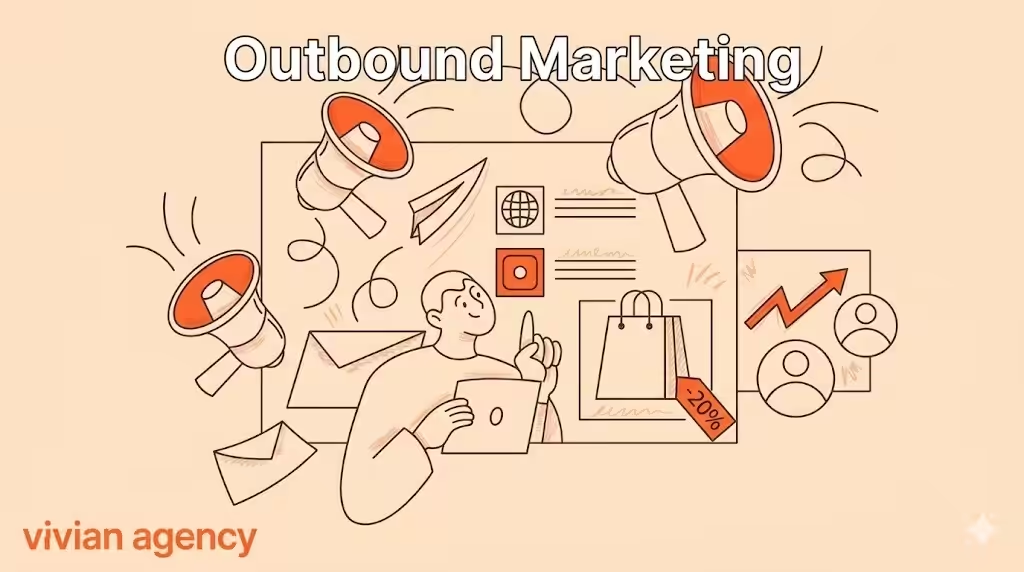
Outbound marketing, sometimes called push marketing, puts your message in front of potential customers before they come looking for you. It’s interruptive by nature, but when executed with precision, outbound marketing can drive immediate revenue and rapid growth. The key is knowing your numbers and targeting the right audience.
Outbound marketing strategies work best when paired with strong creative, a clear offer, and a well-defined target audience. Without those foundations, outbound marketing efforts become expensive and inefficient.
How It Works for eCommerce Brands
- Facebook and Instagram Ads: Run targeted ads to specific audiences based on interests, behavior, or past website visits. This allows you to generate immediate traffic and scale winning products quickly. This remains one of the most widely used outbound marketing strategies for direct-to-consumer brands.
- Google Shopping Ads: List your products directly in Google search results when people search with buying intent. This captures potential customers who are already ready to compare and purchase. It’s one of the most conversion-focused outbound marketing methods available because it intercepts buyers at the point of decision.
- Influencer Sponsorship: Partner with creators whose audience matches your ideal customer. They showcase your product to their followers, helping you build trust and drive quick sales. Influencer sponsorship sits at an interesting intersection of outbound and inbound marketing, since the content itself can live organically while the placement is paid.
- Cold Email Campaigns: Reach out directly to potential wholesale buyers, partners, or even niche customer lists. This works especially well for B2B eCommerce or high-ticket products. Cold email is one of the more underrated outbound marketing strategies because, when personalized well, it can achieve strong response rates at a low cost.
- Direct Mail: Direct mail is one of the most overlooked outbound marketing methods in the digital age, yet it consistently outperforms digital channels in response rates for certain audiences. Direct mail campaigns work particularly well for high-ticket products, local markets, and brands targeting older demographics who respond better to physical touchpoints.
- Display Advertising: Show banner ads across websites your target audience visits. This increases your brand visibility.
Frequently Asked Questions
1. Which Method Should You Focus On First if You Have a Limited Budget?
If cash is tight, start with inbound marketing. Organic content and email building cost more time than money and create long-term assets. Once revenue becomes predictable, you can then include outbound strategies.
2. How Long Does Inbound Marketing Take Before You See Real Results?
Typically, 3-6 months for noticeable traction, sometimes longer. It all lies in your strategy.
3. Can Outbound Marketing Be Profitable Without Strong Brand Authority?
Yes, but it’s harder. Without trust, conversion rates drop, and ad costs rise. Strong branding makes outbound marketing significantly more efficient.
4. How Do You Balance Paid Ads with Organic Growth?
Use ads for immediate traffic and cash flow, while consistently investing in content and emails. One drives speed, the other builds stability.
5. When Should You Scale Outbound Campaigns Aggressively?
Only after you validate product-market fit and your numbers work. If your margins are solid, scaling is no longer risky but strategic.
Inbound and Outbound Marketing: Final Thoughts
Outbound marketing delivers fast wins. Inbound marketing builds lasting assets. The most effective marketing strategy for eCommerce brands is not inbound or outbound marketing in isolation, but a system where outbound marketing and inbound traffic work together, each channel reinforcing the other.
Outbound marketing increases inbound awareness by driving reach, while inbound and outbound marketing together create a full-funnel system that attracts, converts, and retains customers at every stage.
This is why smart eCommerce brands take a balanced approach that combines both: affiliate marketing. Affiliates actively promote your products (outbound marketing), but they do so through trusted content platforms and communities (inbound marketing).
It’s one of the few channels that blends outbound marketing strategies with inbound marketing tactics into a single, scalable growth engine.
Want to see how your affiliate program could reach new heights? Schedule a quick chat with us.